
Savannah is the South's most hospitable open secret — a city that figured out how to hold its contradictions in public without apologizing for any of them.
Savannah is the South's most hospitable open secret — a city that figured out how to hold its contradictions in public without apologizing for any of them. This is a Deep South city in a state that hasn't passed statewide LGBTQ+ non-discrimination protections, and yet it's also a city where you can walk the 22 squares at dusk with a plastic cup of bourbon and a husband's hand in yours and nobody will look up from their own conversation. That's not an accident. That's the SCAD effect meeting old Southern manners meeting the long shadow of The Book, and the result is one of the most quietly comfortable cities in the American South for same-sex couples. My Traven-Dex of 7.7 says so in numbers; the live-oak canopy filtering the streetlight on Bull Street at 9pm says it better.
Start at Forsyth Park on a Saturday morning. The 1858 cast-iron fountain is the postcard, but the 30 acres around it are the actual point — dog walkers, SCAD kids sketching, couples reading on blankets, vendors setting up the farmers market, and no one performing anything for anyone. Walk ten minutes south into Thomas Square and you're in Savannah's primary LGBTQ+ residential neighborhood, which announces itself by not announcing itself: shotgun houses mid-renovation, independent galleries, and Sentient Bean at 13 East Park Avenue functioning as the community's daytime living room. I gave it an 8.0 on Scene, and the Congress Street corridor from Club One Jefferson out past Pinkie Masters and Artillery is the evidence — a walkable late-night cluster anchored by a nightclub that's held the community together since 1990 and where Lady Chablis performed for roughly two decades.
The contradictions are real and worth naming. Georgia's state law as of 2026 still doesn't offer LGBTQ+ non-discrimination protections in employment, housing, or public accommodations, and trans travelers in particular should know the state political environment is what it is. But Chatham County votes noticeably more progressive than the rural counties that surround it, and the city itself has been quietly navigating complicated identities since Midnight in the Garden of Good and Evil put Jim Williams and Lady Chablis on the national stage in 1994. You don't need the book to enjoy Savannah — but you'll get twice the city if you read it before you come.
Then there's the food, which is having a moment that isn't showing signs of ending. The Grey — Mashama Bailey's Port City Southern cooking inside a restored 1938 Art Deco Greyhound bus terminal — is the single best meal in the South right now, and I will fight anyone who disagrees. Book it weeks ahead, order the oysters, and stay for the last course. Elizabeth on 37th has been turning out regional Southern cooking since 1981. Zunzi's is thirty years of a South African-Swiss takeout counter doing a chicken sandwich that deserves its Food Network coverage. This is a city that rewards attention — pay it, and it pays you back.
The stuff your travel guide buries on page 47
Same-sex marriage is legal across the United States as of 2026, and Georgia recognizes it without caveat — you can marry at the Chatham County courthouse tomorrow if the mood strikes. Joint and second-parent adoption by same-sex couples is legal statewide. That's the good news.
The less-good news: Georgia has no statewide law prohibiting discrimination based on sexual orientation or gender identity in employment, housing, or public accommodations. Savannah's city government has adopted a non-discrimination ordinance covering municipal employees, but the statewide gap is real. For legal questions, Lambda Legal is the resource to know, and the Human Rights Campaign tracks the state-level picture in real time.
For trans travelers, Georgia law as of 2026 requires medical documentation to change gender markers on state ID, and the state has enacted restrictions on gender-affirming care for minors and trans participation in school sports. None of this typically affects adult travelers passing through, but it shapes the political climate you're entering. PFLAG Savannah and First City Network — Savannah's LGBTQ+ community center — are the local touchpoints if you want current ground-level intel before you arrive.
On the ground, Chatham County votes noticeably more progressive than surrounding rural Georgia, and the city itself runs on a mix of old Southern hospitality and SCAD-fueled creative energy that together produce something genuinely welcoming. Pro tip: Savannah's open-container law lets you walk the squares with a plastic to-go cup of whatever you're drinking — it's fully legal in the historic district and basically mandatory. Get one within the first hour of arriving.
And read The Book — Berendt's Midnight in the Garden of Good and Evil — before you come. It's Savannah's Rosetta Stone for how queerness, old money, and Southern Gothic have always been braided together here. Every square will suddenly have a story.
What it actually feels like on the ground
Holding hands in the Historic District and Thomas Square: Comfortable. Around Forsyth Park, along Broughton Street, and near Club One Jefferson, same-sex PDA is unremarkable. The city's gay residents have claimed this ground openly for decades and it shows.
Hotel check-in: Smooth at essentially every property in this guide. The Historic Inns of Savannah group, Marriott-affiliated hotels, and the independent Thunderbird Inn all have track records of welcoming same-sex couples without a beat of hesitation. A reader reported zero awkwardness checking in as a same-sex couple at The Marshall House on Broughton Street.
Rideshare and taxis: Generally fine in the tourist core. Uber and Lyft operate throughout the city; drivers are accustomed to the SCAD crowd. Use the app rather than flagging anything on River Street after midnight, where the bachelorette-party saturation makes curbside chaos the default.
Beaches (Tybee Island): Comfortable. Tybee runs noticeably more liberal than the Georgia interior, and same-sex couples sunbathing and holding hands on the beach are routine, especially in summer. No designated gay beach, but no issue taking up space.
Late night on Congress Street: Fine. The corridor anchored by Club One Jefferson, Congress Street Social Club, Pinkie Masters, and Artillery is the safest late-night stretch in the city for LGBTQ+ travelers. Pro tip: River Street on a Saturday night fills with bachelorette parties to the point of performance art — not unsafe, just relentlessly heterosexual. Club One is a five-minute walk and functions as a perfect reset.
Residential neighborhoods and outer areas: Situational awareness advised. Beyond the historic core and Thomas Square, you're in Deep South Georgia, and the cultural temperature shifts. Nothing alarmist, just read the room the way you would anywhere in rural Georgia. For 24-hour emergency care, St. Joseph's/Candler Health System is the main hospital network. For HIV services and sexual health resources in the region, AID Atlanta coordinates statewide, and Georgia Department of Public Health lists local testing sites.
Trans travelers: Savannah is materially more welcoming than most of Georgia — SCAD's presence has fostered a visibly trans-inclusive campus and arts culture — but the state political environment is what it is in 2026. Bathroom access in tourist-zone venues has been observed as consistently uneventful; outer neighborhoods warrant more discretion. GLSEN tracks the broader Georgia school and youth climate if you're traveling with kids.
Verbal harassment: Rare in the historic core. Occasionally reported on River Street amid the bachelorette-party swell, typically drunk nonsense rather than targeted hostility.
The queer geography
Thomas Square
Just south of Forsyth Park, Thomas Square is where Savannah actually lives — not where it performs for tourists. The streets here are lined with shotgun houses and Victorian cottages in various states of beautiful renovation, punctuated by independent coffee shops, galleries, and record stores. It's walkable, leafy, and unpretentious in a way the Historic District sometimes isn't.
This is Savannah's primary LGBTQ+ residential neighborhood — the coffee shops and bulletin boards reflect it without announcing it. Sentient Bean at 13 East Park Avenue, right at the edge of Forsyth, has been the community's daytime living room for years: excellent coffee, a socially engaged crowd, and a bulletin board that will tell you more about what's actually happening in this city than any tourism app. Stop by First City Network online before you come — it's Savannah's LGBTQ+ community hub for events, support, and connections.
Historic District & City Market
The Historic District is the postcard Savannah — 22 squares connected by a live-oak canopy so dense it filters the sunlight into something almost cinematic. Cast-iron balconies, Spanish moss, horse-drawn carriages that somehow don't feel like a cliché. You can walk from Forsyth Park to the river in 25 minutes and pass through a dozen distinct moments of architecture and street life.
The LGBTQ+ center of gravity sits on Congress Street. Club One Jefferson at 1 Jefferson Street has anchored the scene since 1990 — Lady Chablis performed here for roughly two decades, and the drag shows have maintained that bar with serious intention. Congress Street Social Club, Pinkie Masters (cash only, established 1953, once hosted a Jimmy Carter fundraiser), and Artillery round out a walkable late-night cluster. For visitor logistics and event calendars, Visit Savannah is the official tourism resource.
Victorian District
Between Thomas Square and the Historic District, the Victorian District is a quieter residential neighborhood of painstakingly preserved 19th-century houses in the pastels and jewel tones the era loved. The streets are wider, the pace slower, and the architecture some of the most photographed in the Southeast.
It's home to Elizabeth on 37th, where Elizabeth Terry won a James Beard Award in 1995 cooking the kind of regional Southern food that put Savannah on the national dining map. The neighborhood has a quietly gay-friendly residential character and sits five minutes from Forsyth Park — the informal heart of Savannah Pride every October. For chapter-level family and parent resources, PFLAG Savannah runs programming out of this broader neighborhood.
Starland District
Further south, the Starland District is where the SCAD effect is most visible — a cluster of converted warehouses, mural-covered walls, independent bars, and food-and-beverage venues along Bull Street that would feel at home in Austin or Richmond. The Wormhole, a neighborhood bar with a high concentration of art-school regulars, is the kind of room where you'll end up in a three-hour conversation with a stranger. Come for the murals and the food trucks; stay because the pace here is what Savannah feels like when it isn't performing for the tour buses.
The experiences worth rearranging your itinerary for
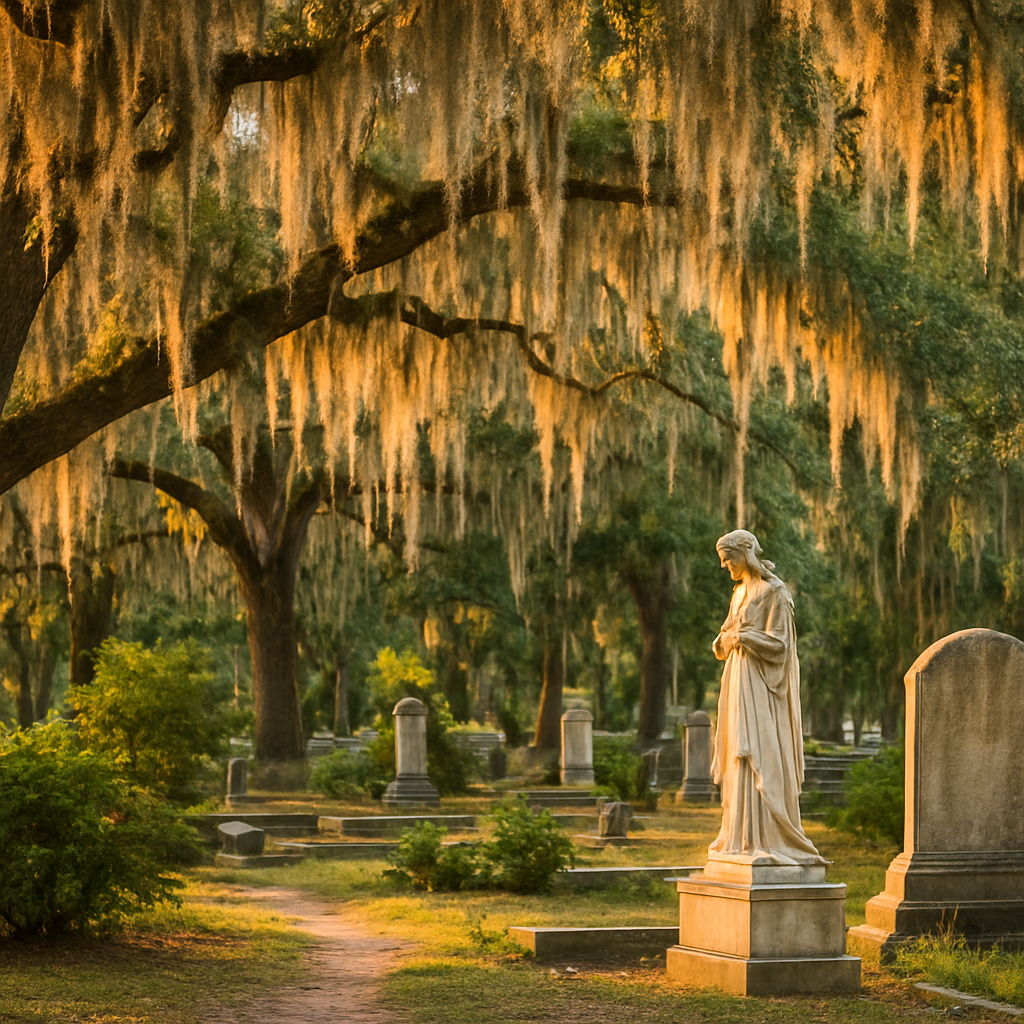
A Morning Walk Through Bonaventure Cemetery
Drive the 15 minutes out to Bonaventure Cemetery early — ideally before 9am, when the light filters through the Spanish moss and the tourists haven't arrived yet. It's 160 acres of Victorian funerary sculpture along the Wilmington River, and it is genuinely one of the most atmospheric walks you'll take in the American South. Bring a coffee, wear real shoes, and give yourself two hours.
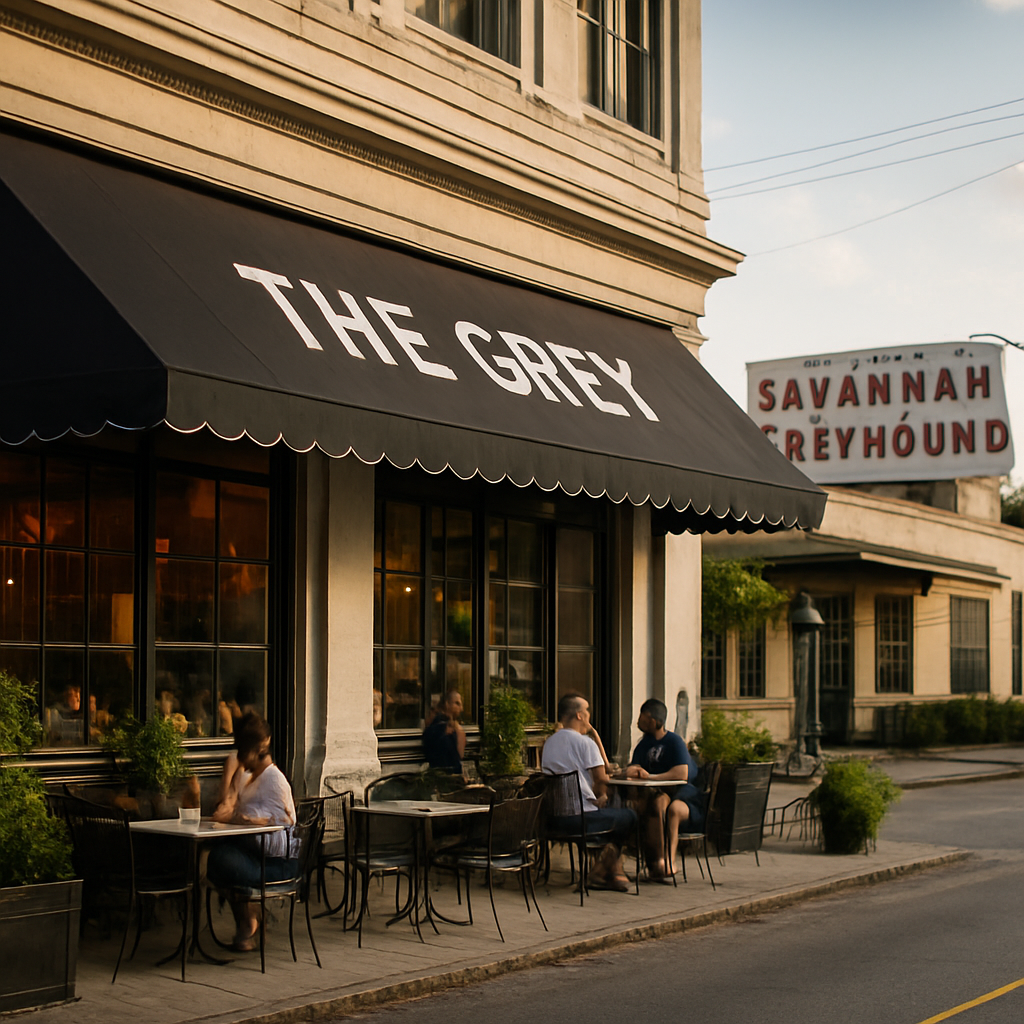
Dinner at The Grey
Book The Grey weeks ahead and go hungry. Mashama Bailey's James Beard-winning Port City Southern cooking inside a restored 1938 Art Deco Greyhound bus terminal is the single best meal in the city — layered, regional, and served in a room that makes you feel the history without beating you over the head with it. Order the oysters, trust the menu, and linger.
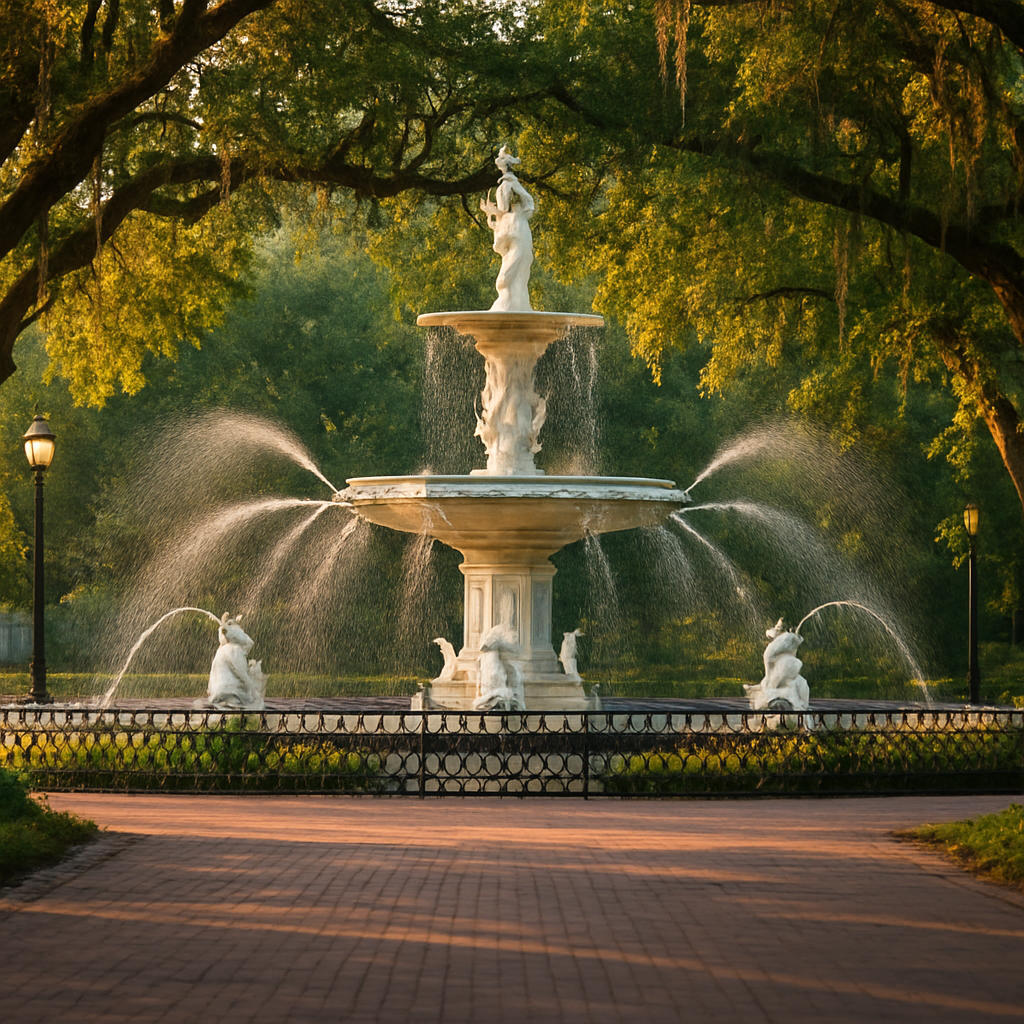
A Weekend Morning at Forsyth Park
Walk the 30 acres of Forsyth Park on a Saturday morning with a coffee from Sentient Bean. The 1858 cast-iron fountain is the postcard shot, but the real experience is watching the city use its living room — dog walkers, SCAD students sketching, couples reading on blankets, vendors setting up the farmers market. It's Savannah at its most genuinely itself.
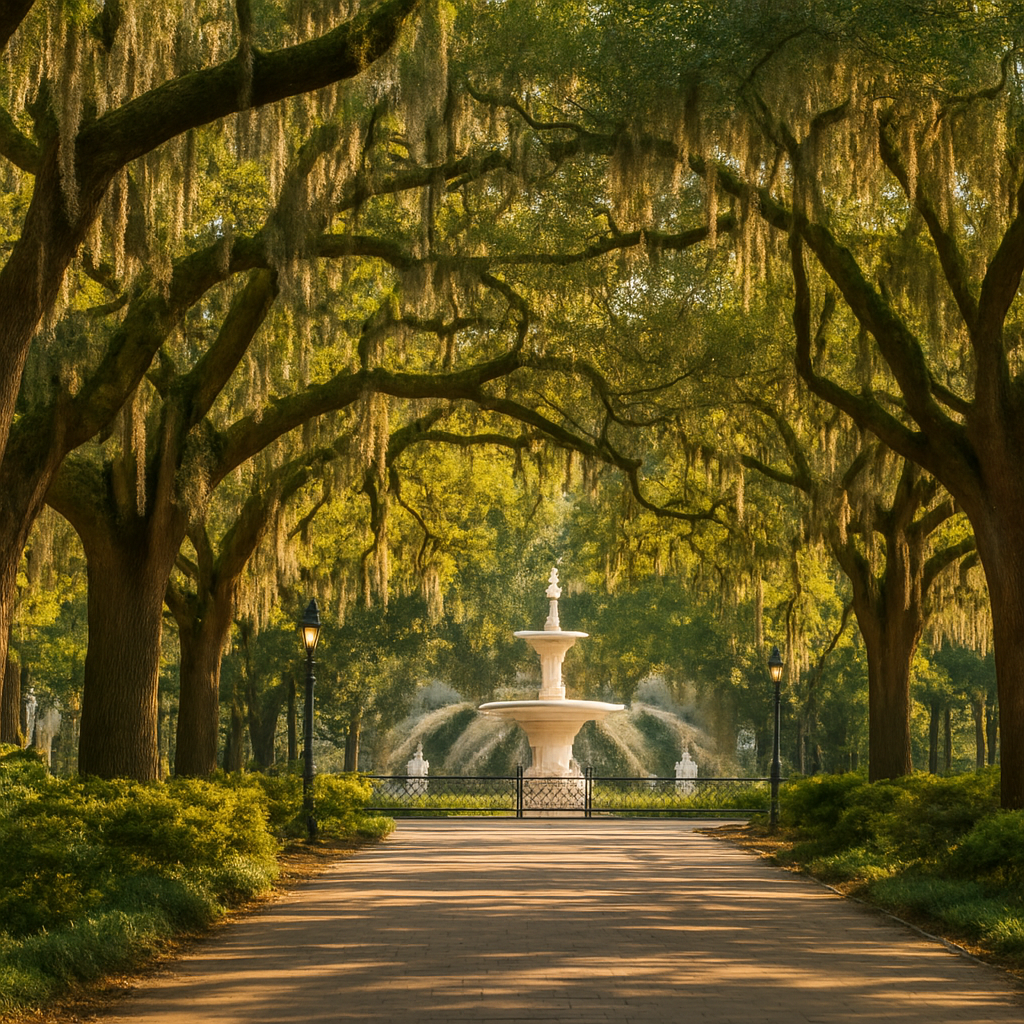
Walk the Squares to the Riverfront
With a to-go cup in hand — yes, it's legal, yes, do it — walk from Forsyth Park north through the 22 historic squares to the river. Each square is its own small neighborhood with monuments, benches, and the live-oak canopy overhead. End at Factor's Walk, the iron-bridged walkway above the old cotton warehouses on River Street, and watch the container ships slide past.
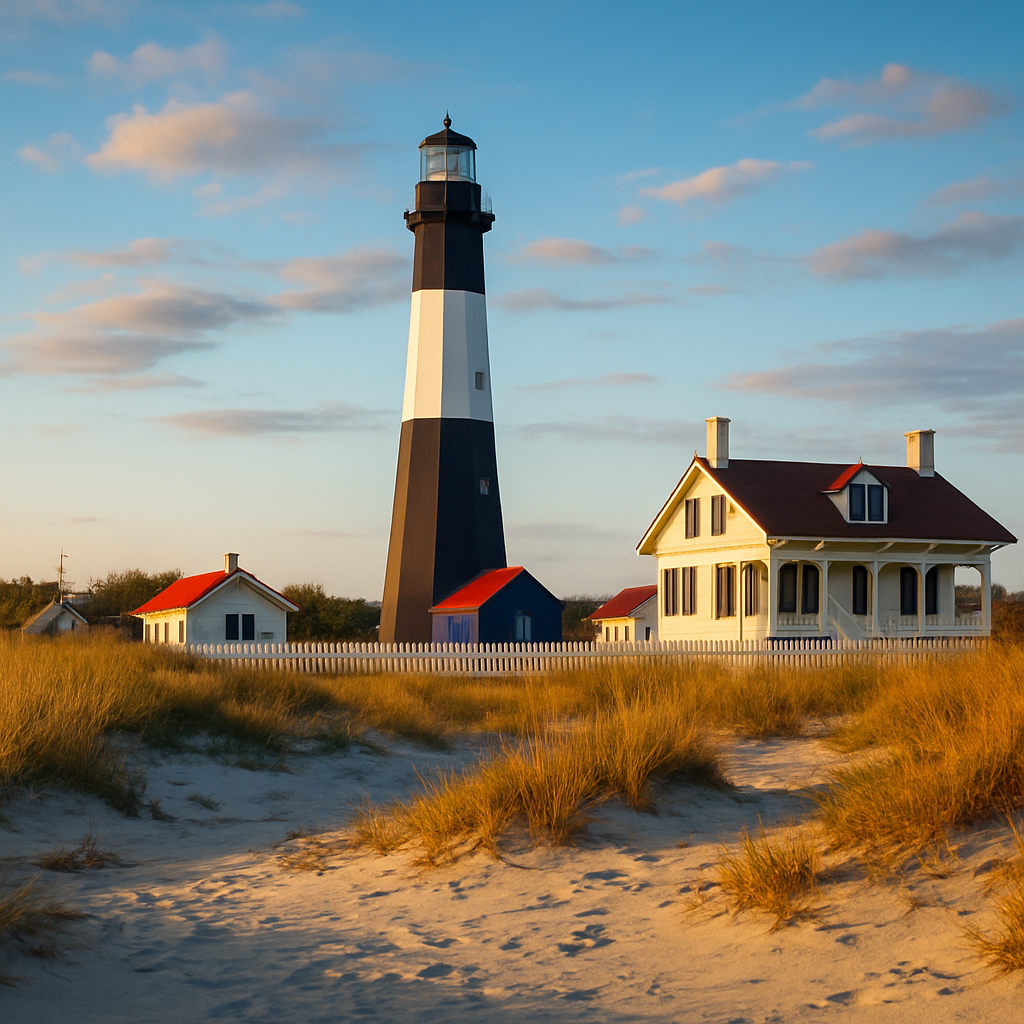
A Beach Day on Tybee Island
Drive 18 miles east on US-80 to Tybee Island. The Tybee Island Light Station has been operational since 1736 — climb it for the view — then spend the afternoon on the beach, which runs noticeably more liberal than the Georgia interior. Eat shrimp somewhere with a screened porch, and drive back in time for cocktails.
The places I actually send people to
Advice that fits how you travel
Savannah is one of the easier American cities to do alone. The historic district is built for walking, the open-container law means you've always got a reason to slow down and start a conversation, and the SCAD effect means the crowd at any given coffee shop or bar skews toward people who moved here from somewhere else and are actively interested in meeting people. My first recommendation for solo travelers is Thomas Square — Sentient Bean at 13 East Park Avenue is the community's daytime living room, and showing up alone with a coffee and no particular plan is not only comfortable, it's basically the correct way to spend a morning there.
The apps work in Savannah — not as deep a pool as Atlanta, but deeper than you'd expect for a city this size, and the city is compact enough that a 20-minute walk closes most gaps. Club One Jefferson and Congress Street Social Club are both genuinely solo-friendly venues; single travelers are the norm at both, and the drag shows at Club One provide a natural social anchor for the evening without requiring you to arrive knowing anyone. Pro tip: Get to Club One early on a weekend — find a seat with sightlines to the drag stage, tip in cash, and stay for the second show. The room fills fast and the company takes care of itself.
Budget-wise, solo travelers do well here. At the moderate tier ($230–$280/day), you're covering solid accommodation, real meals, and a proper bar tab without sacrifice. The Marshall House on Broughton Street at from $149/night puts you in walking distance of everything without the solo premium some boutique properties charge; the Thunderbird Inn at from $89/night is the smartest budget play in the historic district if you'd rather spend the savings at The Grey.
Same-sex couples move through Savannah's Historic District and Thomas Square without a second thought. PDA is genuinely unremarkable here — around Forsyth Park, along Broughton Street, and on the Congress Street corridor, the city has too long a history of openly navigated complicated identities for two men or two women holding hands to register as anything worth noticing. I gave it an 8.5 on Destination, and the squares under live-oak canopy at dusk are a significant part of why that number is where it is.
For where to stay, I steer couples toward The Gastonian — two connected 1868 Regency townhouses on the National Register, full breakfast included, and a track record of welcoming same-sex couples without a beat of hesitation. If you want more hotel and less B&B, the Mansion on Forsyth Park puts you directly adjacent to the park with a full spa, 400 pieces of original art on the walls, and enough theatrical atmosphere that it feels entirely appropriate for Savannah. Book The Grey for your big dinner — weeks ahead, do not try to walk in — and pair it with sunset drinks at Rocks on the Roof before you sit down.
The city's actual romance throughline is the walk. Put the phones away for one evening and walk from Forsyth Park north through the 22 squares to the waterfront with a to-go cup, stopping whenever something grabs you. End at Factor's Walk above the old cotton warehouses and watch the container ships slide past on the river. That's the Savannah couples experience, and nothing on a menu will improve on it.
Same-sex marriage is recognized and adoption is fully legal in Georgia as of 2026, so LGBTQ+ families arrive on solid legal footing. On the ground, Savannah is one of the more family-comfortable cities in the Deep South — the squares are essentially the world's best playground network, Forsyth Park is designed for exactly the kind of aimless Saturday morning where kids run in circles while adults drink coffee, and the historic district is navigable by stroller in most areas. (The cobblestones near the riverfront are the exception — factor that in if you're pushing anything wheeled on River Street.) The SCAD-influenced creative culture has made visible diversity of family structures genuinely unremarkable in the tourist core.
For kid-specific activities: Tybee Island is 18 miles east and an easy beach day. The Georgia Sea Turtle Center on Jekyll Island is worth the 85-mile drive if you're staying more than a few days — it's a legitimately good museum that holds children's attention and doubles as a barrier-island history lesson. Bonaventure Cemetery sounds counterintuitive but tends to be a hit with kids who like weird, atmospheric things; it's free, peaceful, and genuinely beautiful. GLSEN tracks the broader Georgia school and youth climate if you're considering the state beyond a single visit.
Restaurant dining in Savannah is casual-leaning outside the fine-dining tier — kid menus are standard, portions are generous, and no one will blink at a family of four at Zunzi's or Clary's Café. The Historic District's walkability means you can cover significant ground without a car during city days; reserve the rental for island day trips where having your own wheels earns its keep. PFLAG Savannah and First City Network are both active in the community if you need local family resources, support connections, or simply want to know what's happening before you arrive.
What Savannah actually costs
Flights, visas, and the first 30 minutes
Airport: Savannah/Hilton Head International Airport (SAV) sits about 15–20 minutes northwest of the Historic District and is one of the more pleasant small airports in the Southeast — easy to navigate, rarely chaotic. Approximately 25 direct routes cover most of the East Coast and Gulf South without a layover. If you're coming from the West Coast or internationally, a connection through Atlanta (ATL) is the standard path and is genuinely straightforward — the leg from Atlanta to Savannah runs under an hour.
Visas & Entry (as of 2026): US travelers — domestic trip, nothing to arrange. Canadian passport holders typically don't require a visa; a valid passport is generally sufficient for entry. UK, EU, and Australian visitors will typically need an ESTA (Electronic System for Travel Authorization) before departure — $21, completed online in about five minutes, and valid for two years once approved. Apply directly through the official US Customs and Border Protection site; third-party services charge extra for the same form.
Getting to the city: Rideshare is the obvious call. Uber and Lyft both pick up at the departures level — $20–$28 and 15–20 minutes to the Historic District. Metered taxis are available curbside for $25–$35 on the same ride. Rental cars start around $45/day from on-site counters, but think twice before booking one for the whole stay — the Historic District is genuinely walkable and parking there is both expensive and miserable. Pro tip: Rent a car only if you're planning day trips to Tybee Island or Jekyll Island, where having your own wheels earns its keep. For the city itself, you won't need it.
Traven's seasonal breakdown
The questions everyone asks
Is Savannah safe for same-sex couples to hold hands?
Do I really need to read 'Midnight in the Garden of Good and Evil' first?
Is the open-container law actually real?
Do I need a rental car?
When is Savannah Pride?
How welcoming is Savannah for trans travelers?
Should I avoid River Street?
Screenshot this before you go
So should you actually go?
Go. Savannah earns its 7.7 the way a city does when it stops trying to prove anything and just is what it is — walkable, hospitable, genuinely creative, and quietly one of the most comfortable cities in the South for LGBTQ+ travelers in the tourist core. The legal picture at the state level is imperfect and worth knowing, especially for trans travelers, but Chatham County and the Historic District are an island of real openness, and the LGBTQ+ infrastructure — Club One's legacy, First City Network's community work, the annual Pride gathering at Forsyth Park in October — has decades of continuity behind it. Come in March, April, October, or November. Base yourself in the Historic District or Thomas Square. Get a to-go cup in your first hour, book The Grey weeks ahead, and leave the car parked unless you're driving to Tybee. You'll leave planning the next trip before you've finished this one.
Sources & Resources
Official links we reference when compiling this guide. Last verified 2026-04-14.
- AID Atlanta — HIV/AIDS Services for Georgia
- City of Savannah — Official Government Site
- First City Network — Savannah LGBTQ+ Community Center
- Georgia Department of Public Health
- GLSEN — Safe Schools for LGBTQ+ Youth
- Human Rights Campaign
- Lambda Legal
- PFLAG Savannah Chapter
- St. Joseph's/Candler Health System — Savannah
- Visit Savannah — Official Tourism