
St. Louis doesn't audition for your approval — it built a neon strip on Manchester Avenue, planted a rainbow crosswalk, and dared the rest of Missouri to keep up.
The Grove announces itself before you're ready for it. You're driving west on Manchester Avenue and the rainbow crosswalk appears, then the neon, then the unmistakable sound of a drag host's mic check bleeding out of an open door at 9 PM on a Wednesday. This isn't a polished district designed by a tourism board — it's a real neighborhood where dive bars with $4 wells sit next to a creamery selling boozy ice cream, and the guy smoking outside Just John Club has been coming here since Reagan's second term. That scrappy, community-built energy is what separates St. Louis from cities that buy their inclusivity at retail price.
I gave this city a 7.2 on my Traven-Dex, and the tension in that number is the whole story. Inside city limits, particularly in South City, you'll find a community that punches dramatically above its weight — organizations like PROMO Missouri and Metro Trans Umbrella Group aren't just logos on a website, they're in the bars, at the fundraisers, woven into the daily texture of life here. Someone wrote in to tell me the scene is genuinely community-driven in a way bigger coastal cities have largely lost, and after spending time on Manchester, I believe it. My Scene score of 7.1 reflects a district that's compact but deeply alive.
But context matters, and here it matters a lot. St. Louis is a blue island in a state that has moved aggressively against LGBTQ+ rights at the legislative level. The city has meaningful nondiscrimination protections; Missouri does not. That temperature shift is real, and you'll feel it if you road-trip beyond the metro. The city/county split — St. Louis is legally independent from St. Louis County, a quirk that confuses everyone — means protections and services change depending on which side of the line you're standing on.
None of that erases what's good here. Forest Park is one of the great free urban parks in America. The food scene has James Beard winners who'd be household names if they cooked in Brooklyn. A late-night Ted Drewes concrete run after the Grove bars close is less a tradition and more a civic sacrament. St. Louis asks you to hold two things at once: a fierce, warm, deeply rooted community and the political reality that surrounds it. If you can do that, this city will reward you.
The stuff your travel guide buries on page 47
Legal framework (as of 2026): Same-sex marriage is federally legal throughout the United States. Adoption by same-sex couples is legal. The City of St. Louis maintains its own non-discrimination ordinances covering employment, housing, and public accommodations on the basis of sexual orientation and gender identity. St. Louis County independently maintains similar protections. However, the state of Missouri does not have statewide LGBTQ+ non-discrimination protections — meaning protections effectively stop at city and county boundaries.
The city/county split matters. This confuses absolutely everyone, but it's important: the City of St. Louis is legally separate from St. Louis County, which affects nondiscrimination ordinances, emergency services, and jurisdiction. The Grove and most LGBTQ+ venues sit within city limits, where protections are meaningfully stronger. If you're staying in county suburbs like Chesterfield or Ballwin, know that you're in a different legal jurisdiction with a more conservative social climate.
State-level context: Missouri has passed multiple anti-LGBTQ+ state-level laws since 2023, including restrictions on gender-affirming care for minors and limitations on trans access in certain public spaces. Some of these are in active litigation. Trans travelers should be especially aware that state law and city ordinance can conflict, and that legal protections change meaningfully when you leave St. Louis city limits. Bookmark the ACLU of Missouri's LGBTQ+ rights page and PROMO's resource guide before you arrive.
Gender identity: Missouri has no statewide gender identity protections as of 2026. The city ordinance covers it within St. Louis proper. Trans travelers should carry documentation and understand that the legal landscape outside the city is significantly less favorable.
PDA comfort: In The Grove, same-sex PDA is the norm — rainbow flags, queer-owned businesses, couples holding hands without a second thought. Tower Grove Park and the South Grand corridor are similarly comfortable. Downtown near the Gateway Arch is fine in daytime. The county suburbs require more discretion, and rural Missouri day trips call for genuine caution — the state provides no LGBTQ+ protections outside of St. Louis and Kansas City.
Practical notes: Summers are genuinely brutal — the kind of humidity that makes New Orleans feel breezy. If you're visiting for PrideFest in June, hydrate aggressively and treat The Grove's air-conditioned bars as a medical intervention. Public transit is limited — MetroLink handles the airport-to-downtown run well, but The Grove is best navigated by rideshare or car, especially after midnight when service frequency drops off a cliff.
What it actually feels like on the ground
Holding hands in The Grove: Completely normal. Manchester Avenue is St. Louis's designated LGBTQ+ district and same-sex PDA is unremarkable. You'll see couples of all configurations walking hand-in-hand on any given night. This is one of the most comfortable queer corridors in the Midwest.
Holding hands elsewhere: Tower Grove South, Lafayette Square, and the Central West End are progressive neighborhoods where same-sex couples won't draw attention. Downtown near the Arch is fine during daytime with heavy tourist presence. In St. Louis County suburbs (Chesterfield, Ballwin, St. Peters), same-sex PDA may attract looks — confrontation is unlikely, but the energy shifts. Rural Missouri day trips: don't.
Hotel check-in: No issues at any hotel within St. Louis city or county. Same-sex couples booking king beds or suites won't encounter resistance at properties in this guide. Chain hotels apply corporate non-discrimination policies; boutique properties in the city are uniformly comfortable.
Rideshare and taxis: Uber and Lyft are widely used and generally fine. No pattern of issues for LGBTQ+ passengers. Standard late-night safety applies — confirm your driver and plate number, especially after bar hours.
Late night: The Grove itself is quite safe for queer travelers and has an active street presence most nights. Situational awareness applies once you step beyond the immediate district boundary. South City neighborhoods (Benton Park, Soulard, Tower Grove) are generally solid after dark. North St. Louis requires more caution regardless of identity. GPS routing can occasionally take you through areas that require awareness — the city's north-south divide is persistent and real.
Trans travelers: St. Louis city's nondiscrimination ordinance covers gender identity within city limits, but Missouri state law does not. Trans travelers should carry documentation. Restroom access in The Grove and South City venues is generally not an issue. Outside city limits, the legal landscape shifts significantly. For healthcare needs, St. Louis Children's Hospital's Transgender Center is one of the most respected in the Midwest — it's a genuine resource and safety net. Metro Trans Umbrella Group (MTUG) is an active local organization for support and community connection.
Verbal harassment: Rare within The Grove, Tower Grove, and progressive South City neighborhoods. Possible but uncommon downtown. More likely in outer suburbs and beyond the metro. St. Louis's queer community has built a tight infrastructure of safe spaces, but the city exists within a politically hostile state — that tension is the backdrop to everything.
The queer geography
The Grove (Manchester Avenue)
This is the center of gravity. The Grove runs along Manchester Avenue between Kingshighway and Vandeventer in the Forest Park Southeast neighborhood, identifiable by its rainbow crosswalk and a dense strip of neon-lit bars and queer-owned businesses. Just John Club is the anchor — it's been here for decades, and on any given Friday you'll find drag, dancing, and an age range that spans college freshmen to guys who've been coming since the early '80s. Rehab Bar & Grill is the gay sports bar. Attitudes is the laid-back neighborhood option. Atomic Cowboy hosts drag and fundraisers. Mangia Italiano feeds you before or between all of the above.
Clementine's Naughty & Nice Creamery is LGBTQ+-owned, serves boozy and non-boozy scoops with genuinely inspired local flavors, and has become the unofficial first stop or late-night closer of any proper Manchester Avenue crawl — the line is always worth it. The Grove isn't polished; it's authentic. The bars are dive-ish, the prices are reasonable, and the community presence is palpable. This district was built by locals, not developers, and it shows.
Tower Grove South & South Grand
Tower Grove South is the residential counterpart to The Grove's nightlife — a walkable, progressive neighborhood surrounding Tower Grove Park that draws a heavily LGBTQ+ resident population. MoKaBe's Coffeehouse on Arsenal Street has been a queer safe space for over two decades, functioning less like a business and more like the living room of the St. Louis LGBTQ+ community. The South Grand corridor has a dense mix of international restaurants — Vietnamese, Ethiopian, Mexican — and a comfortably diverse crowd where same-sex couples are unremarkable.
Cherokee Street
Cherokee Street in South St. Louis is a bohemian commercial strip with murals, vintage shops, LGBTQ+-owned storefronts, and dive bars that skews artsy and welcoming without being an official LGBTQ+ area. It hosts one of the country's largest Día de los Muertos celebrations and reflects an overlapping community of LGBTQ+, Latinx, and artist residents. Think Williamsburg energy on a Midwest budget.
Lafayette Square
Lafayette Square is one of St. Louis's oldest and most architecturally preserved historic neighborhoods with a documented history of LGBTQ+ community presence. Sqwires restaurant has been a neighborhood gathering place for over two decades, and Napoleon's Retreat B&B has appeared in LGBTQ+ travel guides for years. The Victorian rowhouses and the quiet park at the center make it a genuinely lovely base, especially for couples who want to be close to South City without being on top of the nightlife.
Visit St. Louis, the official convention and visitors bureau, provides comprehensive information about attractions, dining, and accommodations throughout the region, including LGBTQ+-friendly options and neighborhood guides.
Purple Roofs is a trusted international directory of LGBTQ+ accommodations, bars, and verified businesses, featuring curated listings for hotels, guesthouses, and social venues across St. Louis. Purple Roofs LGBTQ+ Directory.
The Advocate is a leading national LGBTQ+ media outlet that publishes destination guides and travel coverage for major U.S. cities, including features on St. Louis's queer community and cultural attractions.
The experiences worth rearranging your itinerary for
Forest Park & Its Free Museums
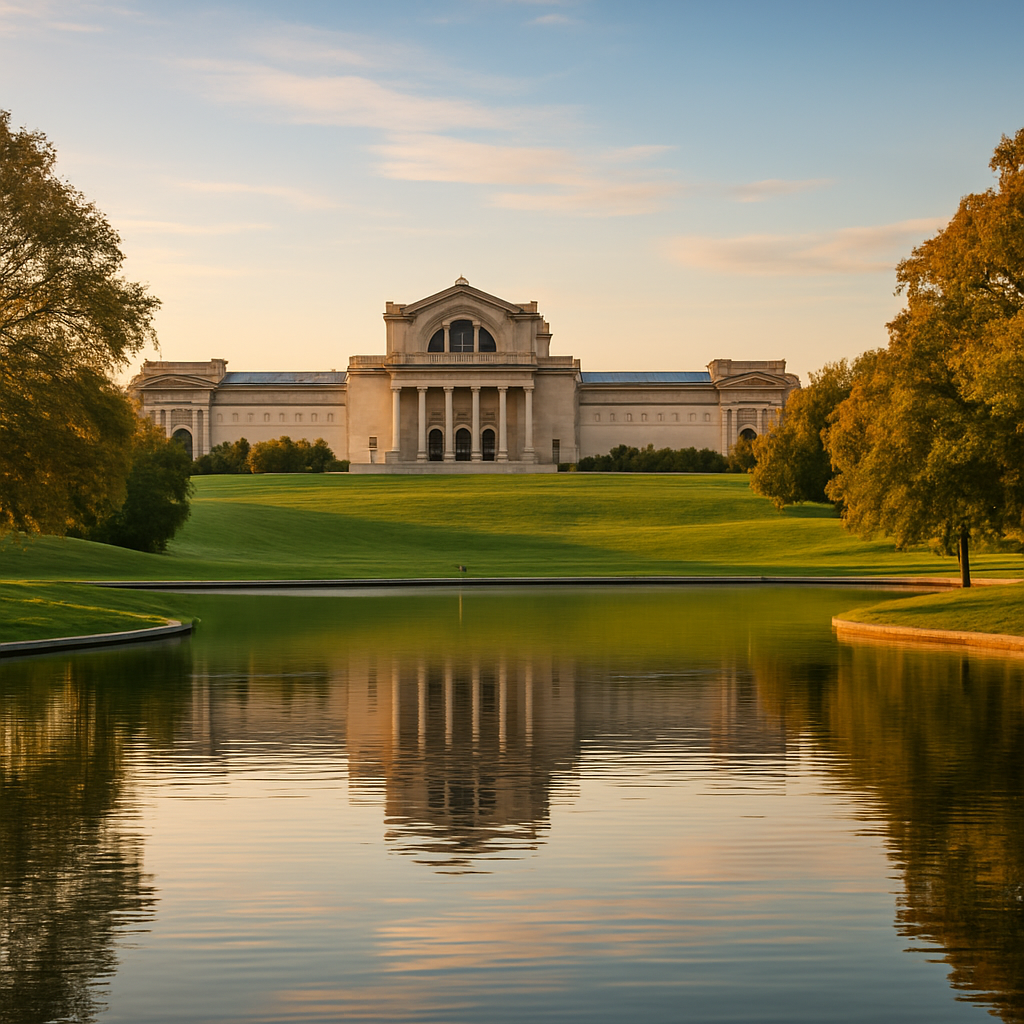
Forest Park is 1,300 acres of genuinely world-class free culture sitting immediately north of The Grove. The St. Louis Zoo costs nothing. The Missouri History Museum — which has hosted exhibitions documenting St. Louis LGBTQ+ history — costs nothing. The St. Louis Art Museum and the Saint Louis Science Center: nothing. You could spend three full days here and never pay admission. The park itself is beautiful for walking, and on weekend afternoons around the World's Fair Pavilion, the crowd skews visibly queer and relaxed. This is the single best free museum district in the country, and I'm not being hyperbolic.

City Museum
City Museum is technically a sculpture park, children's museum, and adult playground collapsed into one absolutely unhinged building on Washington Avenue downtown. You'll crawl through repurposed industrial tunnels, climb a multi-story outdoor structure made from salvaged bridges and construction cranes, and ride a rooftop Ferris wheel. Saturday nights skew queer, chaotic, and unforgettable in ways that are genuinely hard to explain until you've been there at 11pm. It's the kind of place that couldn't exist anywhere else, and it shouldn't work, but it does completely.
Pappy's Smokehouse & the St. Louis Food Trifecta
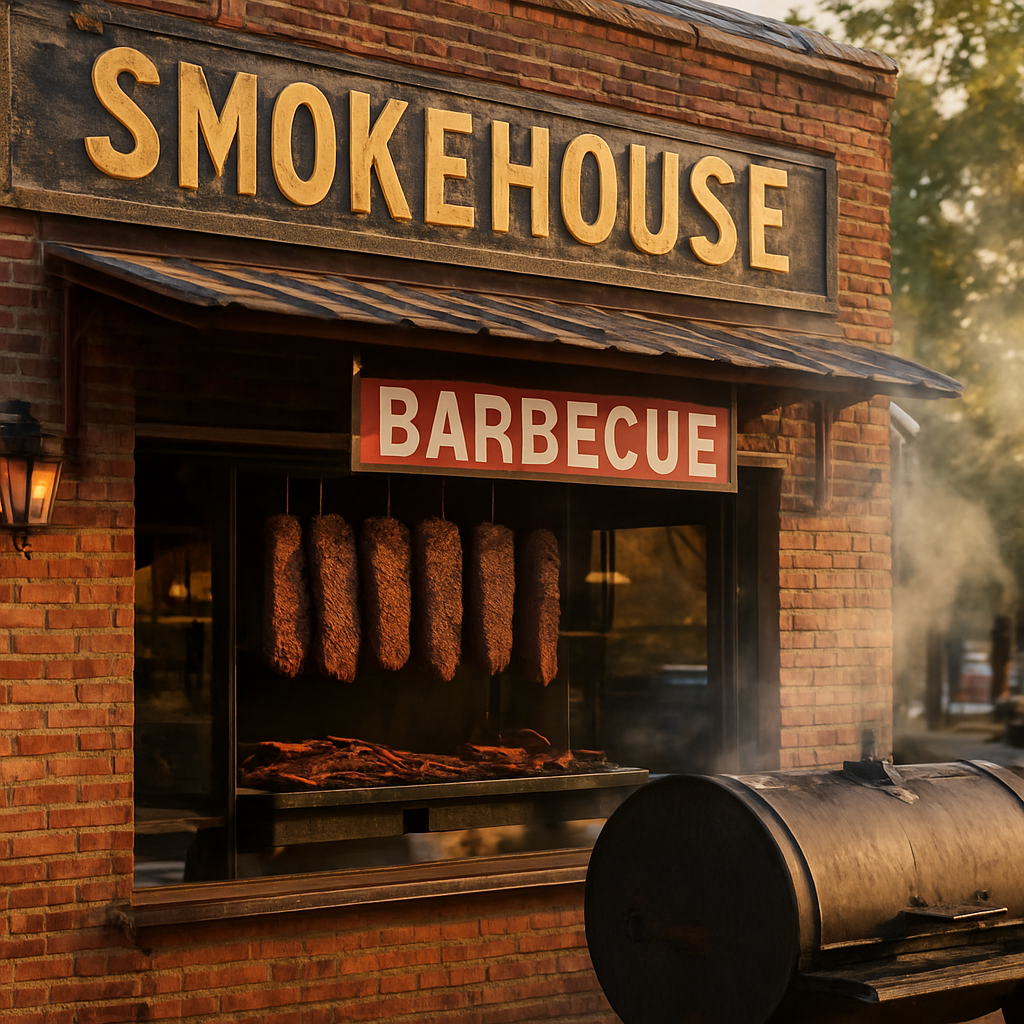
Pappy's Smokehouse on Olive Street in Midtown slow-smokes its ribs over apple and cherry wood and operates until it sells out daily — get there before 1pm or accept your fate. But the full St. Louis food pilgrimage requires three stops: toasted ravioli (breaded, deep-fried, dipped in marinara — a local invention), a Provel-covered St. Louis-style pizza from Imo's, and a late-night concrete from Ted Drewes Frozen Custard on Chippewa Street, handed to you upside down to prove it won't spill. Do all three in one day. No regrets.
Tower Grove Park on a Sunday
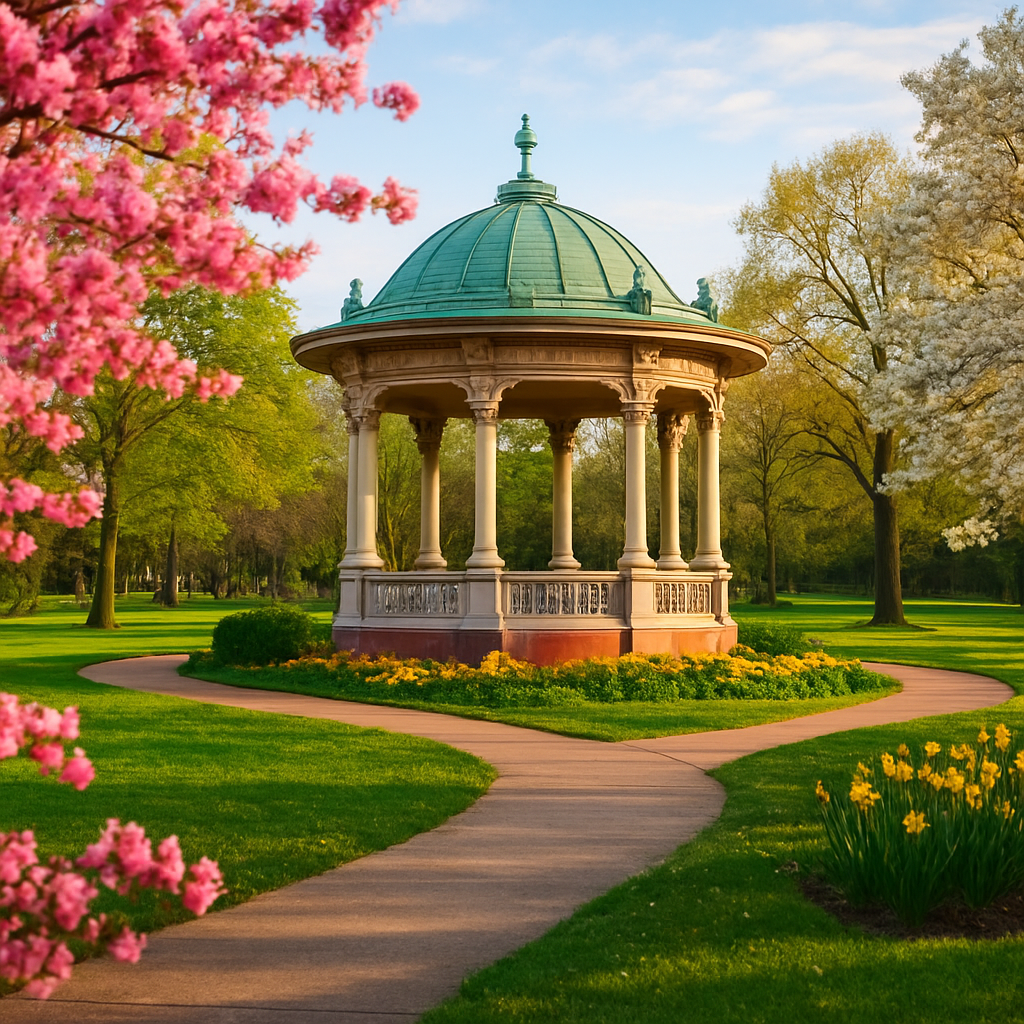
Tower Grove Park on a Sunday afternoon in spring is unmissable. This 289-acre Victorian-era park — the primary site for PrideFest St. Louis — fills its picnic pavilions with LGBTQ+ friend groups, dogs everywhere, someone always has a speaker playing something excellent, and the whole thing is completely free and deeply, unaffectedly charming. It's the version of this city that stays with you after the bars close and the flights leave. The park has been here since 1868 and the community has claimed it as their own.
Grand Center Arts District
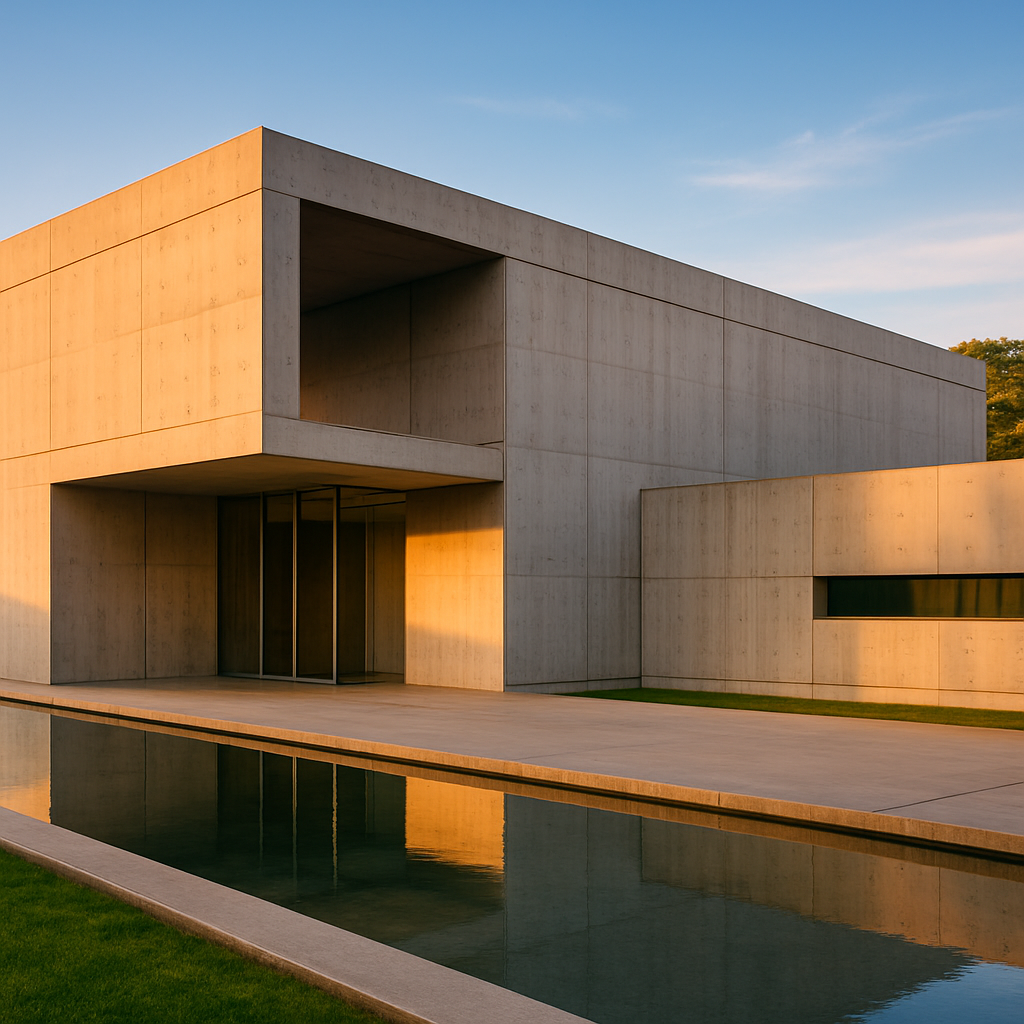
The Pulitzer Arts Foundation — a Tadao Ando-designed building with free admission — and the Contemporary Art Museum St. Louis are two of the most quietly impressive art institutions in the Midwest, both free, both in Grand Center. They're woven into the social fabric of the LGBTQ+ community in ways that feel natural rather than performative. The Pulitzer in particular is a building that changes the way light works, and it deserves an hour of slow attention. Combine with the Fox Theatre and Powell Symphony Hall in the same district for a full cultural afternoon.
The places I actually send people to
Advice that fits how you travel
St. Louis is an excellent solo trip, and the economics are the first reason: free museums in Forest Park, cheap drinks in The Grove, and food prices that make coastal travelers do a double-take. A budget solo day at $75–$100 is realistic and comfortable. The MetroLink gets you from the airport to downtown for $2.50, and a rental car — while useful for day trips — isn't necessary if you're staying within South City and using rideshare for the gaps.
Meeting people is easy here because the scene is compact. The Grove is walkable end to end in fifteen minutes, and the bars have that Midwest friendliness where striking up a conversation with a stranger is normal rather than suspicious. MoKaBe's Coffeehouse in Tower Grove South is the daytime version of that — cork boards full of event flyers, baristas who'll know your order by your third visit, and the kind of queer community living room that makes a solo traveler feel less alone immediately. App culture exists but isn't the dominant way people meet; showing up at Rehab for a Cardinals watch party or Just John on a drag night will do more for your social life than Grindr.
Safety for solo travelers within the LGBTQ+ corridor and South City is solid, but standard urban awareness applies. Stick to rideshare after midnight rather than walking long distances alone. The Grove has good foot traffic on weekends, but the surrounding blocks thin out. For a solo day, I'd map it like this: morning coffee at MoKaBe's, afternoon in Forest Park's free museums, early dinner on South Grand, then Manchester Avenue for the evening. You'll spend less than you would in almost any comparable city and feel more connected than you'd expect.
The romance math in St. Louis is straightforward in the best way. The Grove is one of the most PDA-comfortable queer districts in the Midwest — same-sex couples holding hands on Manchester Avenue are so unremarkable that nobody bothers to look up from their drink. Start your evening at Atomic Cowboy, walk to dinner at Mangia Italiano, and let the night make its own decisions from there. The low-key Thursday energy is actually better for a date than the Saturday crush.
If you want a proper sit-down dinner that earns it, Vicia in Midtown has been accumulating James Beard nominations for years and deserves every one of them. Chef Thomas Trout's vegetable-forward wood-fired menu is one of the best meals this city produces, and the room has the lighting and the pacing that a good date night requires. Book ahead — it fills up. For something with more history and less hype, Sidney Street Cafe in Benton Park has been a fine dining institution since 1995 and hasn't lost a step.
For where to sleep, proximity to The Grove matters. The Cheshire on Clayton Ave puts you minutes from Manchester without being inside the noise of it — good if you want a quiet morning after a loud night. If the two of you lean toward something more interesting, Angad Arts Hotel in Grand Center is built around emotional themes and rotating art installations — genuinely quirky, in a way that gives you something to talk about over breakfast. Either way, carve out a Sunday morning for Tower Grove Park in spring or fall. That's the version of this city that stays with you.
As of 2026, same-sex marriage is federally recognized, adoption is legal, and St. Louis city maintains non-discrimination protections covering housing, employment, and public accommodations — so LGBTQ+ families are on solid legal ground within city limits. The Grove and Tower Grove South neighborhoods are welcoming to families as a general matter during the day; the Manchester Avenue bar corridor is adult-focused once the evening gets going, which is worth planning around if you have small kids in tow.
City Museum is the opening argument for why St. Louis works for families. It's part cave system, part sculpture park, part actual working rooftop Ferris wheel, and children lose their minds there in the best possible way — budget at least half a day and accept that you will not leave when you plan to. Forest Park, just north of The Grove, gets the other half: the St. Louis Zoo is free, the Missouri History Museum is free, and the 1,300-acre park has wide paved paths that handle strollers without drama. The Saint Louis Science Center and the St. Louis Art Museum, both free, round out a genuinely world-class museum district that costs nothing beyond the time to walk it.
A rental car makes the family version of this trip significantly smoother. MetroLink handles the airport-to-downtown corridor efficiently, but moving between Forest Park, the City Museum, and South City dining on rideshare gets expensive fast when you're traveling with a group. For meals with kids, the South Grand corridor around Tower Grove South has a dense mix of family-friendly restaurants — Vietnamese, Ethiopian, Mexican, pizza — where no one will give your family configuration a second glance. Budget travelers will find St. Louis genuinely affordable by any major-city comparison: the free museum situation alone is remarkable.
What St. Louis actually costs
Flights, visas, and the first 30 minutes
Airport: St. Louis Lambert International Airport (STL) is a mid-size domestic hub with direct service to 60+ cities. It's not a major international gateway, but US connectivity is solid — you're rarely more than one connection from anywhere in the country.
Major Routes: Chicago O'Hare (ORD) is approximately 1h 10m; Dallas/Fort Worth (DFW) ~2h; Atlanta (ATL) ~2h 5m; Denver (DEN) ~2h 30m; New York JFK ~2h 45m; Los Angeles (LAX) ~3h 55m.
Entry Requirements (as of 2026): US travelers — domestic travel, no passport required. UK, EU, Canadian, and Australian citizens typically need either an approved ESTA (Electronic System for Travel Authorization) or a B-2 visitor visa to enter the United States. ESTA approval is generally required before departure, costs $21, and is valid for two years or until your passport expires. Always check your government's official travel advisory for current entry requirements before booking.
Airport to City: The MetroLink Light Rail is the smartest value — $2.50 flat fare, runs directly to Union Station and downtown in about 25 minutes. Rideshare (Uber/Lyft) runs $25–$40 to downtown and is widely available; expect surge pricing during Cardinals games and major events. Taxis are available curbside at arrivals for $40–$55. If you're planning to spend time beyond downtown and The Grove — day trips, Forest Park, South City dining — a rental car at $40–$80/day will cost less over a multi-day trip than accumulating individual rideshare fares.
Traven's seasonal breakdown
The questions everyone asks
Is St. Louis safe for LGBTQ+ travelers?
How much should I budget per day?
Do I need a car?
When is PrideFest?
Is it safe for trans travelers?
What's the deal with The Grove?
What food should I definitely try?
Screenshot this before you go
So should you actually go?
St. Louis isn't going to dazzle you with the scale of its gay scene or the polish of its tourism infrastructure — that's not the play here. What it offers is something harder to find: a genuine, tight-knit LGBTQ+ community built by people who stayed and fought for the city they love, anchored by a scrappy, neon-lit strip of Manchester Avenue that feels more real than most gayborhoods three times its size. The food is legitimately excellent, the cultural institutions are world-class and mostly free, and your dollar goes further here than in any coastal equivalent. You should know the state-level political climate is hostile, particularly for trans travelers, and that protections effectively stop at the city line. But inside that line — in The Grove, in Tower Grove, on Cherokee Street — you'll find a city that earns its community the hard way, and is better for it.
Sources & Resources
Official links we reference when compiling this guide. Last verified 2026-03-15.
- ACLU of Missouri — LGBTQ+ Rights
- ACLU of Missouri — LGBTQ+ Rights
- Effort for AIDS
- Equality Missouri
- Gateway Men's Chorus
- Gateway Men's Chorus
- Metro Trans Umbrella Group (MTUG)
- Metro Trans Umbrella Group (MTUG)
- Planned Parenthood St. Louis Region
- Pride St. Louis — PrideFest Organizer
- Pride St. Louis — PrideFest Organizer
- PROMO Missouri
- PROMO Missouri — Statewide LGBTQ+ Advocacy
- PROMO Missouri — Statewide LGBTQ+ Advocacy
- SAGE Metro St. Louis — LGBTQ+ Seniors Services
- SAGE Metro St. Louis — LGBTQ+ Seniors Services
- St. Louis Children's Hospital Transgender Center
- St. Louis Effort for AIDS (STLEA)
- Vivent Health St. Louis — HIV & LGBTQ+ Health Services
- Vivent Health St. Louis — HIV & LGBTQ+ Health Services