
Virginia Beach doesn't sell you a scene. It sells you a coastline, hands you a paper cup of oysters at 31st Street, and trusts you to figure out the rest.
It's a Tuesday in late September, the Neptune Festival is a week out, and I'm walking Atlantic Avenue at the lull hour — the boardwalk crowd has cleared, the dinner crowd hasn't landed, and the light is doing that long, gold East Coast thing where the high-rises throw shadows halfway to the sand. I'm three blocks from the King Neptune statue at 31st, eating a paper cup of oysters from Catch 31's patio, and a couple two tables over is holding hands without performing it. That's the city in one frame. Not loud. Not a scene. Just a coastline that's quietly figured out how to let people exist.
Virginia Beach is the prettiest closet you'll ever vacation in — and I mean that as a compliment, mostly. There's a reason I gave it a 7.5 on my Traven-Dex: the legal floor is a perfect 10 (Virginia's nondiscrimination protections, as of 2026, are the strongest in the South), the city itself is genuinely pleasant, and the people I met from Commune's back patio to the Smartmouth taproom were warm without being weird about it. But the queer scene the score implies isn't in Virginia Beach proper. It's 25 minutes west, across the water in Norfolk's Ghent neighborhood — Granby Street, Colley Avenue, The Wave, drag on a Saturday, Sunday tea. The 757 is one ecosystem. You just have to drive it.
What's surprised me, visit after visit, is how much real city is hiding behind the boardwalk hotels. The ViBe Creative District between 17th and 19th — three blocks of murals, farm-to-table kitchens, and the kind of coffee shops where the regulars nod at each other — punches at a scale this city's tourism brochures never sell. Old Beach, tucked between Laskin Road and the sand, is a residential pocket of '20s cottages and live oaks that locals quietly love and tourists never find. First Landing State Park at sunrise — 2,888 acres of bald cypress swamp on one side, Chesapeake Bay on the other — is the most magical thirty minutes you can have in this metro, and you'll have it almost entirely to yourself.
The contradictions are the trip. The Navy presence shapes everything, which is why the region skews younger and more transient than you'd guess and why the apps in Virginia Beach proper read more closeted than the law would predict. South of the so-called Green Line into Pungo and Sandbridge you're in pickup-truck-flag country in twenty minutes flat. Then you turn around, drive north, and you're back at The Cavalier's 1927 lobby with a distillery on property and a HRC-100 corporate parent at the desk. Both Virginias are real. Plan for both.
The stuff your travel guide buries on page 47
Virginia is, as of 2026, one of the more legally protective states in the South for LGBTQ+ travelers. The Virginia Values Act, passed in 2020, gives statewide non-discrimination protections covering sexual orientation and gender identity in employment, housing, and public accommodations. Marriage, adoption, and second-parent adoption are all fully recognized. Driver's license gender markers can be updated through self-ID. On paper, you're on solid ground — see Equality Virginia and the ACLU of Virginia — LGBTQ Rights page for the latest on policy debates and any active litigation.
The cultural temperature, though, swings hard depending on which Virginia Beach you're standing in. The Oceanfront tourist strip is welcoming in the way most American beach towns are welcoming — i.e., it'll take your money cheerfully and not ask questions. The ViBe Creative District between 17th and 19th Streets is the most visibly queer-affirming pocket in the city itself, with murals, galleries, and small businesses that read as genuinely affirming rather than performatively so. Move south into Pungo and Sandbridge, though, and you're in rural agricultural Virginia — pickup-truck-flag country, conservative pockets, and a different read on PDA.
Here's the thing nobody puts in the brochure: Virginia Beach itself doesn't have a dedicated gay village. The scene you're picturing — bars, dance floors, drag — mostly lives across the water in Norfolk's Ghent neighborhood, about 20-25 minutes west. Hampton Roads Pride has anchored the regional LGBTQ+ community since 1989, with PrideFest at Town Point Park in late June.
Pro tip: The Navy presence shapes the whole metro. It's why the region skews younger and more transient than you'd guess, and why the queer scene quietly thickened around Ghent post-DADT. Travelers should also be aware that despite state-level protections, Virginia's political climate has shifted under recent administrations — debates around trans youth healthcare and school policies are ongoing, though they generally don't affect adult travelers passing through.
What it actually feels like on the ground
Holding hands on the Oceanfront: Generally fine between 17th and 40th Streets during daylight and early evening. The strip is well-lit and heavily patrolled. After 1 a.m. the bar crowd gets sloppy — not hostile, just messy with bachelor and bachelorette parties — so I'd grab a rideshare back rather than walk a long stretch.
Hotel check-in as a same-sex couple: No issues at the major oceanfront properties. The Hilton, Marriott, Hyatt House, and the restored Cavalier all sit at corporate parents with HRC-100 ratings. One king bed, no eyebrows.
Taxis and rideshares: Uber and Lyft are the move and entirely uneventful. Surge pricing in summer can sting — budget for it. The HRT bus exists but is slow and not realistic with luggage.
Beaches and public spaces: The main Oceanfront beach is family-saturated; PDA among same-sex couples is fine but you're sharing the sand with a lot of kids and Bible-camp groups. Chick's Beach on the Chesapeake Bay side is calmer, more locals-only, and where queer locals tend to escape to.
Late night: The Oceanfront after midnight is the rowdiest part of the city. Stay aware, stay in groups, and don't walk back from Atlantic Avenue alone if you can help it. The actual gay nightlife is across the water in Norfolk anyway.
Trans travelers: Virginia is one of the legally safer Southern states as of 2026 — self-ID for license markers, statewide protections — but social visibility for trans travelers is lower in Virginia Beach proper than in Norfolk's Ghent. I'd lean toward Ghent for nightlife and use ViBe, Old Beach, or Town Center as your daytime base. The LGBT Life Center in Norfolk is the regional safety net for HIV testing, PrEP navigation, and trans-affirming care, and the Transgender Assistance Program of Virginia is the statewide resource locals lean on.
Verbal harassment: Approximately rare in tourist zones, ViBe, and Town Center. More likely the further south you go into Pungo and Sandbridge — not violent, but the cultural read shifts. Watch out for: the area south of the so-called Green Line gets rural fast. Locals dial the PDA back there and nobody's the wiser. If something does happen, The Trevor Project is the national crisis line and operates 24/7.
The queer geography
ViBe Creative District
If Virginia Beach has a soul outside the boardwalk, it lives between 17th and 19th Streets. The ViBe Creative District is a few-block stretch of murals, galleries, coffee bars, and farm-to-table kitchens — the rare American beach-town pocket where the art isn't an afterthought. Walk it on a Saturday morning and you'll hit Commune for brunch (chef Kevin Jamison's farm-to-table room with an on-site garden), Esoteric for a long lunch on the patio, and 37th & Zen or Three Ships Coffee for laptop hours. The murals along Mediterranean Avenue and 18th Street are the unofficial photo backdrop for everyone passing through. This is the most LGBTQ+-visible pocket in Virginia Beach proper — affirming small businesses, the kind of crowd you'd expect in a city ten times the size. Visit Virginia Beach keeps a current map of the district and seasonal mural tours.
Old Beach
Tucked between Laskin Road and the Oceanfront is Old Beach, the walkable residential pocket that locals quietly love and tourists almost never find. Cottages from the '20s and '30s, mature live oaks, a farmers market on summer Saturdays, and an increasingly queer-owned café and small-business scene. It's the part of the city that feels most like a neighborhood rather than a destination. Stay here if you want the beach close but not the boardwalk loud.
Oceanfront
The 3-mile Virginia Beach Boardwalk from Rudee Inlet to 42nd Street is the spine of the city's tourist economy — concrete promenade, parallel bike path, the King Neptune statue at 31st Street, and a wall of mid-rise hotels behind it. Touristy by day, looser after dark. Eat at Catch 31 or Tautog's (in a 1920s beach cottage, she-crab soup that lives up to the hype), drink at Smartmouth Pilot House (the local craft brewery has produced Pride-themed releases and partnered with Hampton Roads LGBTQ+ orgs), and use the boardwalk as your daily walk. It's not the queer heart of the city — that's ViBe and, more honestly, Norfolk — but the corporate hotel brands here are all HRC-rated and the strip is, in practice, comfortable.
Town Center / Pembroke
About four miles inland from the beach, Town Center is the city's mid-2000s downtown experiment — the 38-story Westin Tower (still the tallest building in Virginia), the Sandler Center for the Performing Arts, upscale chain dining, and a corporate clientele that fills the sidewalks at lunch. Useful as a base if you care about walkable dining over beach access, and quietly LGBTQ+-comfortable in the everyday-business way that big-brand districts tend to be.
Norfolk's Ghent (the day trip you'll actually take)
I'm going to be straight with you: the gay nightlife you're looking for is 25 minutes west, in Norfolk's Ghent neighborhood. MJ's Tavern on Granby Street, The Wave in Ghent, and Rainbow Cactus are the regional anchors. Granby Street and Colley Avenue are where the dance floors, drag nights, and Sunday tea actually happen. The Chrysler Museum of Art, the NEON Arts District, and the historic Ghent grid of brick rowhouses make it a real day-or-evening trip in its own right. The original Hershee Bar closed in 2019 after 35 years and is still mentioned weekly by locals — context worth carrying. Hampton Roads Pride has anchored the regional community here since 1989, and the Side-by-Side youth organization runs programming across the metro.
The experiences worth rearranging your itinerary for
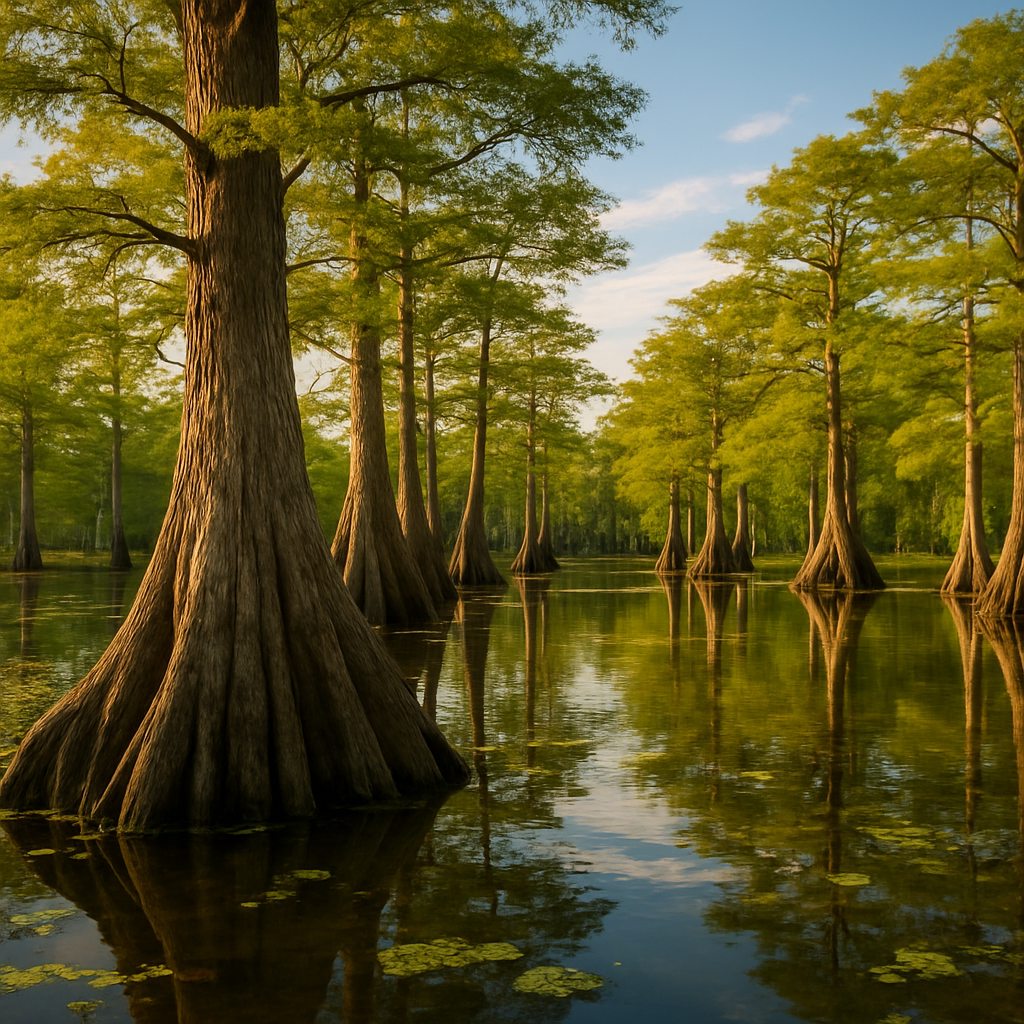
Sunrise at First Landing State Park
Get there before 8 a.m. and you'll have 2,888 acres almost entirely to yourself — bald cypress swamp on one side, Chesapeake Bay on the other, twenty miles of trails through maritime forest that almost no tourists know about. This is the spot where English colonists landed in 1607, but the magic is the silence. Pack coffee, bring a camera, leave the boardwalk crowd behind.
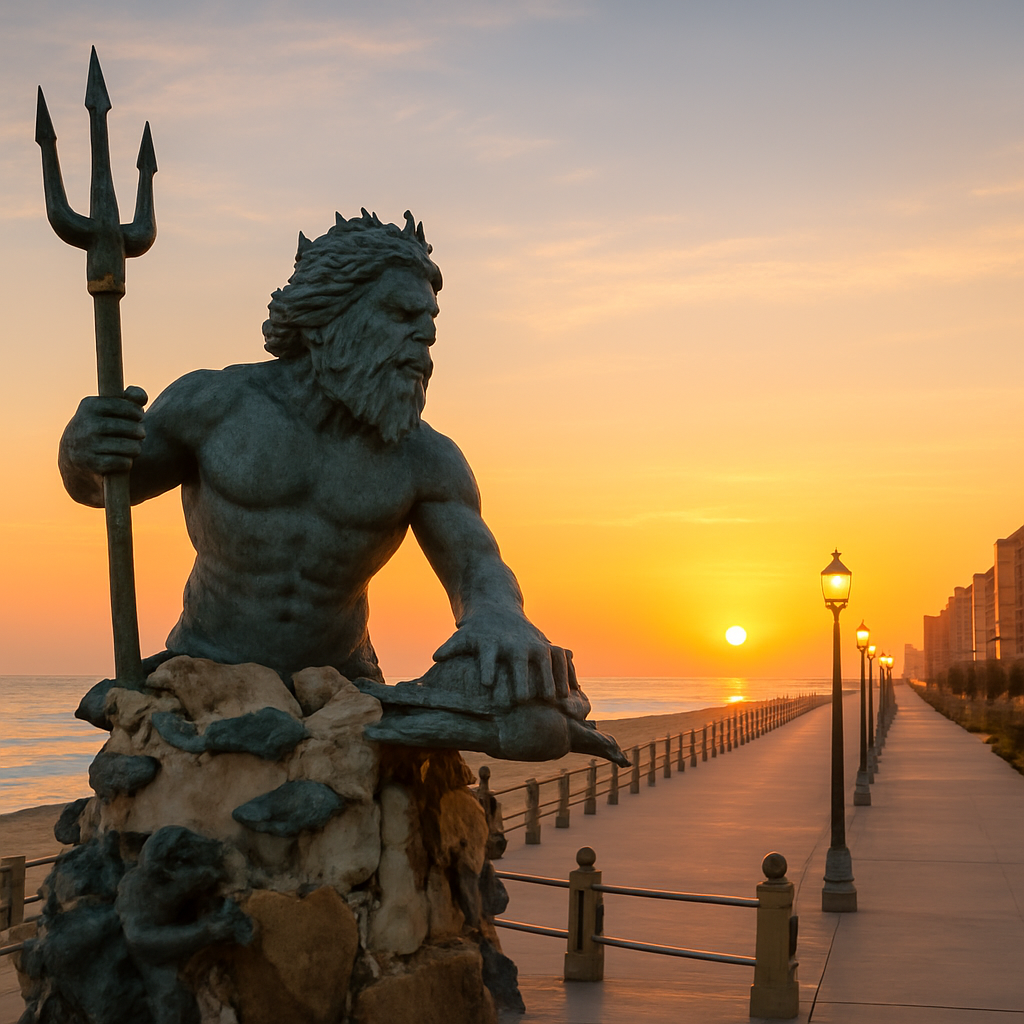
Walk the Three-Mile Boardwalk Twice
Once at sunrise, when it's just runners and the gulls and the King Neptune statue at 31st Street looking properly mythic, and once after dinner when the lights come up and the crowd thickens. The 3-mile concrete promenade from Rudee Inlet to 42nd is the spine of the whole city — separate bike path running parallel — and the two walks tell you two different stories about Virginia Beach. Free, no booking, do both.
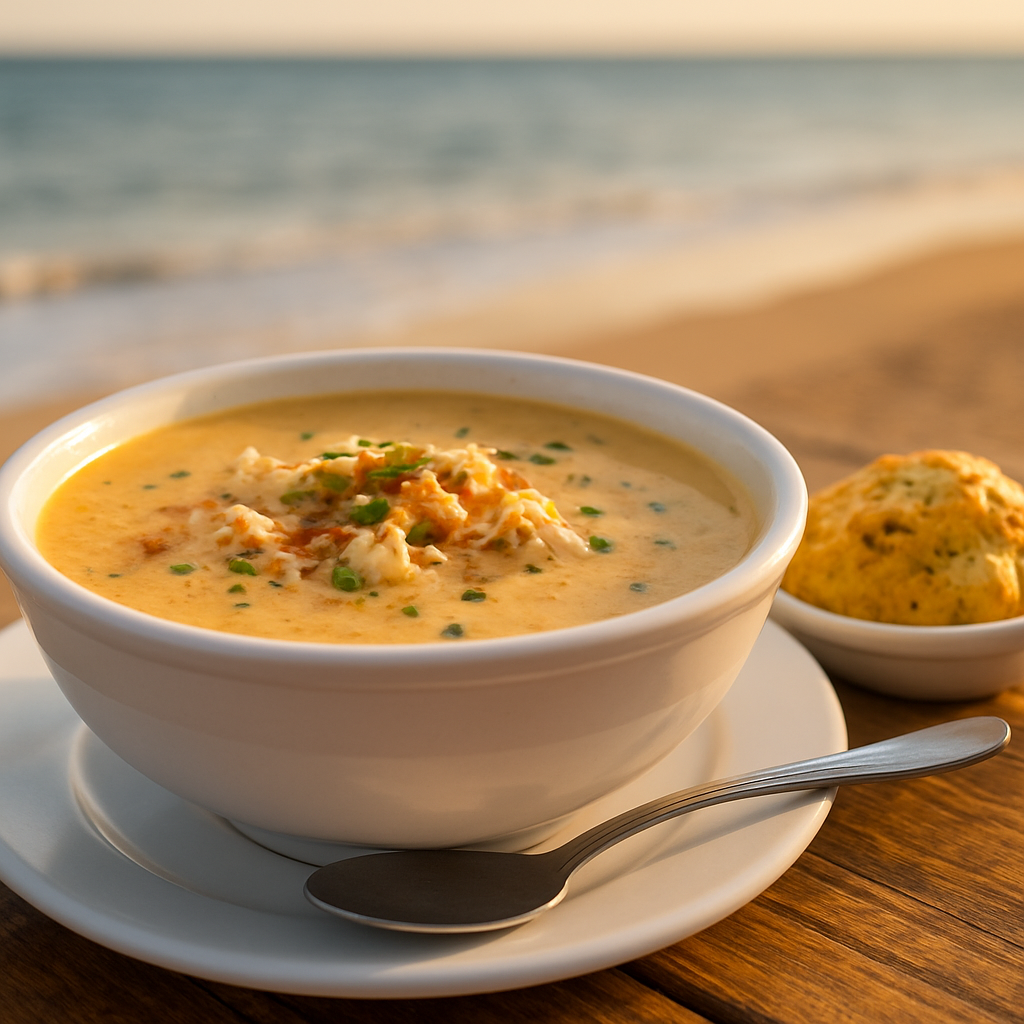
She-Crab Soup at Tautog's
The Tidewater signature is sherry-laced cream, blue crab, and roe, and you should order it at least once at Tautog's — a 1920s beach cottage just off the Oceanfront, family-owned since 1989, floors that slope a little, the kind of room the boardwalk hotels can't fake. Pair it with a local beer and the early-evening light through the windows. This is the meal that turns a generic beach trip into a 757 trip.
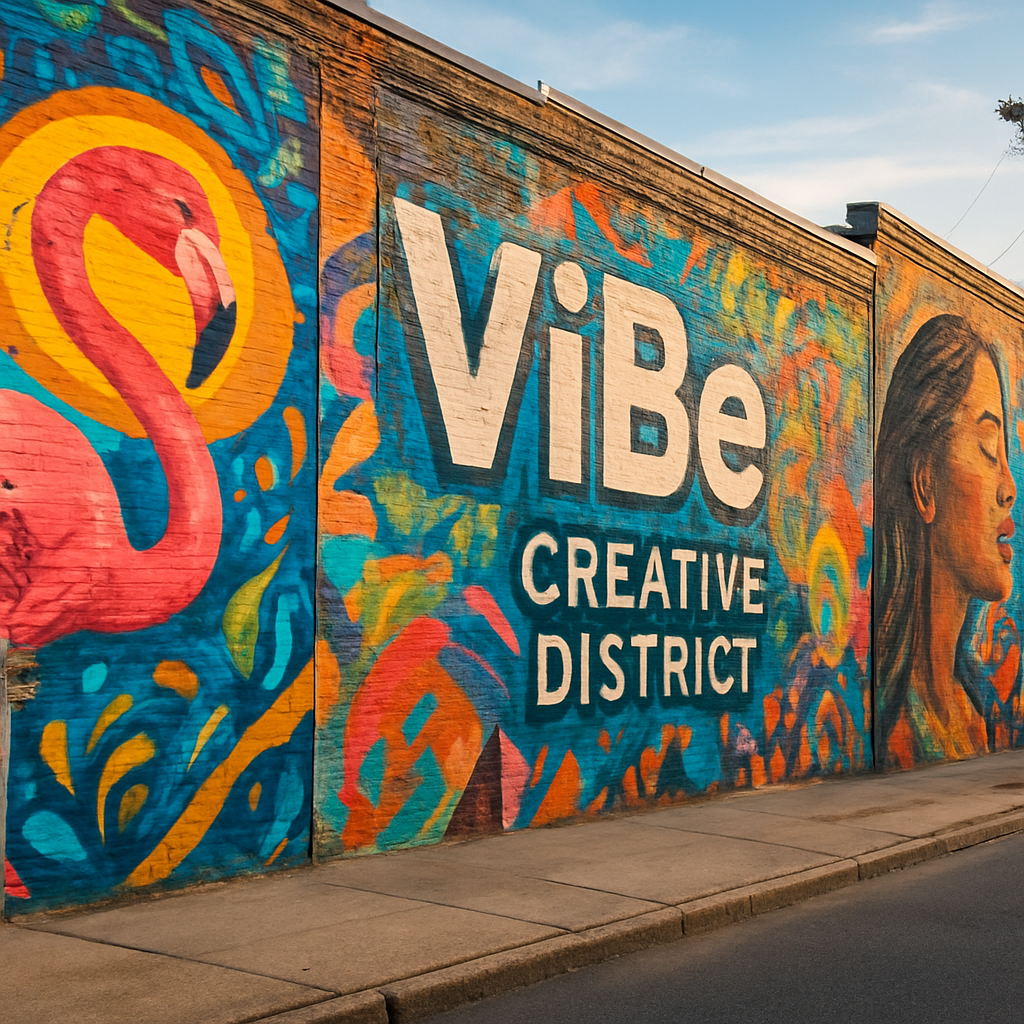
ViBe Murals + MOCA Pairing
The Virginia Museum of Contemporary Art on Parks Avenue punches well above its weight and consistently programs queer artists — pair it with a slow walk through the murals along Mediterranean Avenue and 18th Street in the ViBe Creative District. Three Ships Coffee for the espresso, then drift through the galleries, then a long lunch at Esoteric or Commune. This is Virginia Beach's most interesting half-day, full stop.
Day Trip to Cape Charles
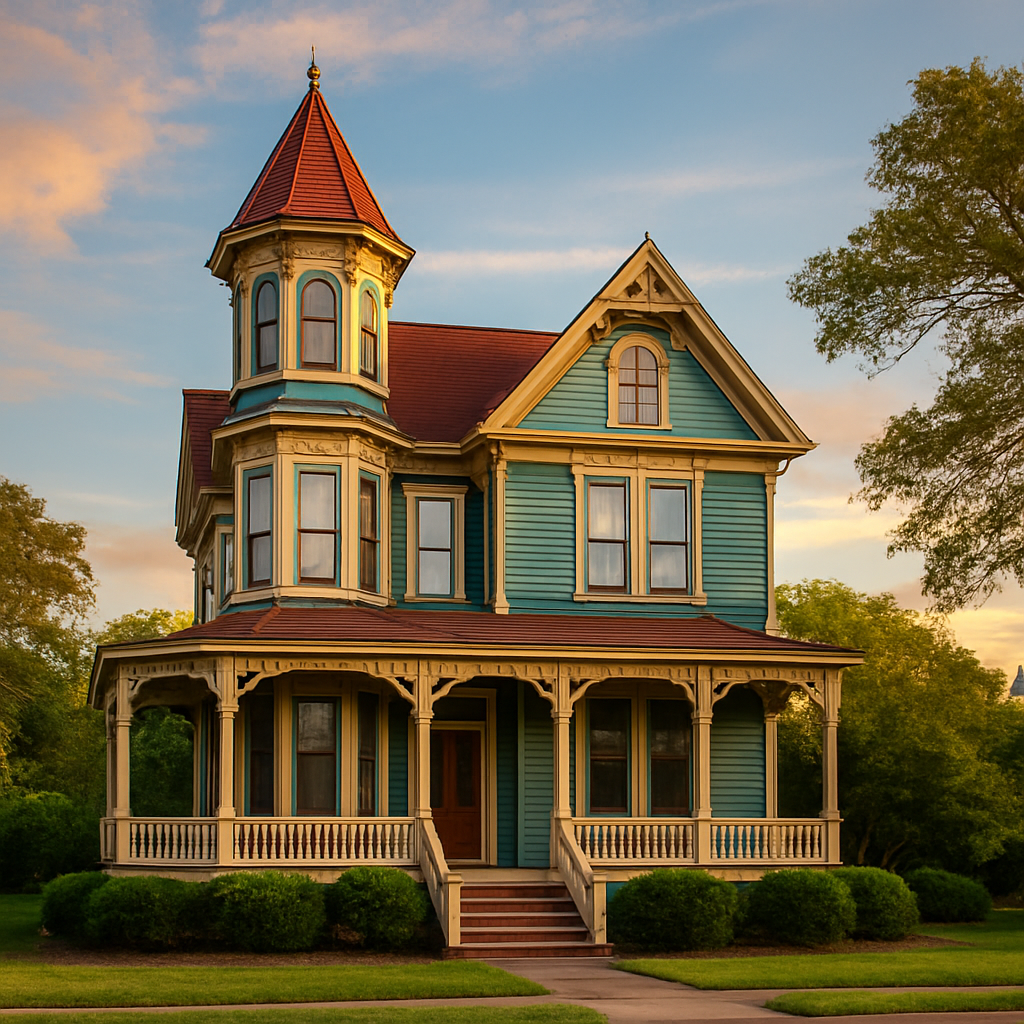
Drive an hour north over the Chesapeake Bay Bridge-Tunnel — itself one of the most cinematic engineering feats on the East Coast — and you land in Cape Charles, a tiny 1884 railroad town with a National Register historic district and a Chesapeake-side beach where the sun actually sets on the water (a rarity for an East Coast town). Boutique inns, oyster bars, independent kitchens, and a quiet that the resort strip can't manufacture. Stay for dinner if you can.
The places I actually send people to
Advice that fits how you travel
Solo Virginia Beach is a different trip than solo most beach towns. The Oceanfront is built for couples and families, which means as a solo traveler you have two real moves: lean into the in-town daytime scene at ViBe Creative District — long mornings at Commune or Three Ships Coffee, an afternoon at MOCA, the murals along 18th and Mediterranean — or accept upfront that your evenings probably belong 25 minutes west in Norfolk's Ghent. That's where the gay bars actually are. MJ's Tavern, The Wave, Rainbow Cactus. The drive is uneventful, the rideshare back is approximately $30-40, and the night will be better than any boardwalk attempt at one.
App culture in the 757 is heavily Navy-shaped — younger, more transient, more closeted than you'd expect for a region with statewide protections. Grindr in Virginia Beach proper skews quiet and military-discreet; cross the water to Norfolk and the grid lights up. Budget-wise, solo travel here is genuinely friendly: $110-160 a day off-strip gets you a clean motel, food at Tautog's or Esoteric, and bus or rideshare access to everything that matters. The off-strip motel and a rental car combo is the smartest configuration — Virginia Beach is car-dependent the second you leave the boardwalk.
Pro tip: base yourself in Old Beach if you can — walkable to the Oceanfront, near the ViBe District, and the residential blocks read calmer than the resort strip after dark. Sunrise on the boardwalk or at First Landing State Park is the part of this trip you'll actually remember, and both are best done alone.
Virginia Beach pulls off the couples trip better than it pulls off most things. Same-sex couples can hold hands on the Oceanfront between 17th and 40th Streets without issue, check into the Hilton, Marriott, Hyatt House, or the restored Cavalier with a king bed and zero front-desk theater (all four sit under HRC-100 corporate parents as of 2026), and find genuine date nights at Terrapin, One Fish-Two Fish, or a long sunset at Catch 31's patio. The Cavalier is the move if you're celebrating something — 1927 bones, Tarnished Truth Distilling on property, the kind of room that makes a weekend feel intentional.
For the romantic version of this trip, build it around water and quiet. Cape Charles, an hour north over the Chesapeake Bay Bridge-Tunnel, is a tiny 1884 railroad town with late-Victorian architecture and a Chesapeake-side beach where the sun actually sets on the water — rare for the East Coast. Stay one night at a boutique inn there. Back in town, Sandbridge rentals 15 miles south are built for a long weekend with someone — quiet, residential, low-key. Discretion-wise, Sandbridge is family-rental country, so the PDA dial comes down a click; nothing dramatic, just a different cultural read than the boardwalk.
For drinks: Pacifica at the Hilton at sunset, then dinner at Terrapin or Coastal Grill, then drift back along the boardwalk after dark. If your couples trip is more nightlife than nightcap, do one evening in Ghent — dinner along Colley Avenue, drag at The Wave, rideshare back. Pro tip: the Cavalier's distillery tasting room is the most underrated couples activity in the 757 — book it before dinner, not after.
LGBTQ+ families have real legal footing in Virginia. As of 2026, marriage, adoption, and second-parent adoption are all fully recognized, and the Virginia Values Act (2020) covers sexual orientation and gender identity in employment, housing, and public accommodations statewide. Two-mom and two-dad families check into the major Oceanfront hotels without issue — the Hilton, Marriott, Hyatt House, and Oceanaire Resort all have suite layouts that pay for themselves by day three of a family trip. The Hyatt House in particular, with full kitchens in every unit, is the configuration I'd pick for anything longer than a weekend.
The kid-friendly infrastructure here is genuinely strong. The Virginia Aquarium at Rudee Inlet is AZA-accredited with 800,000+ gallons of habitats and dolphin-watching boat trips that hold up for adults and kids at the same time. First Landing State Park, Cape Henry Lighthouse (a climbable 1792 tower on a working military base), and the 3-mile Virginia Beach Boardwalk with its parallel bike path are all built for stroller-and-scooter logistics. The Military Aviation Museum in Pungo is a sleeper hit if you have an aviation-curious kid — most aircraft still fly. About 60 miles inland, Colonial Williamsburg has actually programmed interpretive tours on same-sex relationships in the colonial period, which is unusual and worth knowing.
On the social read: the Oceanfront tourist strip and the ViBe Creative District are the comfortable bases for LGBTQ+ families. Move south into Pungo or Sandbridge and you're in rural agricultural Virginia — protections still apply, but the cultural temperature shifts and the family-rental crowd skews more conservative. Pro tip: the May and September shoulder seasons are the move for families — warm ocean, manageable crowds, lower pricing, and the boardwalk hasn't gone full bachelor-party-summer yet.
What Virginia Beach actually costs
Flights, visas, and the first 30 minutes
Airport: Norfolk International Airport (ORF) is the closest major gateway, about 25-35 minutes from the Oceanfront by car. The airport handles approximately 25 direct routes to East Coast and Midwest hubs — Atlanta, Charlotte, Chicago, Dallas, Detroit, Newark, and the New York metro airports are the most reliable nonstops. For broader international connections, you'll typically connect through Charlotte, Atlanta, or Washington-Dulles.
Visa requirements (as of 2026): U.S. travelers need no documentation beyond a government ID for domestic flights. Canadian visitors typically don't need a visa for stays up to 180 days. UK, EU, and Australian travelers generally enter under the Visa Waiver Program with an approved ESTA for stays up to 90 days — apply online at least 72 hours before departure and budget approximately $21. Travelers from non-VWP countries should check current B-1/B-2 visitor visa requirements with the U.S. State Department before booking.
Airport to Oceanfront: Rideshare (Uber/Lyft) is the most convenient option at approximately $30-45, though summer surge pricing can push it higher — budget accordingly on Friday and Saturday afternoons. A taxi runs $45-55 flat-rate to the resort strip; tip 15-20%. Pro tip: rent a car if you can. At $50-90/day, it's the move — Virginia Beach is genuinely car-dependent outside the boardwalk strip, and the 25-minute drive to Norfolk's Ghent for nightlife is the trip you'll actually want to take. Some oceanfront hotels offer complimentary or paid shuttles ($0-25); check with your property at booking. The HRT bus (Route 20 with a transfer to Route 27) costs $2.00 but takes 90 minutes-plus with multiple changes — skip it if you have luggage.
Traven's seasonal breakdown
The questions everyone asks
Is Virginia Beach actually gay-friendly?
Where's the gay nightlife?
Is it safe to hold hands on the boardwalk?
When should I go?
Do I need a rental car?
Is there a Pride event in Virginia Beach?
Where should I stay if I want it gay-friendly?
Screenshot this before you go
So should you actually go?
Go — but go knowing what you're booking. Virginia Beach is a wide-beach, soft-sunset, family-coded resort town with statewide legal protections (as of 2026), a real arts pocket in the ViBe District, and one of the most underrated historic hotels on the East Coast in The Cavalier. What it doesn't have is a dedicated gay village — that lives 25 minutes west in Norfolk's Ghent, and your evenings probably belong there. If you come for the sand and accept that the scene is a short rideshare across the water, this is a 7.5 on my Traven-Dex that earns the score and then some. Rent a car, base yourself in Old Beach or on the Oceanfront, eat the she-crab soup at Tautog's, and use the 757 the way locals do.
Sources & Resources
Official links we reference when compiling this guide. Last verified 2026-05-04.