DC is the only city where the people rewriting civil rights law Monday morning are at JR.'s for happy hour by Thursday — and somehow both feel equally urgent.
Step out of the Dupont Circle Metro stop at 6pm on a weekday and you'll understand this city immediately. The fountain is running, someone is walking an impossibly well-groomed dog, and within thirty seconds you'll see at least two people in suits holding hands. This is Washington — a city where the political and the personal have always been hopelessly entangled, and where the queer community didn't just survive that entanglement but shaped it from the inside out. The Human Rights Campaign headquarters is six blocks away. The National Center for Transgender Equality is down the street. Half the people at the bar have a floor pass to the Capitol. It has a specific energy that no other city on earth replicates.
The Circle — local shorthand for Dupont — is still the gay heart of DC, and it's showing its age in the best way possible: like a beloved drag queen who's been doing the same act for 30 years and it still kills every time. JR.'s Bar at 1519 17th Street NW has been open since 1986, its nightly happy hour packed with Hill staffers who urgently needed a whiskey soda after another day of watching democracy audition for a reality show. The rainbow crosswalks on 17th Street NW glow at dusk with the Dupont fountain visible down the block. It's not subtle. It's not trying to be.
But don't make the rookie mistake of planting yourself in Dupont and never leaving. The queer scene has genuinely spread across the whole city — U Street, Shaw, Adams Morgan — and each brings something different. Nellie's rooftop on U Street on a warm evening, surrounded by a crowd that's half sports bro and half queer and somehow perfectly happy about it, is one of those DC experiences that makes you forgive the humidity entirely. My Traven-Dex of 8.8 shouldn't surprise anyone who's spent real time here; I gave it a 8.5 on Scene because the city's queer geography has expanded without the original scene disappearing.
And then there's the building at 2317 18th Street NW in Adams Morgan — Pitchers downstairs, A League of Her Own upstairs — a dedicated lesbian bar that feels genuinely alive rather than endangered, which is rarer than it should be and worth celebrating loudly. DC doesn't just have queer nightlife; it has queer infrastructure — health clinics, sports leagues, community centers, a literal city government office — that makes it feel like a place that has genuinely thought about what it means to welcome people like us. That's a different thing entirely from a city that merely tolerates us.
The stuff your travel guide buries on page 47
Washington DC operates under the DC Human Rights Act, one of the most comprehensive LGBTQ+ protection frameworks in the United States. Same-sex marriage is legal, adoption rights are fully equal, and anti-discrimination protections cover sexual orientation and gender identity across employment, housing, and public accommodations. Gender marker changes operate on a self-identification basis — no surgery requirements, no physician letters. There is zero criminalization. The city has a dedicated DC Office of LGBTQ Affairs inside the municipal government, which is not something most cities in the world can say.
On the ground, this translates to a city where existing as a visibly queer person in tourist-facing neighborhoods is genuinely unremarkable. DC has been a destination for LGBTQ+ Americans fleeing less hospitable places since the mid-20th century, and the community here has always been unusually politically organized. You can hold hands on the Metro, wear your pronoun pin to brunch, and generally exist without performing constant threat-assessment in any neighborhood you're likely to visit as a tourist.
One important nuance: as the US federal capital, federal policy on LGBTQ+ matters can differ from DC's strong local laws. The DC Human Rights Act provides real protections regardless of what's happening federally, but travelers should stay informed of any changes affecting access to federal buildings, national parks, or federally-funded institutions. The ACLU of DC and the Gay and Lesbian Activists Alliance of Washington DC maintain current resources on the legal landscape.
Capital Pride in June is enormous — the parade runs Pennsylvania Avenue, the National Mall lights up, the whole civic spectacle — but the most community-feeling events happen during the surrounding week at smaller venues and spaces. Check the Capital Pride Alliance calendar early because the good stuff fills up fast and hotel inventory near the Mall evaporates around the same time. DC Black Pride over Memorial Day weekend in May is equally worth knowing about — one of the largest Black LGBTQ+ gatherings in the world, bringing a distinct and joyful energy to the city.
If you need PrEP, gender-affirming care, HIV services, or just a primary care provider who actually gets it, Whitman-Walker Health at 1525 14th Street NW has been serving this community since 1973. They take sliding-scale fees seriously, and their patient portal lets you get the ball rolling before you even land at Reagan. It's the kind of resource every city should have and very few do.
What it actually feels like on the ground
Holding hands in public: In Dupont Circle, Logan Circle, and the 14th Street corridor, no one will blink. On the National Mall and in Georgetown, it's fine and common. In Anacostia or unfamiliar residential neighborhoods further from the tourist core, standard situational awareness applies — not paranoia, just city sense.
Hotel check-in: All established hotels in DC treat same-sex couples identically to anyone else, full stop. Kimpton properties are especially well-regarded for LGBTQ+ hospitality system-wide, and Eaton DC makes LGBTQ+ inclusion an explicit part of its organizational identity. You won't have a problem anywhere covered by this guide.
Taxis and rideshares: Uber and Lyft operate city-wide without issue. DC cabs are generally fine. If you encounter discriminatory behavior from a driver, the DC Human Rights Act gives you real legal recourse — document it and contact the ACLU of DC. In practice, this is not a common occurrence here.
Public spaces: DC doesn't have beaches, but it has extensive public green space. Dupont Circle park, Meridian Hill Park, and the National Mall are all well-trafficked and comfortable. Rock Creek Park is popular for running and walking — standard urban park awareness applies after dark in less-populated sections.
Late night: The Metro runs extended hours on weekends, which matters enormously when you're trying to get from Nellie's back to your hotel without a surge-priced Uber — check the WMATA app for current weekend hours and plan your last call accordingly. The areas around Dupont, U Street, and Adams Morgan are well-lit and busy on weekend nights. Walking between them is generally safe; apply the same awareness you'd use in any major city after 2am when everyone's hungry and slightly poor in judgment.
Trans travelers: Washington DC has among the strongest trans protections in the United States — self-ID for gender marker changes, comprehensive anti-discrimination coverage, and the National Center for Transgender Equality is headquartered here, which tells you something about the community infrastructure. Whitman-Walker Health on 14th Street is exceptional for gender-affirming care. Note that access policies at some federal buildings may shift with administration changes — check current federal guidance before planning visits to government sites.
Verbal harassment risk: Low in the core tourist and queer neighborhoods you'll spend most of your time in. If something does occur, the DC Center for the LGBT Community maintains resources for reporting and support. This is a city with the legal and community infrastructure to actually back you up.
The queer geography
Dupont Circle
This is where DC's queer story is rooted, and the neighborhood knows it. The fountain at the intersection of Connecticut, Massachusetts, and New Hampshire Avenues NW has been a gathering point for the community since the 1970s, and the 17th Street strip — between P and R Streets — remains the commercial heart of gay DC. JR.'s Bar at 1519 17th Street NW has been open since 1986, its happy hour one of the great social rituals of this city: show-tune nights, a diverse mixed crowd, and enough political gossip to fuel a mid-budget documentary. The rainbow crosswalks on 17th Street NW are the photo landmark that signals you've definitively arrived. The neighborhood has gentrified considerably, but the LGBTQ+ community never left — it just got better at brunch. For daytime community connection, the DC Center for the LGBT Community is the real nerve center — support groups, resources, events, and staff who actually know the landscape. They're genuinely welcoming to out-of-towners who want to plug in rather than just bar-hop.
U Street Corridor & Shaw
The U Street Corridor has deep roots in Black DC history — this was once the center of the city's "Black Broadway" — and it's evolved into one of DC's most energetic nightlife districts with a strong and growing queer presence. Nellie's Sports Bar at 900 U Street NW is the anchor: high-volume, reliably packed, with a rooftop deck that on a warm night is one of the best places to be in this city regardless of orientation. Weekend drag brunch fills up — book ahead. Nearby Shaw adds the Dacha Beer Garden to the mix, a sprawling outdoor space that skews queer-friendly and draws mixed crowds on warm evenings. This stretch also has some of DC's best restaurants within easy walking distance of wherever the night takes you.
Logan Circle & 14th Street Corridor
If Dupont is the historic gay neighborhood and U Street is the party, then Logan Circle and the 14th Street corridor is where much of DC's queer community actually lives. The residential density here is high, the coffee shops are good, and Whitman-Walker Health at 1525 14th Street NW — the community's cornerstone health clinic since 1973 — anchors the neighborhood with something more essential than bars. Busboys and Poets at 14th and V is openly LGBTQ+-affirming: good food, strong coffee, bookstore energy, and a crowd that makes you feel like a better person just for sitting there. Logan Circle Park itself is a lovely spot to decompress between the nightlife and the monuments.
Adams Morgan
Bohemian, chaotic, slightly exhausting in the best way — Adams Morgan runs along 18th Street NW and has always attracted the kind of people who find Dupont a little too polished. The queer anchor is the building at 2317 18th Street NW: Pitchers Bar downstairs, A League of Her Own (known locally as ALOHO) upstairs. A dedicated lesbian bar that feels genuinely alive rather than endangered is rarer than it should be, and the two-venue setup in one building is an extremely efficient use of square footage. When Blowoff is running — Bob Mould's bear-and-indie-rock party, typically at the 9:30 Club — it belongs in the same category of DC queer experiences that feel singular and worth planning a trip around. Check the schedule carefully because it doesn't run every month and sells out when it does. Stonewall Sports DC runs year-round leagues in kickball, bocce, bowling, and about fifteen other activities — if you're relocating or staying for more than a few weeks, joining a team is empirically the fastest way to build a queer social network in this city. It works better than any app.
The experiences worth rearranging your itinerary for
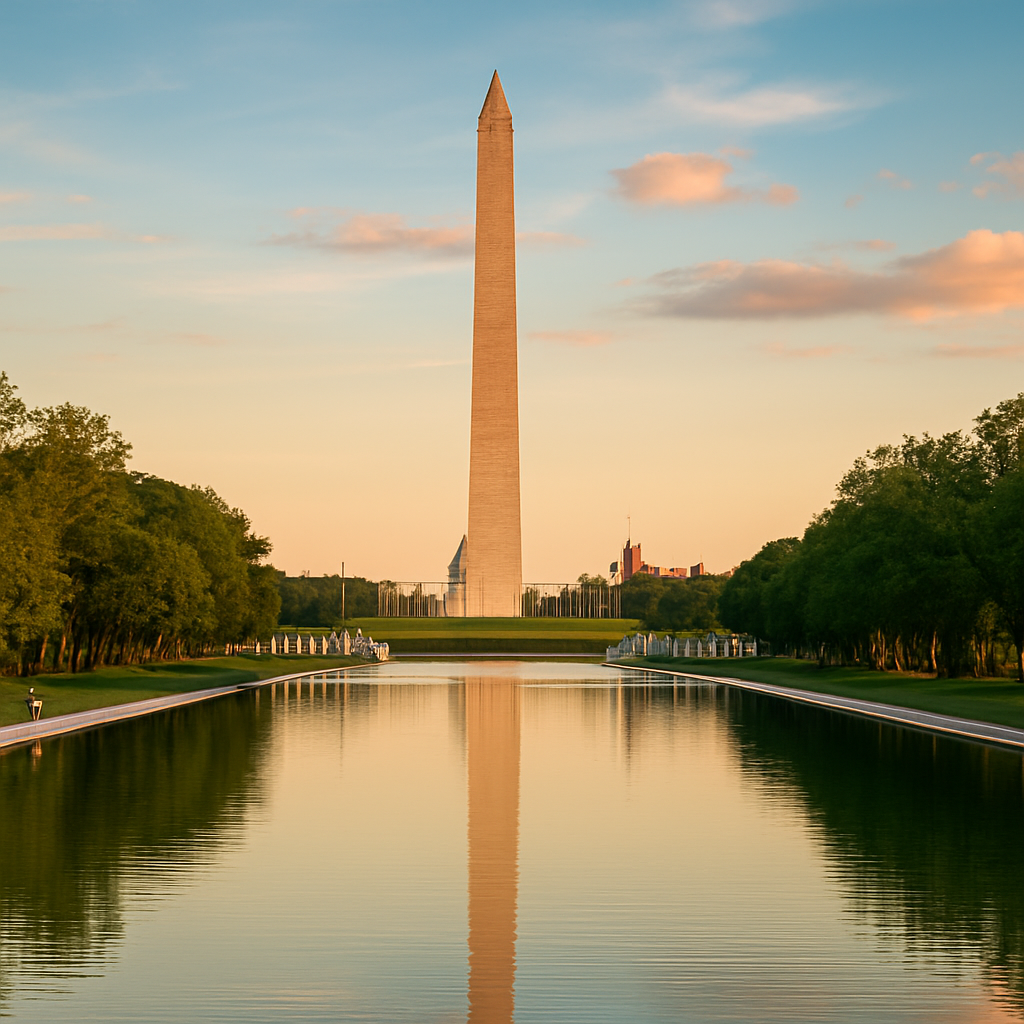
The National Mall & Free Smithsonian Museums
Nineteen free world-class museums along a 1.9-mile stretch, anchored by the Lincoln Memorial on one end and the Capitol on the other — and the Lincoln Memorial at night, when the crowds thin and the reflecting pool goes still, is one of the more quietly extraordinary experiences available in American public space. The National Museum of African American History and Culture alone is worth flying here for; book timed-entry tickets well in advance because walk-up availability is essentially a fantasy. The National Air and Space Museum, National Portrait Gallery, and National Gallery of Art are all walk-in and all genuinely extraordinary. Budget a full day; seriously consider two.
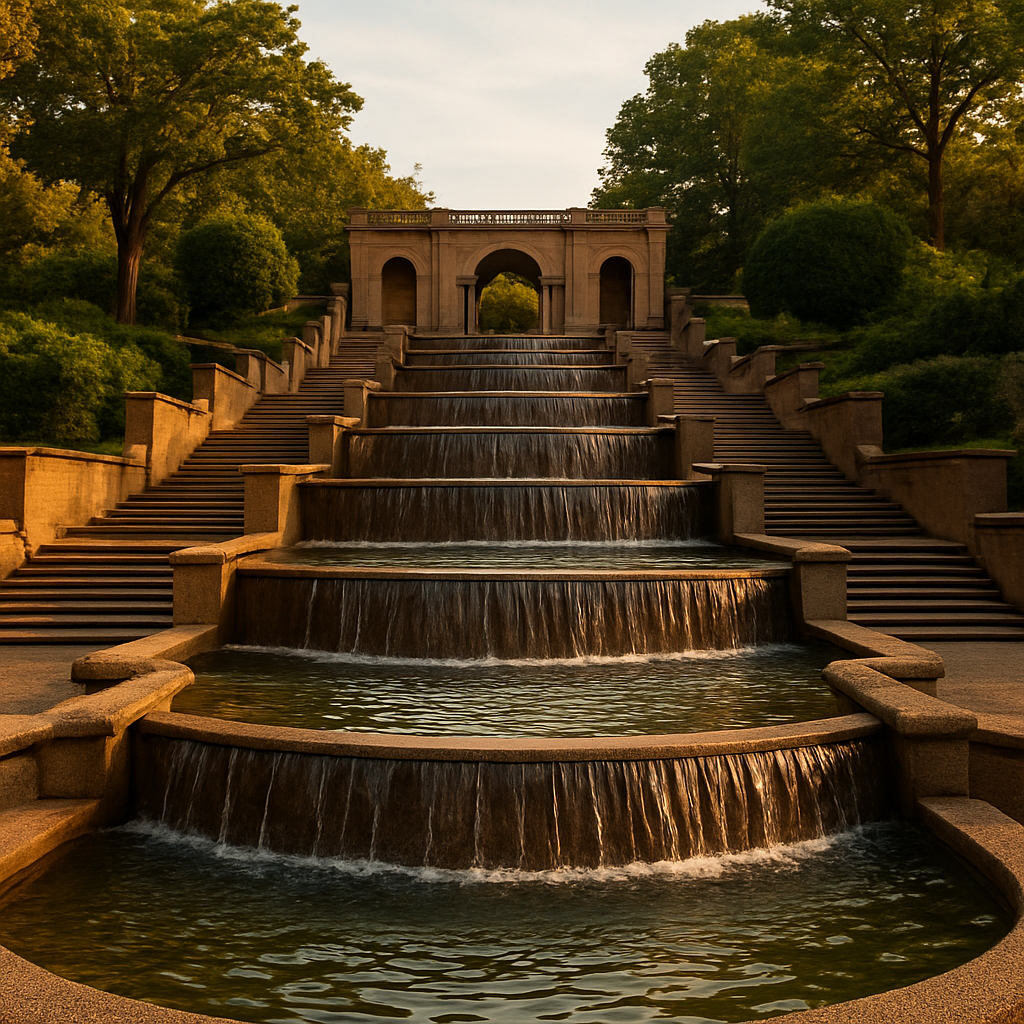
Meridian Hill Park on a Sunday
Every Sunday afternoon, Meridian Hill Park on 16th Street NW hosts a drum circle that has been running for decades — free, outside, beautifully chaotic, and the kind of place where you'll meet interesting humans you would never encounter inside a bar. The park itself is a stunning piece of landscape architecture: a cascading fountain, formal Italian-style terraces, and a hilltop position offering one of the better views of the city. Arrive around 3pm, find a spot on the grass, and let the afternoon organize itself around you.
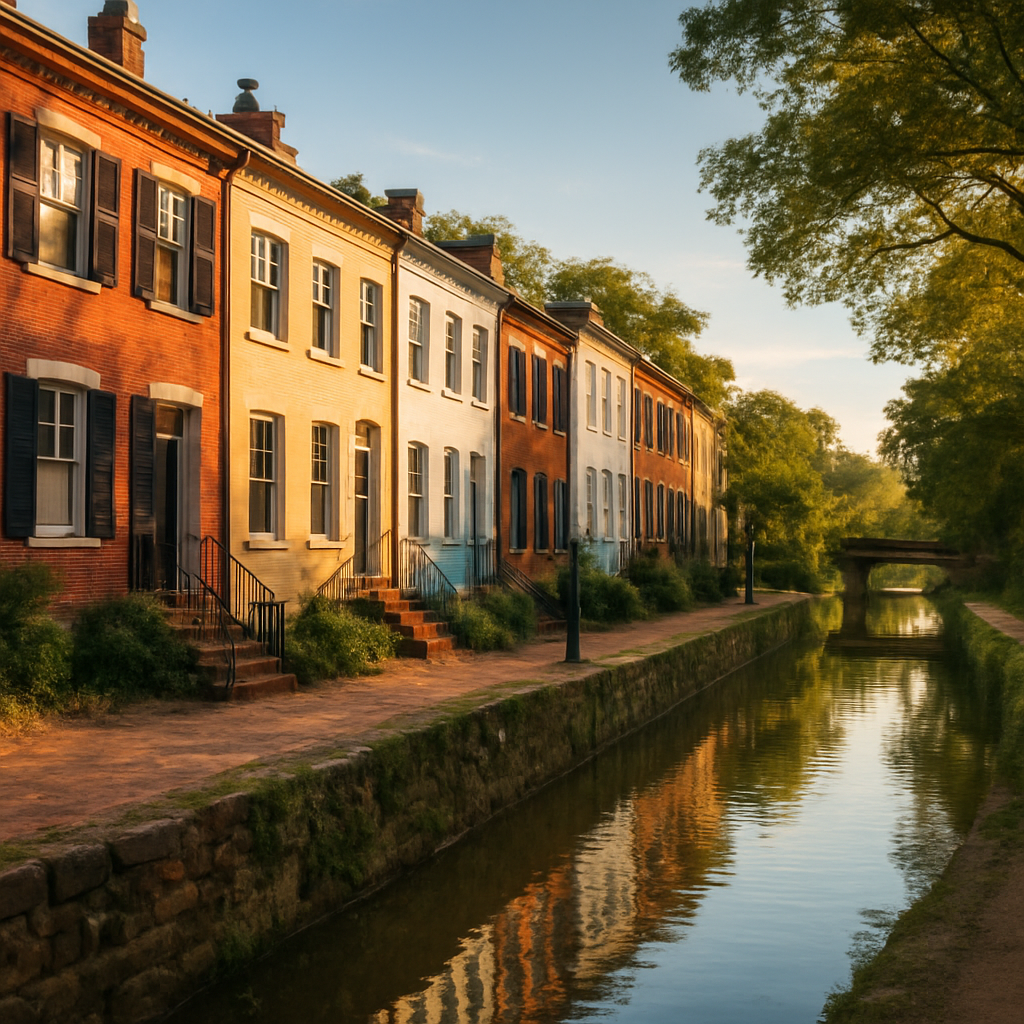
Georgetown: Walk, Eat, Wander
Georgetown predates the capital city itself, and its cobblestone streets and Federal rowhouses along M Street NW and Wisconsin Avenue NW are worth an afternoon even if you never go inside a shop. Walk down to the C&O Canal towpath for a flat, scenic stroll along the water. The Georgetown waterfront has good happy hours and serious people-watching. Catch the sunset from Key Bridge and you'll understand why people spend six figures on these zip codes.

Eastern Market, Capitol Hill
Eastern Market on 7th Street SE has been running since 1873 and on Saturday and Sunday mornings it is exactly what a city market should be: local produce, fresh flowers, hot crepes, and an outdoor flea market where you might buy something you absolutely don't need and feel great about it. Wander the surrounding Capitol Hill residential streets afterward — the Victorian rowhouses here are some of the most beautiful urban architecture in America.
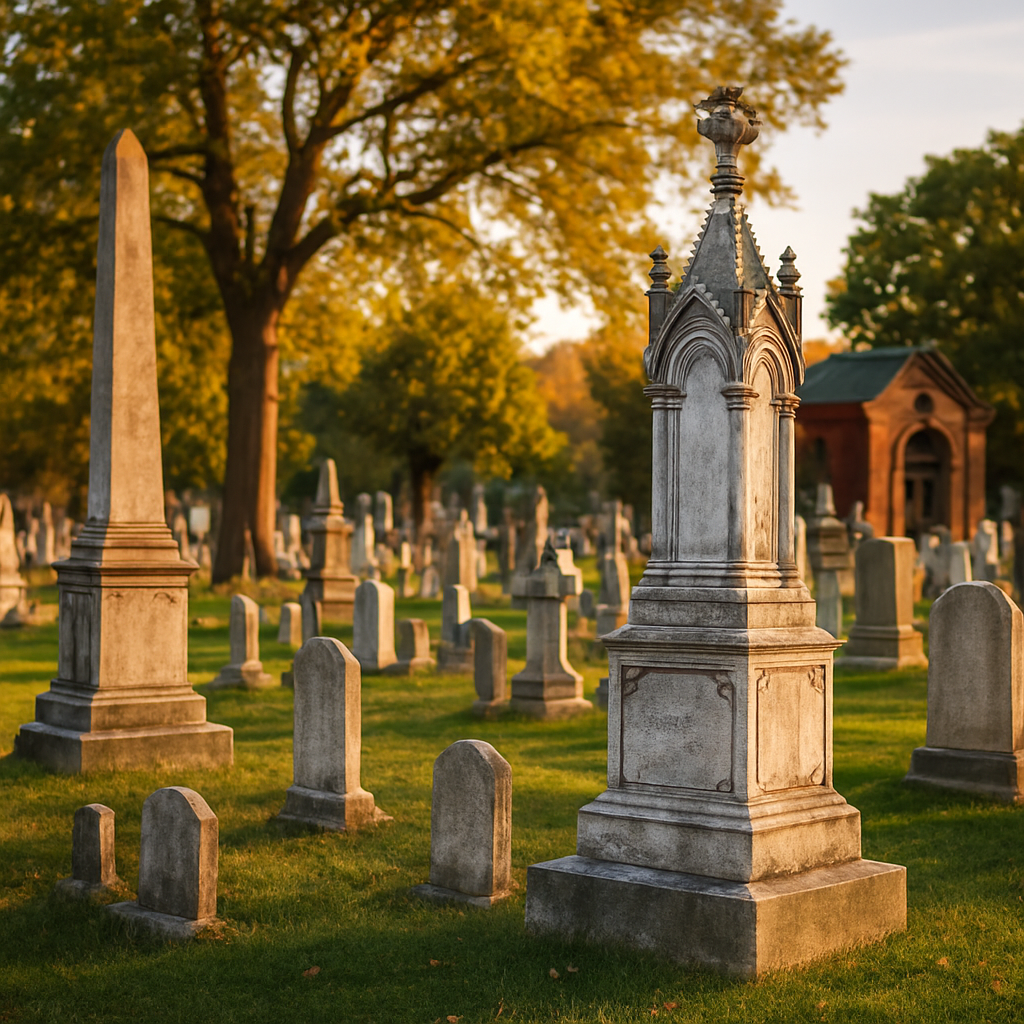
Congressional Cemetery
Congressional Cemetery near Capitol Hill is a genuinely moving American landmark — and a quietly significant queer one. The grave of Leonard Matlovich carries the inscription: "When I was in the military, they gave me a medal for killing two men and a discharge for loving one." J. Edgar Hoover is buried fifty yards away, which is historically ironic in a way the cemetery handles with admirable composure. It's an active, dog-friendly community space, and the history packed into these few acres is extraordinary.
The places I actually send people to
Advice that fits how you travel
Washington DC might be the single best city in the United States for solo queer travelers who want to actually meet people rather than just observe them. The key is Stonewall Sports DC — over 20,000 members, year-round leagues in kickball, bocce, bowling, and about fifteen other activities, and a social culture specifically designed to integrate new people. If you're here for more than a long weekend, joining a team is the fastest way to build a friend group in this city. It works better than any app, and I say that as someone who has tested both.
For bar-based solo nights, the 17th Street strip in Dupont is the easiest entry point — JR.'s is the kind of bar where it's completely normal to talk to strangers, the crowd rotates through all evening, and nobody will make you feel strange for sitting at the bar alone with a drink and something to say. Nellie's on U Street is equally solo-friendly: the energy is big enough that you can arrive without knowing anyone and leave with plans for tomorrow. Apps are active and functional in DC — this is a city full of young professionals who are very comfortable with that particular form of social logistics. The Sunday drum circle at Meridian Hill Park is worth knowing about as a daytime solo option: free, outdoors, beautifully chaotic, and reliably full of interesting humans.
Budget-wise, DC is uniquely generous to solo travelers willing to do their homework. Every Smithsonian museum is free. The Metro is affordable and covers everything you need. Happy hour deals in Dupont and on 14th Street are real and numerous — JR.'s in particular is one of the better value propositions in gay American nightlife. The HI Hostel near Shaw starts at $45/night for a dorm bed. You can do this city well on $80–$120/day if you're intentional about it, and the free museums alone make that math work.
DC is a legitimately romantic city if you approach it right, which means not trying to recreate a montage and instead letting the geography do the work. Start with the National Mall after 9pm — walk from the Lincoln Memorial to the Washington Monument when the crowds have thinned, the reflecting pool is still, and the city skyline glows behind the monument. It costs nothing and it lands harder than almost anything you'll pay for on this trip. Book dinner at Doi Moi on 14th Street afterward: small plates designed for sharing, great cocktails, and an atmosphere that's lively without being deafening.
PDA is unremarkable in the neighborhoods you'll spend most of your time in. Dupont Circle, Logan Circle, and U Street are all very high comfort — same-sex couples holding hands or kissing don't register as anything unusual here. Georgetown is moderate-high; it's a liberal neighborhood and generally comfortable, just less visibly queer-centric. For accommodation, the Kimpton Carlyle puts you right in the heart of Dupont Circle — walk everywhere, stumble home easily, wake up with good brunch options within two blocks. Eaton DC is the better pick if you want your stay to feel purposeful as well as comfortable.
The day trip to Annapolis is a genuinely excellent couples move: about an hour from DC, waterfront dining, oysters, the kind of slow afternoon a city trip rarely delivers. The C&O Canal towpath in Georgetown is a lovely flat walk if you want something quieter than the Mall. And if your timing overlaps with Cherry weekend in spring — DC's circuit party moment, strategically timed to coincide with cherry blossom season — the combination is extremely on-brand for this city and delivers a very specific kind of spectacular. Book accommodations four to six months out if that's the plan; the city fills up fast and the prices that remain are not polite.
DC is one of the most family-friendly destinations in the United States regardless of who's in the family, and for LGBTQ+ families specifically, the legal and cultural environment here is about as good as it gets. Same-sex adoption is fully legal, family structures are recognized without friction, and the neighborhoods you'll spend most of your time in have high LGBTQ+ residential populations — meaning your family won't be an anomaly in either the demographic or the legal sense. PFLAG National is headquartered here, and the organizational density of LGBTQ+ advocacy in DC means real community resources exist if you need them.
The practical case for DC with kids is almost unfairly strong: nineteen free Smithsonian museums, a free zoo, the National Mall as a vast public playground, and the kind of historical saturation that makes every walk educational without being tiresome. The National Air and Space Museum and the National Museum of Natural History are perennial kid favorites — the dinosaur hall alone justifies the trip. The Metro is stroller-accessible at most stations, though escalators can be unreliable; check WMATA's elevator status before you go. Eastern Market on Capitol Hill on a Saturday morning is excellent for families — outdoor space, food stalls, fresh produce, and a flea market that gives kids something to explore while you drink your coffee in peace.
Restaurant culture in DC is generally family-accommodating. Unconventional Diner in Shaw has the right combination of genuinely good food and a relaxed enough atmosphere that traveling with kids doesn't feel like a social transgression. The 14th Street corridor has several spots with outdoor seating that make the logistics easier. Budget for a family runs $180–$260/day on the budget end — primarily because the museums are free, which changes the math significantly. This is one of the few major cities in America where a family can have a world-class cultural experience without spending a world-class amount of money.
What Washington DC actually costs
Flights, visas, and the first 30 minutes
Airport: Ronald Reagan Washington National Airport (DCA) is the primary gateway for most domestic travelers and the most convenient option for getting into the city. Dulles International (IAD) handles more international traffic and is roughly 45 minutes out; BWI (Baltimore/Washington) is a budget carrier option about an hour away. DCA's direct Metro access makes it significantly easier than the alternatives — step off the plane, follow the signs, and you're downtown in 20 minutes.
Direct flight times: New York (JFK/LGA/EWR) — 1h 15m · Chicago (ORD) — 2h 15m · Los Angeles (LAX) — 5h 15m · London (LHR) — 8h 30m · Toronto (YYZ) — 1h 45m · Atlanta (ATL) — 1h 45m. DCA serves 90+ cities with direct routes; it's one of the best-connected airports in the country for domestic travel.
Visa requirements: US citizens — no visa required. UK, EU, Canada, and Australia — ESTA required (approximately $21, valid two years). Apply at the official US government ESTA portal before departure; approval is typically immediate but apply at least 72 hours out to be safe.
Metro (Blue/Yellow Line) — $2.25–$6.00, 20–30 min. DCA has direct terminal access to the Metro. This is the move for almost everyone — fast, cheap, and it drops you within walking distance of most hotels in the visitor corridor.
Taxi / Rideshare (Uber/Lyft) — $15–$30, 15–25 min. Traffic-dependent; Uber and Lyft are readily available curbside. A reasonable option if you have a lot of luggage or are arriving late.
SuperShuttle / Shared Van — $12–$18, 30–45 min. Shared rides mean multiple stops; book in advance for best rates and set your expectations on timing accordingly.
Rental Car — $40–$80/day. Downtown DC parking is expensive and the Metro covers everything you need. Unless you're planning multiple day trips, leave the car behind.
Traven's seasonal breakdown
The questions everyone asks
Is Washington DC safe for LGBTQ+ travelers?
What is Dupont Circle, and do I need to stay there?
When is Capital Pride, and how should I plan around it?
How much should I budget per day in Washington DC?
Is the Metro easy to use and does it run late?
Are there LGBTQ+ health resources available in DC?
What is the DMV, and why do locals use that term?
Screenshot this before you go
So should you actually go?
Washington DC belongs on the short list of cities where queer travelers aren't just welcomed — they're central to how the place understands itself. My Traven-Dex of 8.8 reflects a city with a 10.0 on Legal (full equality, no asterisks, no fine print), a queer scene that has grown beyond its historic Dupont Circle roots without losing them, and the kind of community infrastructure — Whitman-Walker Health, the DC Center, Stonewall Sports, an actual city government office dedicated to LGBTQ+ affairs — that signals something deeper than good PR. The monuments are extraordinary. The museums are free. The food is better than the city's reputation for food suggests. And the bars on the 17th Street strip and Nellie's rooftop on U Street are doing what the best bars always do: making the people inside them feel like they're exactly where they're supposed to be. Go. I mean that with no qualification.
Sources & Resources
Official links we reference when compiling this guide. Last verified 2026-03-05.
- Capital Pride Alliance
- DC Center for the LGBT Community
- Whitman-Walker Health
- SMYAL – Supporting & Mentoring Youth Advocates & Leaders
- Human Rights Campaign (HQ in Washington DC)
- Gay and Lesbian Activists Alliance of Washington DC
- ACLU of the District of Columbia
- DC Office of LGBTQ Affairs
- PFLAG National (Headquartered in Washington DC)
- Us Helping Us – HIV/AIDS Community Organization
- National Center for Transgender Equality
- Stonewall Sports DC