
West Hollywood is the only place on earth where you can valet park to go to a dive bar, and somehow that tells you everything.
West Hollywood is the only American city that literally voted itself into existence to be a gay city, and four decades later it's still cashing that check. That's the thesis. Everything else — the rainbow crosswalks, the bar density on a single mile of Santa Monica Boulevard, the Transgender Advisory Board, the sheriff's deputies who actually answer — flows from one founding decision in 1984 to incorporate as a self-governing municipality with LGBTQ+ residents holding the council pen. There aren't many places in this country where the legal infrastructure was built by us, for us. WeHo is one of them, and you can feel it the moment you step out of the Lyft at Trunks.
The contradiction is that all that polish has a price tag. WeHo is expensive, palm-lined, and unapologetically built for adults with credit cards — valet parking to go to a gay bar is a sentence I have written without irony. Locals will tell you the "real" queer LA has migrated east to Silver Lake and DTLA, and they're half right. Akbar at Sunset Junction is where the actually-cool kids drink on a Tuesday. But the mothership is still here, and on a Saturday night the mile between Doheny and La Cienega is the densest stretch of out gay life in Southern California — Micky's, Revolver, Beaches, Fiesta Cantina, Motherlode, all walkable in under ten minutes, none of them apologizing for what they are.
What surprises first-timers is the weight underneath the gloss. Walk twenty minutes south to the Matthew Shepard Human Rights Triangle in West Hollywood Park and you're standing in a memorial that exists because this city decided memorials like that should exist. Drive twenty minutes to the ONE Archives at USC — the largest LGBTQ+ collection on earth — and seeing Harvey Milk's actual papers will rearrange your brain a little. Then go to The Abbey on a Sunday afternoon with a Cucumber Watermelon Martini in your hand. Both are correct. WeHo earns the 9.5 on my Traven-Dex by being all of it at once — the politics, the archive, the patio, the Carnaval crowd of 500,000 in costume on October 31.
The pulse here is high, the chill is higher (I gave it a 9.8), and the legal floor is the only perfect 10.0 I'm handing out in the United States this year. As of 2026 the federal picture has gotten noisier and California has held the line — sanctuary state, self-ID, full marriage and adoption, anti-discrimination ordinances stacked on top by the city itself. WeHo isn't the most exciting LGBTQ+ destination on earth and it doesn't need to be. It's the most protected one in America, and that's a different kind of luxury entirely.
The stuff your travel guide buries on page 47
West Hollywood is one of the rare American cities that incorporated itself into existence to protect its LGBTQ+ residents — that happened in 1984, and the legal infrastructure built since is the reason my Traven-Dex gives this place a perfect 10.0 on Legal. As of 2026, California recognizes same-sex marriage, joint adoption, and self-ID for gender markers, and West Hollywood layers its own anti-discrimination ordinances on top of state law. The city operates under a progressive council, contracts its own sheriff's services, and maintains a Transgender Advisory Board — see the City of West Hollywood LGBTQ Resources hub for the official rundown.
The federal picture got noisier in 2025-2026, and some international LGBTQ+ trackers downgraded the US overall — but California has held the line as a sanctuary state for gender-affirming care, and WeHo specifically is about as protected as the law in this country gets. Equality California tracks the state-level picture in real time, and Lambda Legal's Western Regional Office is the org to know if anything goes sideways during your trip.
On the ground, this reads as completely relaxed. PDA on Santa Monica Boulevard isn't tolerated — it's the baseline. Rainbow crosswalks at San Vicente, hand-holding at brunch, kissing at the bar, all unremarkable. WeHo is its own city, not part of LA proper, and that distinction matters when you're picking a hotel — you want to be inside the city limits, not three miles east.
Pro tip: Parking on Santa Monica Blvd will ruin your night faster than a bad DJ. Use the city lots on San Vicente or just take a Lyft from your hotel. Trust me on this.
What it actually feels like on the ground
Holding hands and PDA in Boystown: Completely unremarkable along Santa Monica Boulevard between Doheny and La Cienega. Couples kiss at crosswalks, on patios, at brunch, in line for Micky's. The same is true on Robertson around The Abbey. This is the densest stretch of out queer life in Southern California and you should treat it accordingly.
Hotel check-in: Zero issues at any property in or adjacent to WeHo, especially the host hotels for Pride (Le Parc, The London, Chamberlain). One bed, two guys, no flicker.
Taxis and rideshare: Uber and Lyft are the default and drivers won't blink at any pickup point on Santa Monica Blvd. Surge pricing is brutal between 1:30 and 2:30am — the 4 and 704 Metro buses run the boulevard 24 hours and connect WeHo to Downtown if you're trying to dodge a $40 three-mile ride.
Drink safety on the boulevard: Drink-spiking warnings circulate every summer in Boystown. Bartenders at Fiesta Cantina and Rocco's are vigilant about lids and watching tabs, but keep your hand over your glass on the open patios. It's a real and recurring issue and worth taking seriously even in a city this welcoming.
Late night walks: The walk from Boystown back to hotels in the residential blocks south of Santa Monica is well-lit and generally fine. The alleys behind the bars are not where you want to take a phone call. Stick to the boulevard and you're golden.
If something happens: The WeHo Sheriff's Station has dedicated LGBTQ+ liaison deputies and they actually respond. Bar staff will call them and it will be taken seriously. This is not the case three miles in any direction.
Trans travelers: California has among the strongest trans protections in the US as of 2026 — self-ID for gender markers, sanctuary status for gender-affirming care, all-gender restrooms across WeHo. For health needs during your stay, the Los Angeles LGBT Center on McCadden Place in Hollywood and the Trans Wellness Center on Wilshire are both walk-in friendly and explicitly serve travelers, not just residents.
HIV care, PrEP refills, and sexual health: If you need anything during your trip, APLA Health and the AIDS Healthcare Foundation both run accessible clinics in the area with same-day options.
The queer geography
Boystown (Santa Monica Boulevard, Doheny to La Cienega)
This is the engine room — about a mile of Santa Monica Boulevard where rainbow crosswalks mark the intersections and the bars line up shoulder to shoulder. The architecture is low-slung 1970s and 80s commercial, palm trees overhead, sidewalks wide enough for the Halloween Carnaval crowd of 500,000 that takes the street every October 31. By day it's coffee shops, gyms, and outdoor patios at Basix Cafe. By night it's Trunks, Revolver, Micky's, Beaches, Fiesta Cantina, and Motherlode — you can walk the entire crawl in under ten minutes, and nobody Ubers three blocks here without judgment. The corridor's been the scene since West Hollywood incorporated in 1984 specifically to govern itself this way. Visit West Hollywood keeps the official event calendar.
Robertson Boulevard / Design District
South of Santa Monica Blvd, Robertson narrows into a stylish low-rise stretch of boutiques, design showrooms, and sidewalk dining. The Ivy's white picket fence still anchors the south end, Cecconi's sits at the Melrose corner, and the Pacific Design Center's Cesar Pelli "Blue Whale" rises six blocks north. The Abbey has lived on Robertson since 1991 — the gothic-arched outdoor patio is a cliché and you should still do it once, ideally Sunday afternoon with a Cucumber Watermelon Martini. Adjacent is Tortilla Republic for tequila before you cross into the bars. The MOCA Pacific Design Center satellite is free and worth twenty minutes if there's a show on.
Sunset Strip
One block north and a different city. Sunset Boulevard from Doheny to La Cienega is the famous mile of music-history landmarks — the Whisky, the Roxy, the Viper Room, the Rainbow Bar & Grill (rock and roll, not LGBTQ+, but a 1972 institution worth a beer). The hotels are the draw: the 1929 Art Deco Sunset Tower, the Mondrian's Skybar, the Pendry, the Andaz of Riot House infamy, and the 1 Hotel. Eveleigh's patio looks down on the Strip; Joey's rooftop catches the Hollywood Hills. The Andaz pool parties on Sunday afternoons are a fixture of WeHo summer culture and the closest thing the city has to a legal afterhours scene.
Plummer Park / East WeHo
The eastern end of the city, anchored by Plummer Park, reflects WeHo's significant Russian-speaking immigrant population — Cyrillic signage, samovar cafes, and the city's senior LGBTQ+ programming all share the same blocks. Bar Lubitsch nearby is Russian-themed cocktails and a back-room DJ space. The energy here is residential and lower-key than the Boulevard — locals doing laundry, walking dogs, hitting AA meetings at the park. The Christopher Street West / LA Pride organization has roots that run through this neighborhood's community infrastructure.
Silver Lake (worth the cab east)
Eight miles east of WeHo, Silver Lake is the bohemian counterweight — hilly, walkable, full of vintage shops, third-wave coffee, and Mexican food worth crossing town for. Akbar at Sunset Junction is where the actually-cool kids drink on a Tuesday, and the scene leans more lesbian, non-binary, and DIY than WeHo's polished mothership. Lesbians and queer women, especially: most folks head to Ruby Fruit here or the rotating Cuties pop-ups, because WeHo skews heavily male. The leather and bear scene also lives east — The Eagle LA in Silver Lake and Faultline in East Hollywood are where you go for actual gear nights. The largest LGBTQ+ archive on earth, the ONE Archives, sits at USC twenty minutes south — free admission, and seeing Harvey Milk's actual papers will rearrange your brain a little.
The experiences worth rearranging your itinerary for
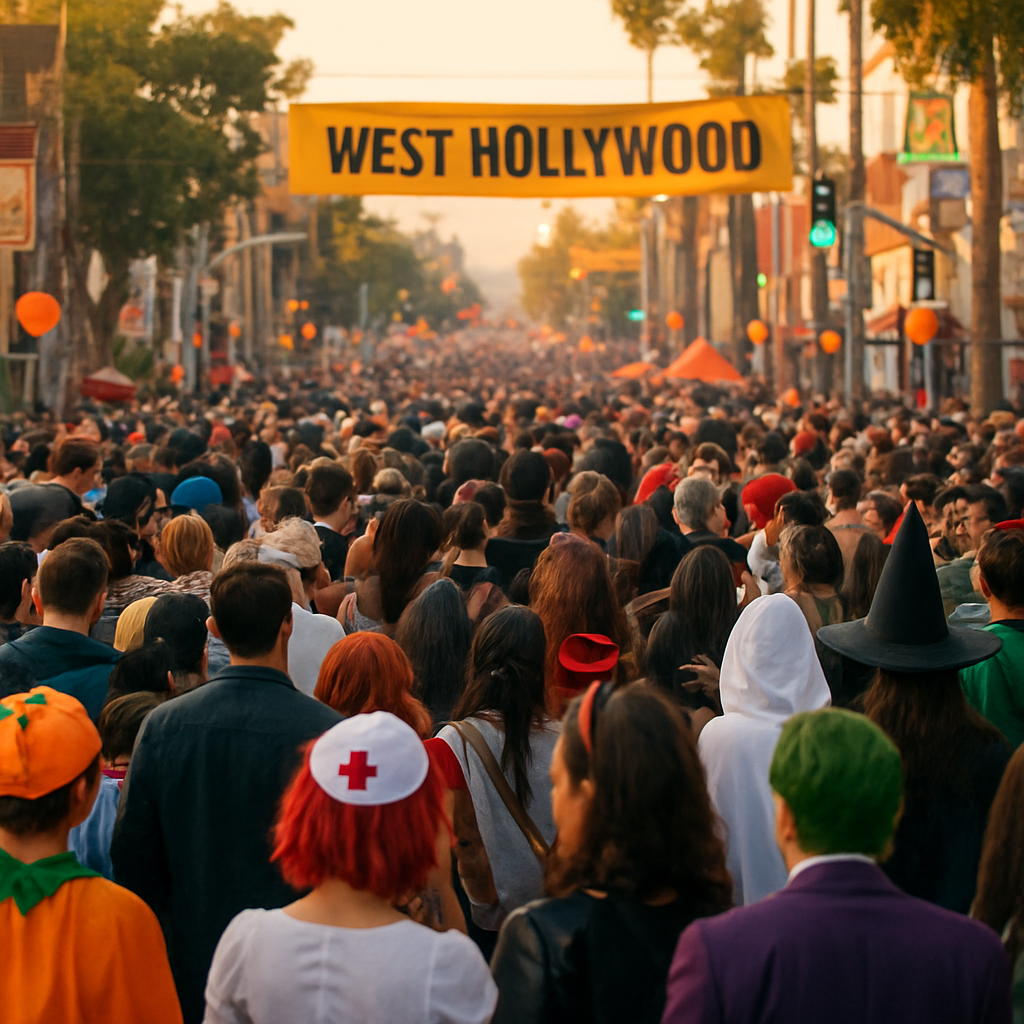
Halloween Carnaval on Santa Monica Boulevard
Every October 31, West Hollywood shuts down a mile of Santa Monica Boulevard and approximately 500,000 people in costume take it over. It's free, it's the single biggest night of the WeHo calendar, and it's the kind of street party that makes a city feel like itself in a way no daytime visit can match. Book your hotel by August or you're sleeping in Burbank — I'm not exaggerating.

A Cocktail at the Tower Bar
The 1929 Sunset Tower is a National Register Art Deco landmark with one of the best hotel bars in the city — dim, intimate, lined with photos of the building's century of residents. Order a Manhattan, sit at the bar, watch whoever's currently being papped get walked to a corner booth. The Vanity Fair Oscar after-party still happens here every March, which tells you everything about the room's ongoing pull.
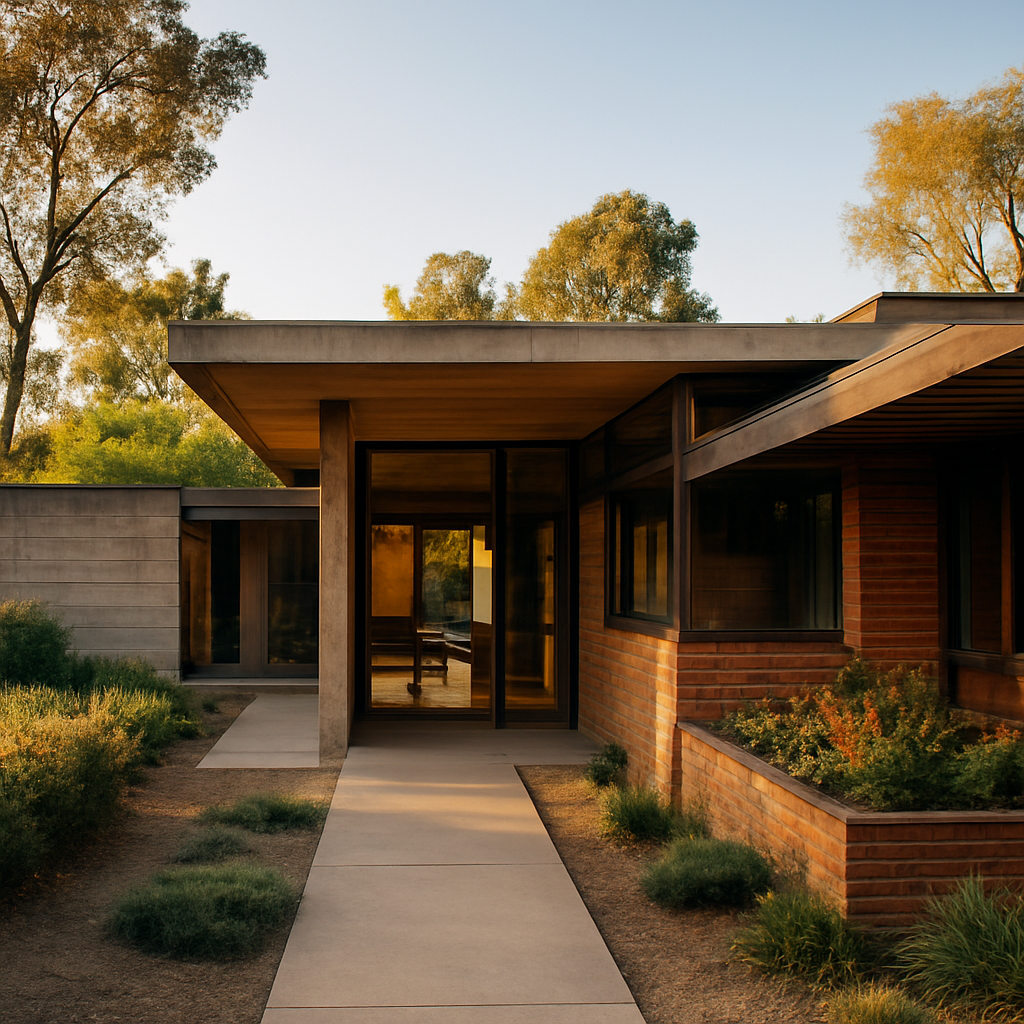
An Hour Inside the Schindler House
Rudolph Schindler designed and built this house in 1922 as his own residence and studio, and it quietly became one of the foundational works of modern American architecture. Today it operates as the MAK Center for Art and Architecture, with rotating exhibitions and a quiet, almost meditative atmosphere most WeHo tourists never experience. National Register listed, low-cost admission, and a complete reset from the boulevard.
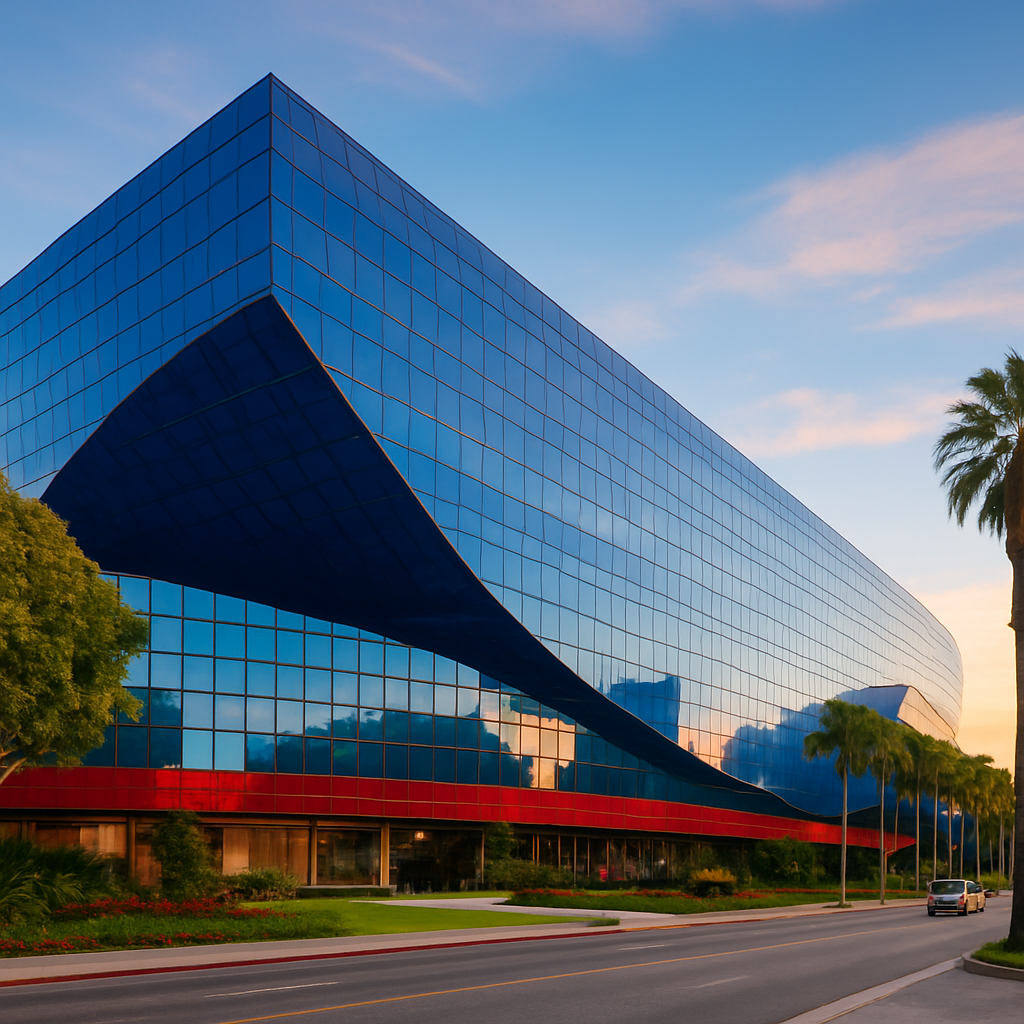
Free MOCA Inside the Blue Whale
Cesar Pelli's Blue Whale Pacific Design Center opened its first building in 1975 and remains one of the great postmodern statements in the city. The MOCA satellite inside is free and shows rotating contemporary work — twenty minutes well spent on the way to or from anywhere else in WeHo. The building exterior is half the experience.
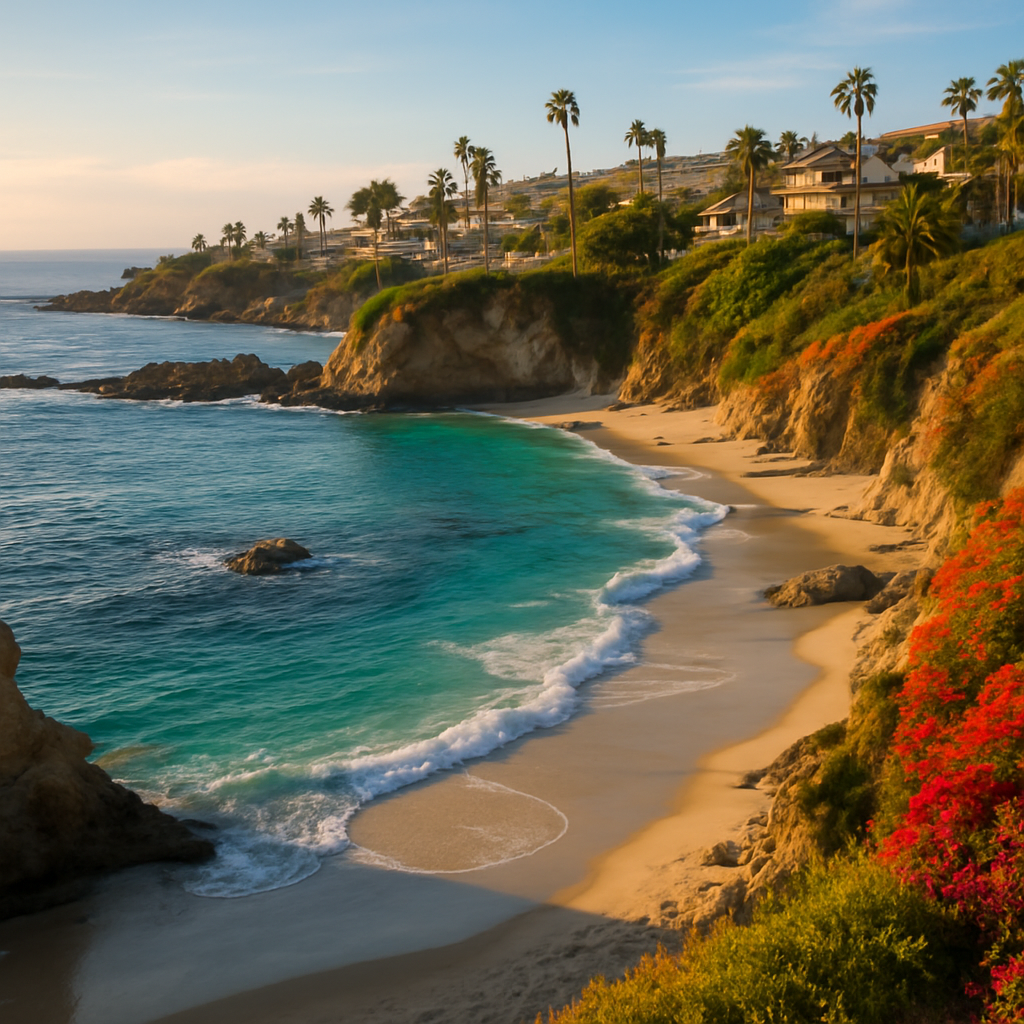
A Day on the Laguna Coast
Sixty miles south of WeHo, Laguna has been a working art colony and a coastal LGBTQ+ enclave since the 1950s. Spend the morning at one of the cove beaches, walk the gallery-lined Pacific Coast Highway, and stay for a sunset margarita on a patio overlooking the water. If you time it for July or August, the Pageant of the Masters — a live-staged tableaux of famous paintings — is one of the strangest and most charming traditions in California.
The places I actually send people to
Advice that fits how you travel
Solo in WeHo is one of the easiest LGBTQ+ travel experiences I can recommend on this continent. The bars are walkable, the crowds are friendly, and the geography does the work for you — drop into Trunks for a cheap drink at 8pm, end up at Micky's by midnight, and you'll have talked to a dozen people without trying. The apps run hot here, especially during Pride and Halloween Carnaval, and the etiquette skews more direct than coastal cities further north. Single travelers blend right in — nobody in this city assumes you're alone for a sad reason.
Stay in Boystown if it's your first trip — the Chamberlain at around $275/night is the price-to-location sweet spot, and you can walk home from any bar in under ten minutes. A moderate solo budget runs $320-480/day with a boutique hotel and dinners out; a budget trip closer to $165-220/day if you can do hostel-adjacent and lean on the 4 and 704 Metro buses, which run Santa Monica Boulevard 24 hours and bail you out when surge pricing kicks in at 1:30am.
Pro tip: Tipping at WeHo bars runs $2-3 per drink minimum — bartenders here remember faces, and a generous round one buys you the rest of the night. And if you want to escape the polish for a night, take a Lyft east to Akbar at Sunset Junction in Silver Lake — that's where the actually-cool kids drink on a Tuesday, and it leans more lesbian, non-binary, and DIY than WeHo's mothership.
Same-sex couples have it about as easy in WeHo as anywhere on earth. PDA on Santa Monica Boulevard between Doheny and La Cienega is the baseline, not the exception — hand-holding, kissing at the rainbow crosswalks, brunch hand-on-thigh, none of it registers. Hotel check-in is a non-event at any property in or adjacent to the city; one bed, two guys, no flicker, especially at the Pride host hotels like The London, Le Parc, and Chamberlain.
For romance, my move is the Sunset Tower at around $425/night for the Art Deco bones and the Tower Bar nightcap — Jeff Klein, the openly gay hotelier who restored it in 2005, has built one of the most adult drinking rooms in the city. Dinner at Eveleigh on the Strip is the date-night recommendation I give without hesitation — wraparound patio, Cal-Mediterranean, two hours where you forget about your phone. Closer to the bars, Pump's garden patio under century-old olive trees is unreasonably pretty, and Sunday afternoon at The Abbey with a Cucumber Watermelon Martini is the cliché you should still do once.
For an overnight escape, drive sixty miles south to Laguna Beach — a coastal LGBTQ+ enclave since the 1950s, with West Street Beach as the recognized gay beach and a soft sunset on a patio overlooking the water. A moderate couples budget runs $480-720/day; luxury at the Pendry or Sunset Tower pushes well past $1,100. Either way, you're in the right city for it.
LGBTQ+ families are fully recognized under California law as of 2026 — same-sex marriage, joint adoption, second-parent adoption, and self-ID for gender markers are all settled at the state level, and West Hollywood layers its own anti-discrimination ordinances on top. Two moms, two dads, blended families, trans parents — none of it raises an eyebrow at school admissions, pediatrician offices, or hotel check-in. The state holds the line as a sanctuary for gender-affirming care for minors, and Children's Hospital LA's Center for Transyouth Health is one of the leading programs in the country if you need care during your stay.
WeHo itself is a small, walkable city built around adults, so the family stay is usually about positioning — Le Parc Suite Hotel and Chamberlain both offer all-suite layouts that work for kids, and the Kimpton La Peer in the Design District is genuinely family-friendly with the Kimpton brand's track record on inclusive service. Day-wise, the Schindler House (low-cost MAK Center admission) and free MOCA inside Cesar Pelli's Blue Whale Pacific Design Center are both kid-tolerable and parent-rewarding. Plummer Park has playgrounds and weekend programming, and the Beverly Center is your air-conditioned bailout when the August heat hits 90°F.
For real kid-day energy, build out from WeHo: Griffith Observatory, the Natural History Museum, Santa Monica Pier, and the beach at Santa Monica are all 20-40 minutes away, and a day trip up to Santa Barbara works beautifully for older kids who can handle the 95-mile drive. A moderate family budget lands around $700-1,100/day with a 2BR suite or Airbnb, $380-540/day if you're traveling tighter. Strollers handle the WeHo sidewalks fine, kid menus are universal, and stroller-rolling into Hamburger Mary's for drag brunch is a coming-of-age experience some kids will remember forever.
What West Hollywood actually costs
Flights, visas, and the first 30 minutes
Airport: Los Angeles International (LAX) is your gateway, roughly 12 miles southwest of West Hollywood. Approximately 150 direct routes serve LAX from across the US, Latin America, Europe, Asia, and Oceania — it's one of the most connected airports in the country, so getting here is rarely the hard part. Burbank (BUR) is sometimes a smarter play if you're flying from the West Coast — it's closer to WeHo and far less chaotic.
Visa requirements (as of 2026): US travelers typically need no documents beyond a valid ID for domestic travel. Canadian visitors generally don't need a visa and can stay up to six months. UK, EU, and Australian travelers typically need an approved ESTA for visa-free entry of up to 90 days — apply online at least 72 hours before departure, though most approvals come back within minutes. The federal entry climate has gotten noisier in 2025-2026; check current State Department guidance close to your travel date, especially if you're trans and your passport gender marker doesn't match other documentation.
LAX to West Hollywood:
Rideshare (Uber/Lyft): $45-70, 30-60 minutes depending on traffic. Pickups happen at the LAX-it lot via free shuttle — don't try to game it, just take the shuttle. Surge pricing is brutal at peak arrival hours.
Taxi: $60-85, 30-60 minutes. Meter only — there's no flat rate to WeHo. Generally not worth it over rideshare.
Private car service: $95-150, 30-60 minutes. Pre-booked black car with meet-and-greet at baggage claim. Worth it after a red-eye or with a group.
FlyAway Bus + rideshare: $12-25, 60-90 minutes. The FlyAway runs to Union Station, then it's a Lyft or Metro transfer to WeHo. Cheap and surprisingly painless if you're traveling light.
Rental car: $50-120/day. WeHo is car-friendly in the sense that the city is built around them, but parking is tight and pricey — expect $40-60/night at hotels. Skip the rental unless you're doing day trips to Palm Springs, Laguna, or Santa Barbara.
Pro tip: The 4 and 704 Metro buses run Santa Monica Boulevard 24 hours and connect WeHo to Downtown — surprisingly useful at 2am when surge pricing kicks in. The Purple Line subway extension to La Cienega is finally close to opening, which will change the calculus entirely once it's live.
Traven's seasonal breakdown
The questions everyone asks
Is it safe to hold hands in West Hollywood?
Do I need a car in WeHo?
How much should I budget per day?
When is Pride in West Hollywood?
Are there afterhours clubs in WeHo?
Where do lesbians and queer women go in WeHo?
Is West Hollywood part of Los Angeles?
Screenshot this before you go
So should you actually go?
Go. WeHo isn't a discovery and it isn't trying to be — it's the LGBTQ+ capital of Southern California, and after 9.5 on my Traven-Dex and the only perfect 10.0 on Legal I'm giving out in this country right now, I have zero hesitation sending you. Stay inside the city limits, walk the mile of Santa Monica Boulevard at least once on a Saturday night, give The Abbey its Sunday afternoon, then take a Lyft east to Silver Lake for a night to see the other side of queer LA. If you can swing Halloween Carnaval or Pride weekend, do it once in your life — book by February. This is the easiest, most protected, most legible LGBTQ+ trip you can take in America, and you will not regret a single hour of it.
Sources & Resources
Official links we reference when compiling this guide. Last verified 2026-05-04.
- AIDS Healthcare Foundation
- APLA Health
- Children's Hospital LA — Center for Transyouth Health
- Christopher Street West / LA Pride
- City of West Hollywood — LGBTQ Resources
- Equality California
- Lambda Legal — Western Regional Office
- Los Angeles LGBT Center
- ONE Archives Foundation
- Stonewall Democratic Club
- Visit West Hollywood