Montevideo got marriage equality before most of the world learned the word 'ally' — and then went back to drinking mate on the waterfront like it was nothing.
Montevideo doesn't announce itself. There's no neon-signed gay village, no rainbow crosswalks demanding your attention. Instead, you're sitting in a Palermo bar on Calle Jackson at 2am — because nothing here starts before 1am, and you've learned to stop fighting it — and you realize the queer life in this city isn't cordoned off into its own little theme park. It's just… there. Woven into the neighborhood fabric, indistinguishable from actual city life. A couple sharing mate on La Rambla at sunset, a drag queen setting up at Chains Club while you're still digesting the best asado of your life, a Sunday afternoon in Parque Rodó where the crowd skews noticeably queer-friendly and nobody's performing it for anyone's benefit.
Uruguay legalized same-sex marriage in 2013, passed a landmark trans rights law in 2018, and secured adoption equality years before countries ten times its size even started the conversation. My Legal score of 10.0 reflects what you already suspected: this tiny country got it right first. But here's what surprised me — Montevideanos aren't smug about it. They're almost bored by it. Don't mistake that for indifference. They're just used to living somewhere that treats queer existence as unremarkable, which is, frankly, the most radical thing a country can do.
The Marcha de la Diversidad in late September is the exception to that cool composure. Hundreds of thousands pour down Avenida 18 de Julio in what is genuinely one of Latin America's largest Pride marches — not a corporate float parade, but a massive, political, joyful street takeover. If your travel dates have any flexibility at all, build your entire trip around it. There's a reason my Traven-Dex sits at 8.1 for this city: the legal protections are world-class, the cultural temperature is warm, and the scene — while intimate — rewards you for showing up with the kind of authentic, integrated nights out that bigger cities can't manufacture.
The trade-off? Montevideo's queer scene is smaller than Buenos Aires or São Paulo. You won't find a dozen clubs to choose from on any given night. What you will find is a city where your queerness is the least interesting thing about you to the person pouring your vermut at Bar Facal, a 130-year-old watering hole that has survived dictatorships, economic collapses, and the invention of craft beer without changing its floor tiles. That kind of unbothered acceptance is harder to find than a packed dance floor, and it's worth the flight.
The stuff your travel guide buries on page 47
Legal framework: Uruguay holds what is arguably the most comprehensive LGBTQ+ legal framework in the Americas. Same-sex marriage has been legal since 2013. Same-sex adoption is fully legal with equal parental recognition. Anti-discrimination protections are comprehensive, covering employment, housing, healthcare, and public services. The country's Ley Trans (No. 19.684), enacted in 2018, provides legal gender self-identification without medical or surgical requirements — and went further by establishing reparations for state violence against trans people during the 1973–1985 dictatorship. This is not performative legislation. It has teeth.
Cultural reality: The laws reflect genuine social consensus in Montevideo. This isn't a capital city that's progressive while the rest of the country seethes — Uruguay is a small, urbanized country where Montevideo holds roughly half the national population, and progressive attitudes on sexuality and gender identity are mainstream rather than exceptional. Younger Uruguayans, especially in the central neighborhoods, treat LGBTQ+ identity with a matter-of-factness that can feel almost startling if you're coming from a place where it's still a subject of debate. Older generations and outer suburbs are more conservative, but you're talking about a difference in enthusiasm, not hostility.
PDA comfort: In Pocitos, Punta Carretas, and the residential neighborhoods with the highest concentration of LGBTQ+ community presence, same-sex PDA is broadly accepted day and night. In Ciudad Vieja, the tourist-heavy historic core, PDA is widely tolerated — more mixed demographic after dark on peripheral streets, but nothing approaching a safety concern. Along La Rambla, you're fine in busy stretches; isolated sections after dark warrant the same awareness you'd apply anywhere. Outer suburbs and bus terminals: not illegal, generally tolerated, but a lower-profile approach is practical.
Language note: Rioplatense Spanish has its own personality — Uruguayans use vos instead of tú and a distinctive 'sh' sound where you'd expect a 'y.' Even a small effort with the local cadence goes an enormous way in Palermo bars, where people appreciate that you're not treating the city like a Buenos Aires annex.
Nightlife timing: I need you to hear this clearly — showing up to Pussycat Bar before 1am means you're essentially helping them set up chairs. Nightlife here starts unconscionably late even by Latin American standards. Plan a long asado dinner first, or you'll be standing in an empty room feeling very, very gringo.
Local resources: Ovejas Negras, the city's main LGBTQ+ advocacy organization, is genuinely community-focused and welcoming to visitors. They're a solid first contact if you want to plug into local queer organizing, need health resources, or just want to know what's actually happening on the ground that particular week. The Instituto Nacional de Derechos Humanos (INDDHH) handles discrimination complaints if you ever need it — you almost certainly won't.
What it actually feels like on the ground
Holding hands: Genuinely unremarkable in most of central Montevideo. I've clocked zero double-takes on La Rambla, in Parque Rodó, or along Calle Jackson in Palermo. The further you venture from the center, the more you should read the room, but this is about as relaxed as anywhere in South America.
Hotel check-in: A non-issue at every price level. Same-sex couples booking double rooms will not encounter raised eyebrows at the Radisson on Plaza Independencia, the Sofitel in Carrasco, or the Ibis in Centro. Uruguay's anti-discrimination framework covers accommodation explicitly.
Taxis and rideshare: Uber operates reliably in Montevideo and is your safest bet for late-night transport. Remises (fixed-rate private cars) are also solid. Flagging random taxis at 3am outside clubs is less predictable — use the app. The ride from Palermo to Ciudad Vieja is about ten minutes, and there is zero reason to walk it alone in the dark.
Beaches and public spaces: La Rambla and the city beaches are public social infrastructure — used by everyone, at all hours. Same-sex couples are part of the normal landscape, particularly in Pocitos and Punta Carretas. Isolated stretches of the Rambla after dark warrant standard urban awareness, not specific LGBTQ+ concern.
Late night: Montevideo's queer nightlife runs very late — 2am to 6am is prime time. Stick to Ciudad Vieja and Palermo after midnight for the best combination of active streets and venue proximity. The walk between neighborhoods at 4am is not recommended solo; Uber is cheap and reliable.
Trans travelers: Uruguay's Ley Trans provides some of the strongest legal protections in the world, including self-ID gender recognition without medical requirements. That said, trans women — particularly those who are visibly trans — report meaningfully more street harassment than gay cis men, especially late at night outside the center. Sticking to Ciudad Vieja and Palermo after midnight, and using apps to call remises rather than flagging random taxis, is the practical wisdom you'll hear from locals themselves.
Verbal harassment: Rare in central neighborhoods. Not unheard of in outer suburbs, bus terminals, or the port area late at night. Context is everything — you're dealing with low-level catcalling or comments at worst, not threats. The social consensus in Montevideo is firmly on your side.
Marcha de la Diversidad / Pride: The September march along Avenida 18 de Julio is massive and joyful, but the enormous crowds are prime pickpocket territory. Front pockets, closed bags, and basic situational awareness are all you need. Uruguay's police are not the threat they can be elsewhere in the region — they're there for crowd management, not harassment.
The queer geography
Palermo
This is your ground zero. Barrio Palermo is Montevideo's most reliably LGBTQ+-friendly neighborhood, where queer bars cluster around Calle Jackson and Bulevar España. The scene isn't separated from everything else — you'll find vintage shops, indie restaurants, and your taxi driver's cousin's empanada place all mixed in. Pussycat Bar, Kaos Montevideo, and Club de Toby anchor the late-night circuit. Thursday through Saturday is when it pulses; don't bother with Tuesday. The crowd is mixed, the energy is warm, and the drinks are startlingly affordable. Pro tip: a full night of drinks, dancing, and a late chivito in Palermo will run you a fraction of what the same evening costs across the river in Buenos Aires.
Ciudad Vieja
The cobblestoned historic district plays a different card. This is the artsy, bohemian layer — spots near Calle Sarandí and Cine Bacacay attract a more culturally mixed crowd and open earlier if you want to ease into the evening like a civilized person. Bar Fun Fun, La Farmacia Bar, and El Lobby Bar give you options that aren't specifically queer but are deeply queer-friendly. The Centro Cultural de España en Montevideo consistently programs queer film, performance, and visual art — it's where you'll actually meet local LGBTQ+ artists and intellectuals rather than just other tourists.
Cordón
Barrio Cordón sits between Palermo and Ciudad Vieja and has become increasingly popular with queer residents for its bohemian café culture and walkability. The Feria de Tristán Narvaja on Sunday mornings draws a wonderfully mixed, queer-friendly crowd, and the surrounding cafés along Calle Tristán Narvaja are perfect for a slow cortado and exactly the kind of unplanned conversation that makes a city feel real.
Pocitos
The upscale beachside option. Pocitos has a growing cluster of LGBTQ+-friendly cafés and low-key bars — more polished, more cheto, less scruffy than the Palermo circuit. Rambla de Pocitos on a Saturday morning is a social runway. Chains Club anchors the nightlife here. If you want beach proximity, brunch culture, and a slightly more curated evening, this is your neighborhood.
Parque Rodó
Not a bar district — something better. This leafy central park adjacent to several queer venues functions as an easygoing daytime gathering spot, with a noticeably queer-friendly crowd on Sundays. Locals bring their mate thermos, there's often live music, and the energy is unself-conscious in a way that you have to just sit in to appreciate. It's one of the great free pleasures of this city.
The experiences worth rearranging your itinerary for

The 4am Chivito Completo
This is not a suggestion — it's a municipal obligation. The chivito completo is Uruguay's national steak sandwich: a full cut of beef piled with ham, mozzarella, bacon, fried egg, lettuce, tomato, and whatever else the cook feels like adding that night. The 24-hour joints near Palermo and Ciudad Vieja understand the assignment completely — these places exist specifically because the clubs let out at 4am and everyone is starving. Order it with everything. Do not apologize. The texture contrast of crispy bacon against molten cheese against a perfectly cooked egg at that hour is a religious experience that no Michelin restaurant has ever replicated.
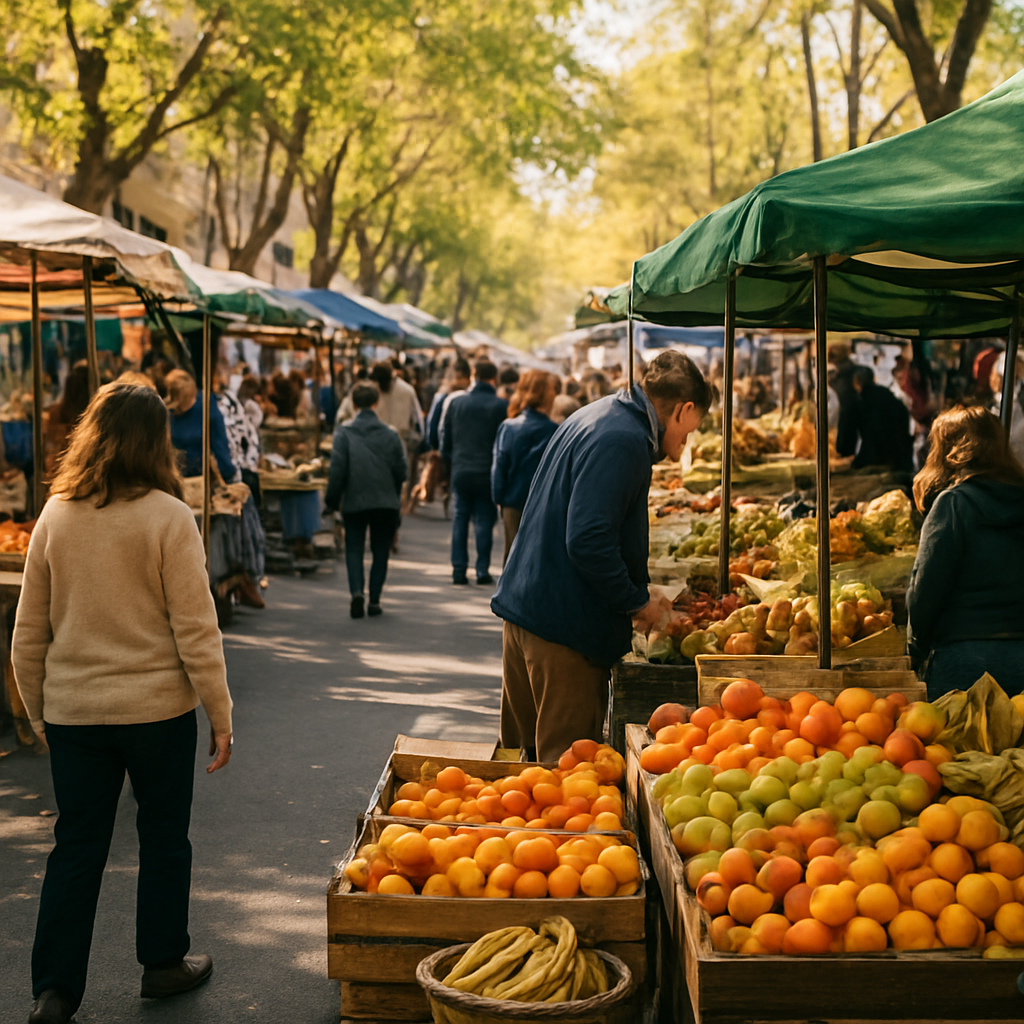
Feria de Tristán Narvaja on Sunday
Every Sunday morning, Cordón transforms when the Feria de Tristán Narvaja takes over multiple blocks — books, antiques, vinyl records, produce, vintage cameras, and things you didn't know you needed until someone's abuelo handed them to you for eight pesos. The outdoor market draws a wonderfully bohemian crowd, and the surrounding cafés along Calle Tristán Narvaja are ideal for a slow cortado and people-watching that puts Instagram to shame. Come hungover. Come curious. Wear comfortable shoes and bring cash.
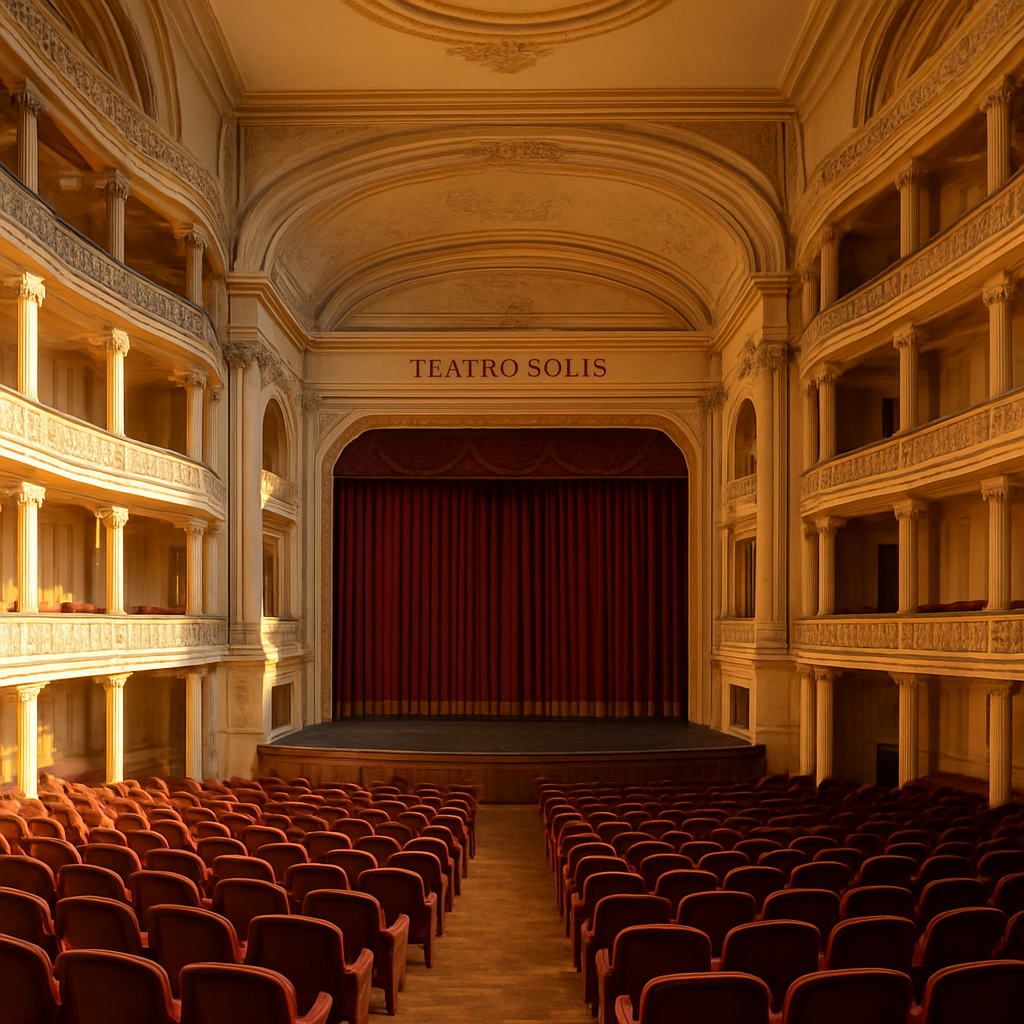
Teatro Solís at Night
Uruguay's national theater was inaugurated in 1856 — that's older than the Statue of Liberty — and the neoclassical interior, restored in a painstaking multi-year project completed in 2004, is worth the visit on architecture alone. But don't just take the guided tour (though you should — it's UYU 200–400 and genuinely fascinating). Check the performance calendar and catch something: opera, ballet, contemporary dance, or one of the LGBTQ+-themed cultural programs that show up especially around Pride season in September. The kind of elegant travel memory that costs almost nothing and impresses absolutely everyone back home.
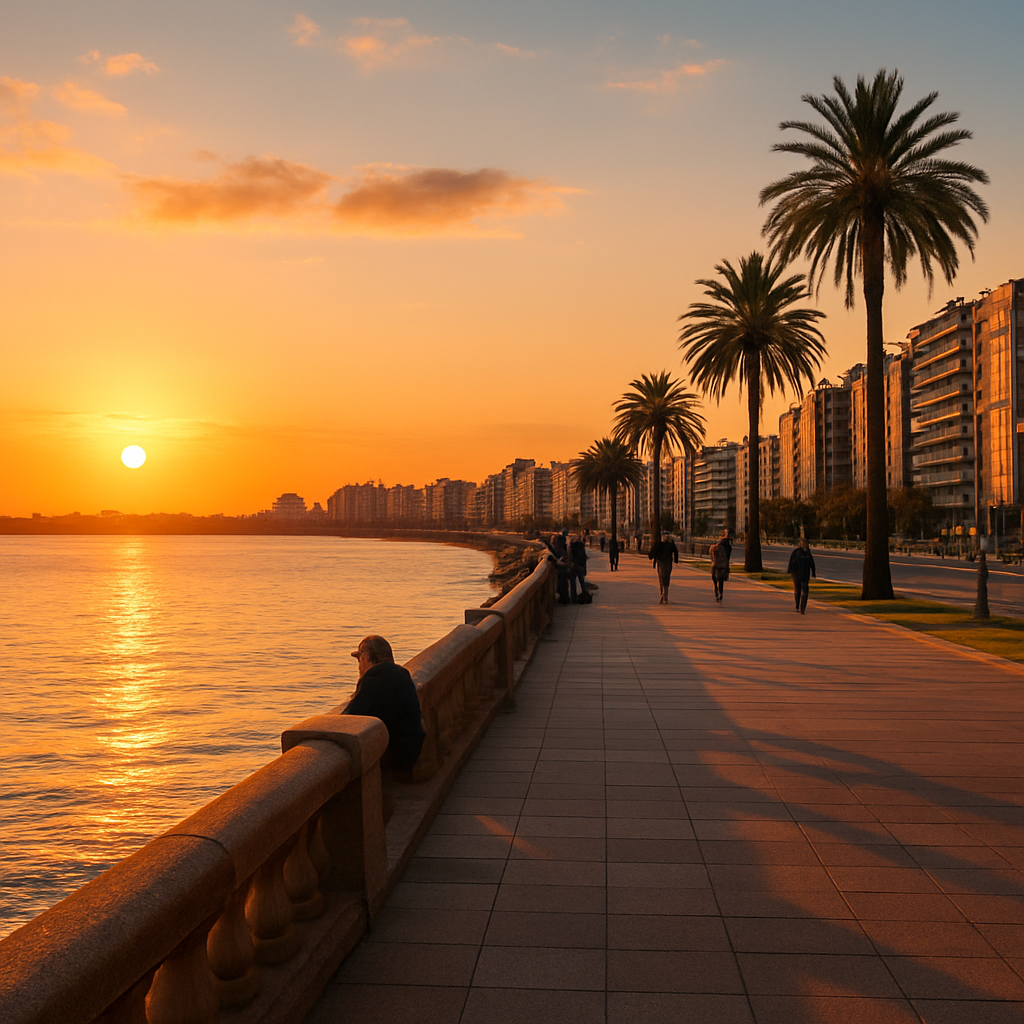
Walk La Rambla at Golden Hour
Twenty-two kilometers of continuous waterfront promenade along the Río de la Plata — one of the longest urban shoreline walks on the planet, and it's free. You don't have to do all of it (though some maniacs do). Pick up La Rambla in Pocitos around 5pm on a clear day and walk south toward Punta Carretas. The light off the water turns the entire city gold. Runners, cyclists, mate-sipping couples, dog walkers, fishermen — everyone uses this space. It's Montevideo's living room, and understanding the city without walking it is like reading the menu without eating.
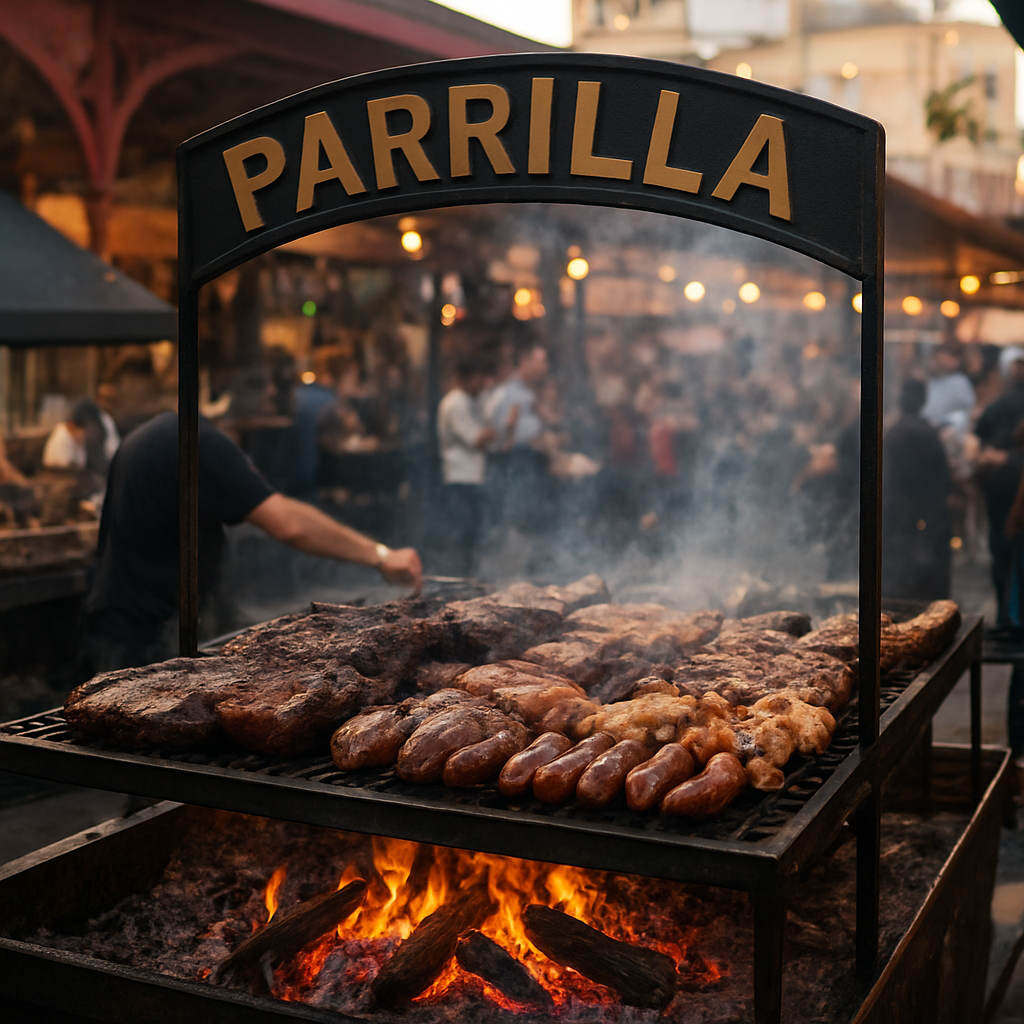
Mercado del Puerto at Noon
The iron market structure in Ciudad Vieja has been standing since 1868, and the multiple independent parrilla operators under its roof have been doing the same thing for decades: grilling enormous cuts of beef over wood and charcoal until the smoke becomes its own weather system. Walk in at noon, find a counter seat, and order whatever the grill master is pulling off the fire. The asado here is not refined. It's not plated beautifully. It's a slab of meat, a glass of tannat, and the sound of fat hitting coals. That's all it needs to be.
The places I actually send people to
Advice that fits how you travel
Montevideo is an exceptionally good solo city, and I don't say that about many places in South America. The scale is human — you can walk between Ciudad Vieja, Cordón, Palermo, and Pocitos in an afternoon without ever needing transport. The pace is slow enough that you don't feel like you're missing things by moving at your own speed. And the culture of mate — that communal thermos of bitter herbal tea that every Uruguayan carries — means that being offered a sip by a stranger in Parque Rodó is one of the most genuine gestures of inclusion you'll encounter anywhere. Accept it. That's how conversations start here.
App culture exists but isn't the frantic scene you'll find in Buenos Aires or São Paulo. Grindr works. The approach tends to be more conversational, less transactional — fitting for a city that doesn't rush. For meeting people IRL, the Palermo bar circuit around Calle Jackson on Thursday through Saturday nights is your best bet. Bars like Kaos Montevideo and Club de Toby are small enough that you'll end up talking to people whether you planned to or not. Espacio Guambia and Boedo Bar in Ciudad Vieja draw a slightly older, artier crowd if that's your register. Sunday afternoon in Parque Rodó is the unstructured social space — bring a book, sit on the grass, and let the city come to you.
Budget-wise, solo travel here is a steal. A budget day — hostel dorm, street food and market lunches, public bus, one museum — runs UYU 2,100–3,200. A moderate day with a decent hotel room, a proper dinner, and Uber comes in around UYU 6,500–9,500. Safety-wise: standard urban precautions apply. Ciudad Vieja and the port area have petty theft risk, especially in crowds — front pockets, closed bags. Don't walk between Palermo and Ciudad Vieja alone at 4am; take the ten-minute Uber. The city is not dangerous, but it's not a village either. Read the room, trust your instincts, and you'll be absolutely fine.
Montevideo is quietly one of the best couple destinations in South America, and I mean that without qualification. Same-sex marriage has been legal here since 2013, which means you're not navigating a destination that tolerates you — you're in a place that legislated for you over a decade ago. Hotel check-ins are completely unremarkable, restaurant tables for two are just tables for two, and walking hand-in-hand along La Rambla at sunset is the kind of effortless romantic experience that's rarer than it should be.
For a proper date night, start with dinner at Jacinto on Sarandí — a restored colonial building, seasonal Uruguayan producers, a serious South American wine list. Then walk the cobblestones of Ciudad Vieja toward Bar Facal for a cold chop in a bar that's been pouring since 1895. If you want to keep the night going, Chains Club in Pocitos is your move. The whole evening costs a fraction of what the same night runs in Buenos Aires. Budget your savings into a night at the Sofitel Carrasco — a restored Belle Époque casino that is genuinely one of the most romantic hotels in the Southern Hemisphere.
For daytime romance, rent bikes and ride the full length of La Rambla on a clear morning, stopping at whichever beach stretch calls to you. Parque Rodó on a Sunday afternoon — mate thermos, live music, easy crowds — is the kind of unhurried hour together that you'll reference for years. A day trip to Colonia del Sacramento via fast ferry is the obvious move for couples who want cobblestones, a UNESCO-listed Portuguese lighthouse, and a long lunch with nowhere to be.
Uruguay's legal framework is one of the most comprehensive in the world for LGBTQ+ families: same-sex adoption is fully legal, both parents have equal parental recognition, and the country's anti-discrimination protections are broad and enforced. You won't be navigating ambiguity at a hotel front desk or explaining your family structure to a museum ticket booth. Montevideanos, especially in the central neighborhoods, have seen this before and will not make it your problem.
The city is genuinely manageable with kids. La Rambla is a 22-kilometer traffic-free promenade — perfect for strollers, bikes, and the kind of aimless walking that keeps small humans from losing their minds. Teatro Solís runs family programming alongside its main season, and guided tours of the 1856 opera house are cheap and genuinely impressive for older kids. Parque Rodó has green space, an amusement park section, and a Sunday crowd that is reliably easygoing and mixed. The day trip to Colonia del Sacramento — one hour on the fast ferry — is perfect for families: the UNESCO historic quarter is entirely walkable, low-traffic, and filled with enough crumbling walls and old cannons to satisfy anyone under twelve.
Practically speaking: restaurant culture here skews late, which can be a challenge with younger children — aim for 7:30–8pm seatings rather than waiting for the local dinner hour of 9pm or later. Kid menus exist at most mid-range restaurants, and chivito sandwiches are universally loved by anyone with functioning taste buds regardless of age. For accommodation, the Radisson on Plaza Independencia puts you within walking distance of everything in the center, or consider a short-stay apartment in Pocitos if you want a kitchen and beach proximity.
What Montevideo actually costs
Flights, visas, and the first 30 minutes
Airport: Aeropuerto Internacional de Carrasco – Gral. Cesáreo L. Berisso (MVD) serves Montevideo, located approximately 20km east of the city center in the Carrasco neighborhood.
Direct routes: Buenos Aires (EZE/AEP) is 45 minutes to 1 hour — close enough that a same-day connection is completely reasonable. São Paulo (GRU) and Santiago (SCL) both come in around 2 hours 30 minutes. Lima (LIM) is 4 hours 30 minutes. From North America, Miami (MIA) runs about 8 hours 30 minutes direct. Transatlantic travelers from Madrid (MAD) are looking at 12 hours. The airport serves 30+ cities total with direct connections across South America and Europe.
Visas: US, UK, EU, Canadian, and Australian passport holders all enter visa-free for up to 90 days. No pre-arrival registration required. Uruguay is one of the least bureaucratic entry experiences in the region.
Airport to city: A remise (fixed-rate private car) from the arrivals exit runs UYU 1,200–1,800 and takes 35–50 minutes depending on traffic — the easiest and most reliable option, especially if you're arriving late. Uber operates at MVD (UYU 900–1,400, same journey time) and can be picked up from the designated area outside arrivals — get the app working before you land. Public bus (COT/Cutcsa) is technically available at UYU 45–100, but involves transfers and a 60–90 minute ride; skip it if you have more than a daypack. Pro tip: book a remise at the official desk inside arrivals rather than accepting approaches from unlicensed drivers outside the terminal.
Traven's seasonal breakdown
The questions everyone asks
Is Montevideo safe for LGBTQ+ travelers?
Do I need to speak Spanish?
How much should I budget per day?
When is Pride in Montevideo?
Is it safe to hold hands in public?
How do I get from Montevideo to Colonia del Sacramento?
What's the nightlife schedule?
Screenshot this before you go
So should you actually go?
Go. Montevideo won't overwhelm you with options the way Rio or Buenos Aires will, and that's precisely the point. What it offers instead — a country with full legal equality baked in, neighborhoods where queer life is integrated rather than isolated, astonishingly affordable nights out, and a cultural warmth that doesn't need a parade to prove itself — is something genuinely rare. The scene is intimate, the chivitos at 4am are non-negotiable, and the legal protections are as strong as anywhere on Earth. If you want a Latin American city that treats you like a person first and a tourist second, this is it.
Sources & Resources
Official links we reference when compiling this guide. Last verified 2026-03-06.
- Ovejas Negras – LGBTQ+ Advocacy Organization
- MYSU – Mujer y Salud en Uruguay
- Ministerio de Salud Pública Uruguay
- INMUJERES – Instituto Nacional de las Mujeres
- Instituto Nacional de Derechos Humanos – INDDHH
- UNFPA Uruguay
- ONUSIDA Uruguay (UNAIDS)
- Marcha de la Diversidad Uruguay
- Comisión Honoraria contra el Racismo, la Xenofobia y toda forma de Discriminación
- Uruguay LGBT – Portal de Información Comunitaria