Saigon doesn't wait for you to be ready — it just hands you a plastic stool and a cold bia hơi and expects you to keep up.
It's a Friday somewhere past midnight on Lý Tự Trọng and the bass from Lush Saigon is leaking out onto the sidewalk where a group of young Vietnamese guys are sharing a cigarette and debating whether to go upstairs or keep walking toward The Observatory under the bridge on Tôn Đức Thắng. A couple on a motorbike pulls up — two women, helmets off, laughing about something — and they disappear into the crowd without a single head turning. This is Saigon's queer frequency: not broadcast, not hidden, just threaded into the gorgeous, humid, motorbike-exhaust chaos of a city that runs on forward motion and doesn't stop to interrogate who you're holding hands with at 2am in District 1.
I gave this city a 8.2 on Scene, and it earned every decimal — not because there's a polished gay village with a flag-lined main drag, but because the queer life here is woven into the larger social fabric in a way that feels genuinely organic. The nhậu culture — communal drinking on low plastic stools at sidewalk stalls — is how local LGBT friend groups actually spend their evenings, and if you're willing to sit down, order a bia hơi, and make eye contact, you'll be pulled into a conversation faster than you will at any purpose-built bar. Karaoke phòng riêng — private-room karaoke — is the other engine of queer social life here, and it's where you'll meet the people who don't go to the tourist-facing clubs at all.
But I won't pretend this is Amsterdam. My Traven-Dex of 6.8 reflects a real gap between what Saigon offers inside its tolerance bubble and what the law actually guarantees, which is essentially nothing. Same-sex relationships aren't criminalized — Vietnam handled that in 1993 — but there's no marriage recognition, no adoption rights, no employment protections, as of 2026. Someone wrote in to tell me that what you'd do without hesitation in District 1 on a Saturday night would raise genuine eyebrows in Hanoi and cause real problems in smaller provincial cities. The contrast is that stark. Saigon is doing the heavy lifting for the entire country, and it's doing it with charm and sweat and very little legal scaffolding.
What keeps me coming back is the energy — not manufactured nightlife energy but the actual pulse of a city that eats at 10pm, drinks coffee at midnight, and treats 1am as the soft opening of the evening. The food is devastating. A bowl of phở at a street stall costs less than a dollar and will make you question every decision you've ever made at a Vietnamese restaurant back home. The people are warm in a way that sneaks up on you. And the scene, while it shifts faster than any English-language travel site can track, rewards the traveler who shows up with curiosity instead of a checklist. Just don't mistake the warmth for legal protection, and you'll be fine.
The stuff your travel guide buries on page 47
Legal framework: Same-sex sexual activity has been legal in Vietnam since 1993 — there is no criminalization. That's the good news. The rest of the legal picture is bare. Same-sex marriage is not recognized. Civil unions don't exist. Same-sex adoption has no legal pathway. There are zero anti-discrimination protections based on sexual orientation or gender identity in employment, housing, or public services. Vietnam's 2015 Civil Code (Article 37) permits legal gender recognition, but only following gender-affirming surgery, and the bureaucratic process for updating identification documents is inconsistently applied. In plain terms: the law doesn't come after you, but it won't protect you either.
The cultural reality in Saigon is meaningfully ahead of the legal reality. The city's đồng tính (homosexual) community is visible, organized, and growing in confidence — VietPride has run annually since 2012, ICS Vietnam operates year-round community health and support services, and the government's tone has softened considerably over the past decade. But tolerance is not acceptance, and Saigon is not Vietnam. What's unremarkable here draws stares in Hanoi and can create real problems in provincial cities — know that before you build an overland itinerary.
PDA comfort: Genuinely situation-dependent. The LGBTQ+-frequented bars along the Lý Tự Trọng corridor in District 1 — same-sex PDA is normative and nobody blinks. The entertainment strips of Bùi Viện, Đồng Khởi, and Lê Lợi — holding hands is generally unremarked upon; kissing draws more attention than you probably want. The Phạm Ngũ Lão backpacker district is similarly moderate. Traditional markets like Bến Thành and Bình Tây, outer residential districts, and religious sites (pagodas, temples, the Notre-Dame Cathedral area) — discretion is strongly advised. Conservative social norms prevail in those spaces, and public same-sex displays may draw stares or negative commentary.
US State Department, UK FCDO, and Australian DFAT issue no specific LGBTQ+-targeted travel warnings for Vietnam. All three note that same-sex relations are not criminalized but legal protections are absent. One firm note: avoid public political activity or demonstrations related to LGBTQ+ rights. Vietnam's public order laws are enforced, and police attention is not something you want to invite. For current on-the-ground resources, ICS Vietnam is the organization to know — they offer counseling, HIV testing, and community programs, and their staff can point you to venues and events that English-language travel sites are perpetually six months behind on.
What it actually feels like on the ground
Holding hands: In District 1's entertainment zones — Bùi Viện, Đồng Khởi, the Nguyen Hue pedestrian boulevard at night — you'll get minimal to zero reaction. Same-sex hand-holding among Vietnamese friends (regardless of orientation) is culturally common enough that it doesn't read as a statement. In traditional markets, outer districts, and Chợ Lớn on a Sunday afternoon, expect sustained stares and potentially negative commentary. The city is tolerant in certain zones, not uniformly accepting.
Hotel check-in: International hotels and mid-range properties in Districts 1 and 3 handle same-sex couples checking into double rooms without issue — you're paying customers and staff are accustomed to it. Budget guesthouses in less touristed areas may occasionally fumble or ask questions, though outright refusal is rare. Trans travelers whose documents don't match their presentation may face confusion or delays at check-in; carrying a printout of your booking confirmation helps move things along.
Taxis and ride-hailing: Grab is your non-negotiable default, especially after dark. The app price is fixed, the driver is tracked, and you avoid every negotiation and scam that comes with flagging down a random taxi at 3am. If you must use a metered cab, only Vinasun (white) or Mai Linh (green). Pro tip: get a Vietnamese SIM at the airport, download Grab before you leave your accommodation for the night, and share your location with someone who knows your plans. Motorbike taxis from strangers around Bùi Viện at 3am are a known scam and safety risk for solo travelers.
Beaches and public spaces: Saigon isn't a beach city — the nearest beaches are a 2-hour drive to Vung Tau or further. Public parks and gathering spaces in District 1 are generally fine for same-sex couples being casually affectionate. The more residential and traditional the area, the more you should calibrate.
Late night: The queer scene peaks between 1 and 3am. The streets around Bùi Viện and the District 1 bar cluster stay populated and well-lit deep into the night. Petty theft (phone snatching, especially from motorbike riders) is the primary late-night risk for all travelers, not identity-targeted violence. Keep your phone in a zipped pocket or bag, not in your hand while walking.
Trans travelers: Vietnam's legal gender recognition requires surgery, and document update procedures are inconsistent. Trans travelers in HCMC's tourist and expat districts report the environment as generally navigable. Interactions requiring document presentation — hotel check-in, police encounters, medical situations — are the friction points. Conservative areas present a meaningfully different experience. Carry clear documentation and be prepared for bureaucratic confusion rather than hostility in most cases.
Police and enforcement: Police presence in Saigon's nightlife areas is regular but not typically targeting queer venues. Enforcement actions on bars and clubs are more commonly about drugs or noise violations than anything identity-related. That said, local LGBT Vietnamese who can't retreat to a tourist bubble face a meaningfully different risk calculus than a foreign visitor does — your passport and tourist status provide a layer of social insulation that locals don't have.
Verbal harassment: Rare in tourist zones. The older Vietnamese term bê đê for gay men can still sting depending on context, though younger urban LGBT people have partially reclaimed it with ironic affection. In outer districts you may encounter curiosity that tips into rudeness. Outright aggressive verbal harassment targeting foreign LGBTQ+ travelers is uncommon in HCMC.
The queer geography
District 1 — The LGBTQ+ Corridor
Saigon's queer life concentrates in Quận 1, but it doesn't announce itself with a sign. The gay area is anchored around Cao Bá Quát Street and the blocks radiating off Tôn Thất Thiệp, stretching along the Lý Tự Trọng corridor where Lush Saigon holds down the most explicitly queer-welcoming space in the city. This is where same-sex PDA is normative, where the crowd is predominantly LGBTQ+ and allies, and where you'll find the DJ nights and the energy that peaks between 1 and 3am. It's not labeled, not mapped, and shifts every season as venues open and close faster than any guide can track — a quick check of ICS Vietnam's Facebook page will tell you what's actually current in a way that TripAdvisor reviews from 2022 absolutely will not.
The broader District 1 nightlife ecosystem — Bùi Viện Walking Street, the Phạm Ngũ Lão backpacker district, Apocalypse Now on Thi Sach Street, and The Observatory tucked under a bridge on Tôn Đức Thắng — is mixed rather than exclusively queer, but the density of international travelers and expats creates a tolerance baseline that most visitors find comfortable. Republic Club Saigon, Gossip Bar, Zoom Bar, and Cargo Bar are all in the District 1 orbit and draw LGBTQ+ clientele to varying degrees. Venues turn over; the geography stays the same.
District 3 — The Local Queer Scene
For a mellower, far more local vibe, take a Grab to the Lê Văn Sỹ corridor in District 3. The cafés here are full of young LGBT Vietnamese couples doing exactly what young couples do: drinking excellent cà phê sữa đá and existing peacefully, with none of the international tourist theater that can make Bùi Viện feel like a theme park. This is where the local queer community hangs out during the day and early evening — independent cafés, cocktail bars, and boutiques frequented by residents, not visitors. You'll also find the War Remnants Museum and Hotel des Arts nearby, making it a natural daytime base.
Private-Room Karaoke — The Social Infrastructure
Karaoke phòng riêng scattered across Districts 1, 3, and Bình Thạnh is a genuine entry point into queer social life for local Vietnamese. Groups book rooms for 100,000–200,000 VND per hour — affordable and private in a way that open bars aren't. It sounds like a cliché until you're three hours deep into Vietnamese pop songs and your face hurts from laughing. This is how a significant part of the local LGBTQ+ community actually socializes, especially people who can't always afford bar prices in the tourist zones.
Bình Thạnh and Phú Nhuận
These adjacent districts are residential and increasingly gentrifying, with a smattering of queer-friendly cafés and local nhậu spots where the plastic stools hit the sidewalk every evening. You won't find dedicated LGBTQ+ venues, but you will find the kind of low-key neighborhood life where people are simply living — and the bia hơi (fresh draft beer) at sidewalk stalls costs next to nothing. Worth exploring if you've already done the District 1 circuit and want to see how the city actually lives.
The experiences worth rearranging your itinerary for
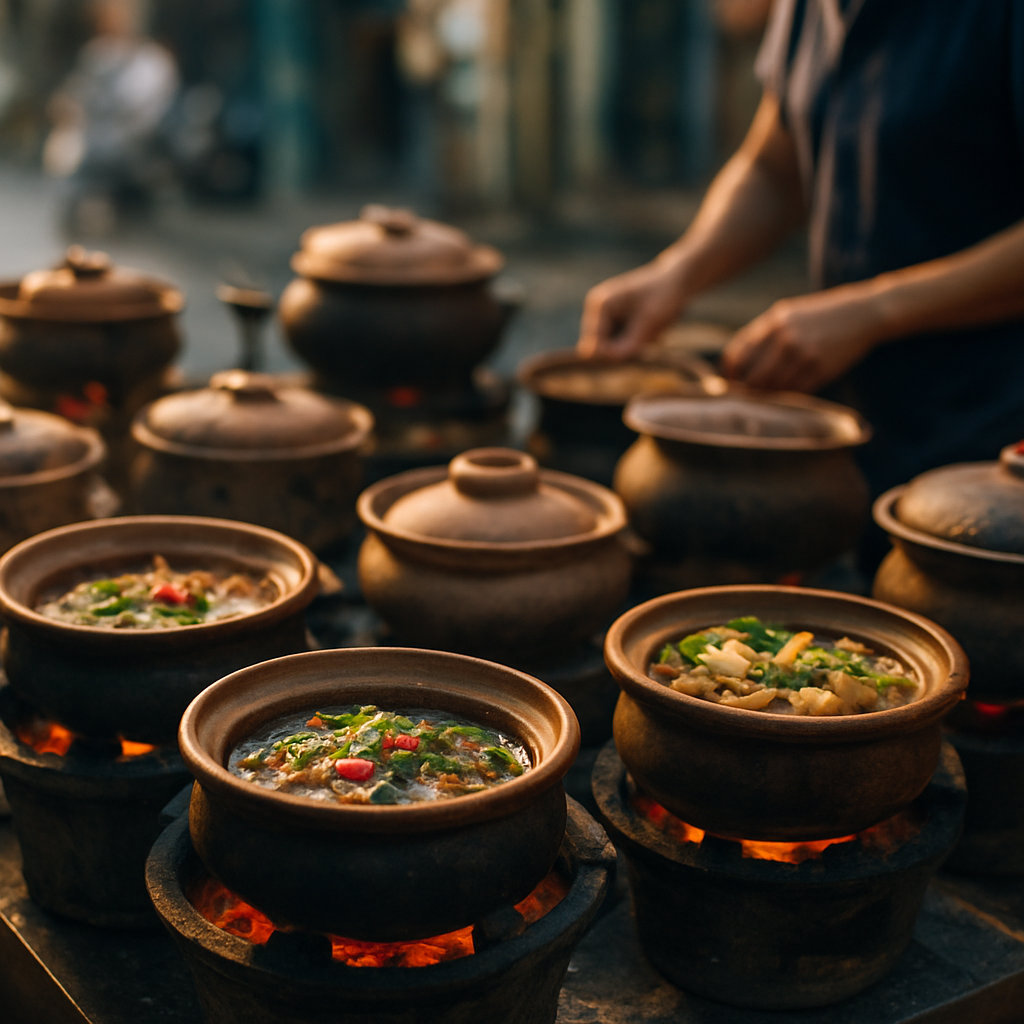
Cục Gạch Quán — Vietnamese Home Cooking in a Century-Old Villa
At 10 Đặng Tất Street, architect Trần Bình turned a crumbling villa into one of the most written-about restaurants in Southeast Asia using nothing but reclaimed wood, salvaged tiles, and traditional recipes that taste like someone's grandmother decided to open a restaurant and then actually followed through. The cá kho tộ (caramelized clay-pot fish) and the rau muống xào tỏi (garlic morning glory) are the dishes that will rearrange your understanding of what Vietnamese cooking can be when nobody's adjusting it for tourists. Book dinner. Don't skip this.

War Remnants Museum
This is not a comfortable museum, and it's not supposed to be. The photographs documenting the American War — Agent Orange's generational aftermath, the evidence from My Lai — are among the most powerful things you'll see in any museum anywhere. It sits at 28 Vo Van Tan Street in District 3, costs 40,000 VND to enter, and draws over half a million visitors a year. Give it at least two hours. Leave time to sit in the courtyard afterward and process what you've seen. The military hardware on the grounds — Hueys, an F-5, a UH-1 — is its own kind of quiet.
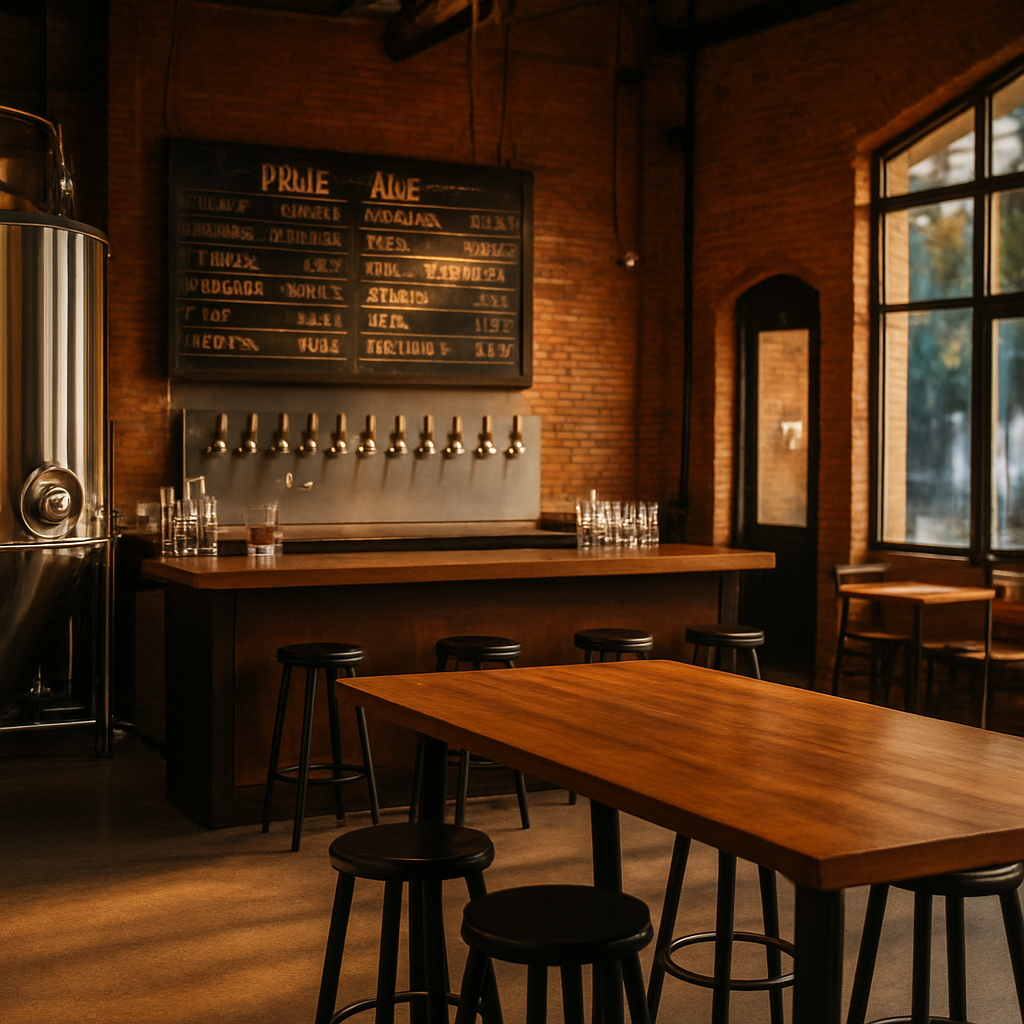
Pasteur Street Brewing Company
Pasteur Street Brewing isn't a gay bar, but it's one of those spaces where the craft beer crowd and the queer crowd overlap heavily — especially the Đồng Khởi Street location, which is prime territory for an early evening before the nightlife circuit gets going. The jasmine IPA is not a mistake; it's a decision you'll want to make more than once. Vietnamese craft beer has come a long way, and this is the place that proved it first. Grab a seat, order a tasting flight, and watch District 1 slide into its evening gear through the windows.
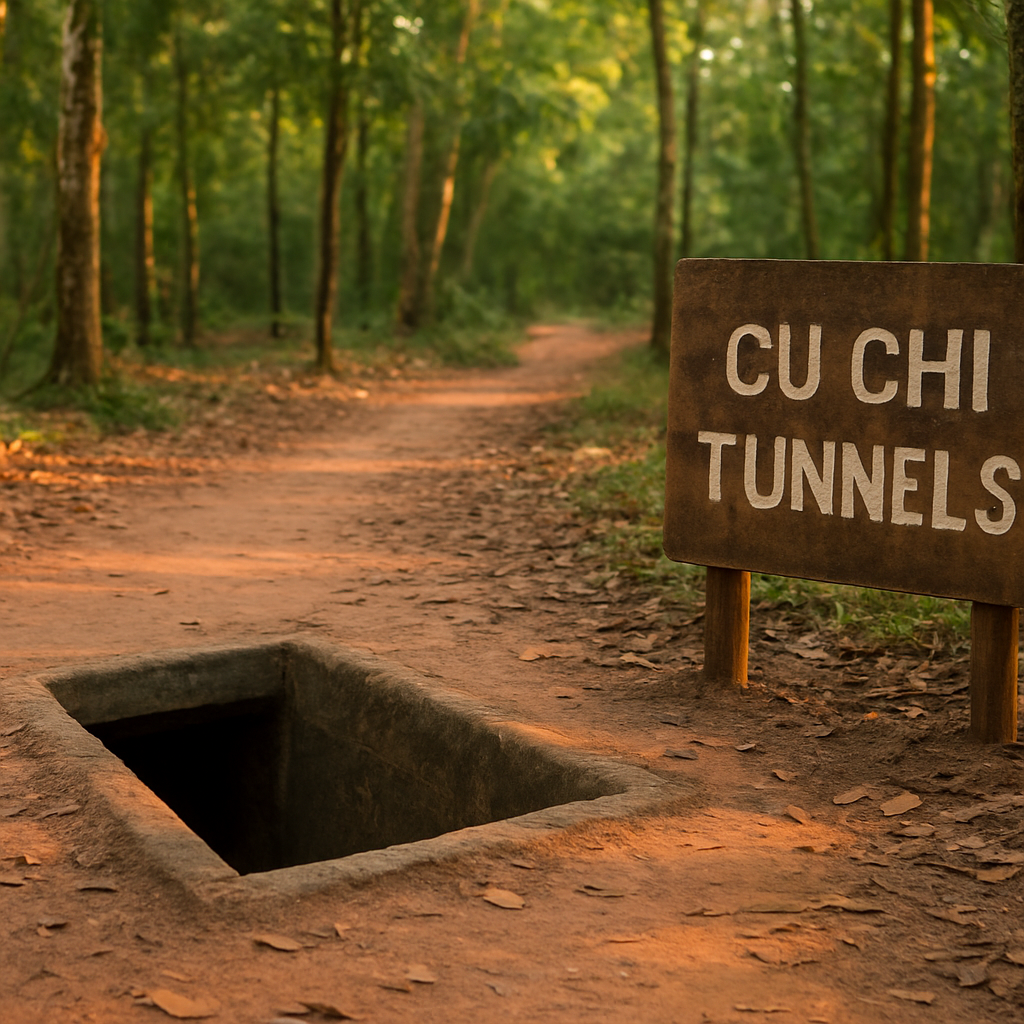
Củ Chi Tunnels Half-Day Trip
Seventy kilometers northwest of the city, over 250km of underground tunnels built and used by resistance forces during the American War are open for visitors to crawl through — and I mean crawl. The Bến Đình section has been widened for tourists, but it's still claustrophobic enough to make the history physical in a way no photograph or documentary can. The half-day tours from District 1 handle logistics cleanly and start at 250,000 VND. This is the one experience outside central Saigon that genuinely changes the lens through which you see everything else in the city.
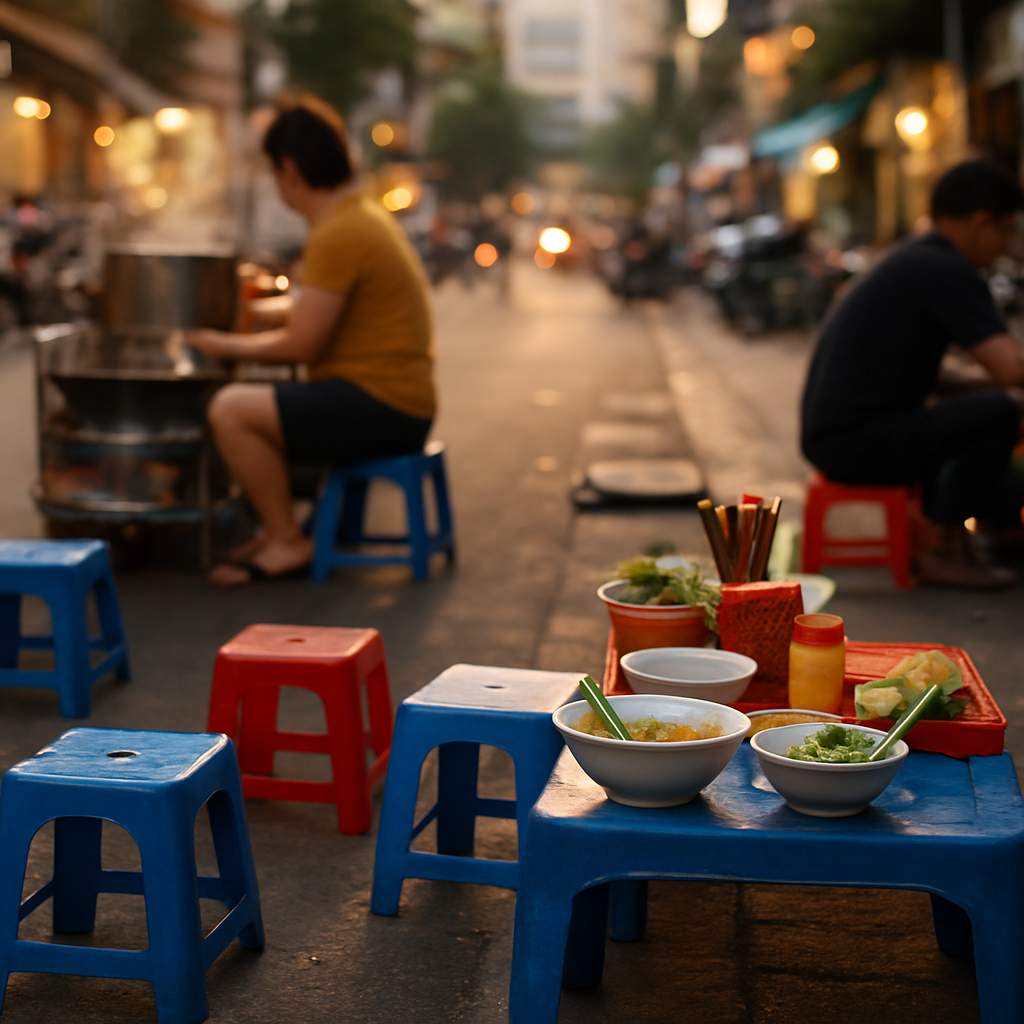
Nhậu Culture — Sidewalk Eating and Drinking
Forget the restaurants for one evening and do what Saigon actually does: pull up a low plastic stool at a sidewalk nhậu stall, order a round of bia hơi (fresh draft beer that costs less than a dollar), point at whatever's cooking on the grill, and eat communally with whoever sits down next to you. This is the social glue of the city — LGBT friend groups do this nightly across Districts 1 and 3 — and joining in is how you actually meet local people. The food is better than you'd expect from a stall with no sign, and the bill will make you wonder if there's been a mistake.
The places I actually send people to
Advice that fits how you travel
Saigon is an excellent solo city, and the economics make it even better — a budget solo traveler can do a full day including a hostel dorm bed, three meals of street food, transport, and a museum entry for roughly 650,000 VND (about $26 USD). That math means you can extend your trip, eat and drink better, or simply stop worrying about the tab. The Phạm Ngũ Lão backpacker district is full of other solo travelers, and the hostel-to-bar-to-street-food pipeline means meeting people is structurally easy. The general culture of nhậu — communal eating and drinking on sidewalk plastic stools — is inherently social and doesn't require an invitation.
For the queer solo traveler, the app landscape works. Grindr, Blued, and Hornet all have active user bases in HCMC, and the pace from app to meeting is fast in a city where people are direct about what they want. Safety basics: always meet in public first, share your location with someone, and use Grab — not a stranger's motorbike — to get home. The District 1 bar cluster is walkable and well-populated late into the night, which reduces the isolation risk that solo nightlife can carry in less dense cities.
Best neighborhoods for solo travelers: the Bùi Viện and Phạm Ngũ Lão zone gives you the highest concentration of other travelers and the most forgiving social environment. For something quieter and more local, base yourself near the Lê Văn Sỹ corridor in District 3 — the cafés are excellent, the pace is slower, and you'll be surrounded by young Vietnamese rather than the backpacker circuit. A Vietnamese SIM card from the airport (under 200,000 VND) and the Grab app are your two essential tools — set both up before you leave your accommodation on night one.
Saigon is a genuinely good couple's destination, and the math works in your favor from the start: the city is cheap enough that you can eat and drink well without watching every dong, and food quality means that a dinner at Cục Gạch Quán on Đặng Tất Street — candlelit inside a century-old villa with reclaimed wood tables and proper Vietnamese home cooking — is a legitimately romantic evening that costs less than a mediocre meal at most Western bistros. Same-sex couples in District 1's restaurant and bar scene are effectively unremarked upon. You're paying customers in a city that likes tourist money, and staff at internationally frequented venues have seen everything.
PDA is the thing to calibrate. Holding hands while wandering Bùi Viện Walking Street or along the Nguyen Hue pedestrian boulevard at night? Generally fine. Public kissing will draw looks, and I'd read the room before leaning in — not because there's legal risk, but because unwanted attention has a way of flattening the mood fast. Stay anchored in District 1 and you'll spend most of your trip barely thinking about it. The Lý Tự Trọng corridor, anchored by venues like Lush Saigon, is where same-sex PDA is genuinely normative — staff and regulars alike won't blink.
For accommodation, The Reverie Saigon on Nguyen Hue is the splurge option — 24 floors of genuinely impressive hotel with direct access to the pedestrian boulevard and staff who have handled guests from every walk of life. If you want more character at a more bearable price, Hotel des Arts Saigon in District 3 delivers: rooftop pool, curated Vietnamese art throughout, and a vibe that feels less corporate. For the memorable evening, time the Chill Sky Bar at sunset — the city lights coming on over District 1 while you're 26 floors up is the kind of thing couples actually come back to talk about.
Vietnam doesn't legally recognize same-sex couples or afford any formal recognition to same-sex family structures — your family configuration won't appear on any official document the country acknowledges. Plan accordingly: travel insurance, emergency medical authorization, and any situation requiring proof of parental relationship need to be addressed before you fly. In practice, HCMC's hotels and restaurants operate on the basis of who's checking in and who's paying, not who's legally related to whom. You're unlikely to face questions about your family at any property accustomed to international guests.
The city has solid options for kids old enough to engage with history and culture. The War Remnants Museum on Vo Van Tan Street is essential but better suited to teenagers — the photographic content documenting the American War is graphic and important, not appropriate for young children. The Củ Chi Tunnels day trip, roughly 70km northwest of the city, is more universally engaging: crawling through actual tunnel sections resonates with kids in a way that reading about it never will. Ben Thành Market is organized chaos in a good way — sensory-rich and manageable for older kids, potentially overwhelming with a stroller and toddlers in tow. Budget some time for a Vietnamese cooking class in District 1; they're structured, interactive, and the food research involved is entirely child-appropriate.
Logistics: Grab cars over GrabBikes for any family movement. Most good restaurants in Districts 1 and 3 have high chairs on request or will improvise one without being asked. Vietnamese food is genuinely family-friendly — rice dishes, pho, and fresh spring rolls are crowd-pleasers across almost every age group, and heat levels are adjustable if you ask. The sidewalk culture of nhậu — low plastic stools, communal food, general neighborhood noise — is actually excellent for kids who like to watch the world happen around them. Saigon at street level is never boring.
What Ho Chi Minh City actually costs
Flights, visas, and the first 30 minutes
Airport: Tan Son Nhat International Airport (SGN) sits approximately 8km from central District 1. It's a functional airport — not the most pleasant in Southeast Asia, but manageable. Budget 45–90 minutes to clear immigration during peak arrival periods, particularly on busy routes from Northeast Asia.
Major routes: Bangkok is 1h 40m away (BKK or DMK), Singapore 2h 10m (SIN), Hong Kong 2h 50m (HKG), Seoul 4h 30m (ICN), Tokyo 5h 30m (NRT), Dubai 8h (DXB), Sydney 9h 10m (SYD), and Paris 11h 40m (CDG). Saigon is one of the better-connected cities in Southeast Asia — 65+ cities have direct service, and the regional connections in particular are fast and frequent.
Visas: US, UK, EU, Canadian, and Australian passport holders all receive 45-day visa-free entry under Vietnam's expanded 2023 policy. If you need more than 45 days or want multiple-entry flexibility, the e-visa (90 days, single or multiple entry) is available online at evisa.xuatnhapcanh.gov.vn — apply before you land, not in the arrivals queue.
Airport to city: Grab is the right call. Set your destination in the app, pay a fixed price, no negotiation required. Expect 80,000–150,000 VND and 20–45 minutes depending on Saigon traffic, which at peak hours is genuinely something to factor in. If you prefer a metered cab, use Vinasun (white) or Mai Linh (green) only — ignore anyone who approaches you unsolicited in the arrivals hall. Public Bus Line 152 covers the route to the Ben Thành Market area for 6,000 VND if you're traveling light and not in a hurry.
Traven's seasonal breakdown
The questions everyone asks
Is it safe to hold hands in Saigon?
Do I need to speak Vietnamese?
How much should I budget per day?
Should I call it Ho Chi Minh City or Saigon?
What's the queer nightlife scene like?
Is Grab safe to use late at night?
Do I need a visa?
Screenshot this before you go
So should you actually go?
Saigon is a genuinely rewarding destination for queer travelers who understand the deal: the city's tolerance is real but informal, the nightlife is electric but unmapped, and the legal framework offers you exactly zero backup. If you can hold that tension — and most experienced travelers can — you'll find a city with one of Southeast Asia's most alive queer scenes, extraordinary food, warm people, and a cost of living that makes the whole thing almost absurdly accessible. Come with your eyes open, your Grab app downloaded, and your expectations calibrated to a place that's progressing fast but hasn't arrived yet. I think it's worth it. Many of you will too.
Sources & Resources
Official links we reference when compiling this guide. Last verified 2026-03-06.
- ICS Vietnam – Information, Counseling and Support for LGBT People
- ISEE – Institute for Studies of Society, Economy and Environment (Vietnam LGBT Research & Advocacy)
- CCIHP – Center for Creative Initiatives in Health and Population
- VietPride – Vietnam LGBT Pride Movement
- UNAIDS Vietnam Country Profile
- Human Rights Watch – Vietnam LGBT Rights Coverage
- ILGA World – Vietnam Sexual Orientation Laws Overview
- OutRight Action International – Asia Pacific
- U.S. Consulate General Ho Chi Minh City
- Hành Trình Xanh (Green Journey) LGBT Community Network